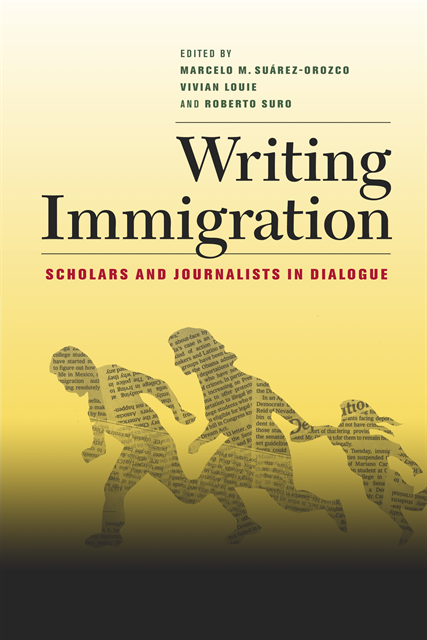
Bringing nuance, complexity, and clarity to a subject often seen in black and white, "Writing Immigration" presents a unique interplay of leading scholars and journalists working on the contentious topic of immigration. In a series of powerful essays, the contributors reflect on how they struggle to write about one of the defining issues of our time - one that is at once local and global, familiar and uncanny, concrete and abstract. Highlighting and framing central questions surrounding immigration, their essays explore topics including illegal immigration, state and federal mechanisms for immigration regulation, enduring myths and fallacies regarding immigration, immigration and the economy, immigration and education, the adaptations of the second generation, and more. Together, these writings give a clear sense of the ways in which scholars and journalists enter, shape, and sometimes transform this essential yet unfinished national conversation.

Since 2020, an unprecedented number of Asian American candidates have run for local office in New York City, from community education councils and city council to the state legislature. Moving It Forward provides a key lens into how these Asian American electoral and civic firsts came to be, through the voices and stories of vital actors who transformed the city’s political landscape. Vivian S. Louie charts the emergence of new local organizations and mobilization around issues such as citywide education, the inclusion of Asian Pacific American curriculum across states, food insecurity, neighborhood safety, and violence and aggression against Asian Americans. These actors were far from a monolith—and in some cases even endorsed policy positions opposing established Democratic and progressive stances. Yet they shared a common understanding that Asian Americans need to be fully heard and seen, and their journeys continue to reverberate through the continued rise of Asian American civic activism across the United States.
Bringing nuance, complexity, and clarity to a subject often seen in black and white, Writing Immigration presents a unique interplay of leading scholars and journalists working on the contentious topic of immigration. In a series of powerful essays, the contributors reflect on how they struggle to write about one of the defining issues of our time—one that is at once local and global, familiar and uncanny, concrete and abstract. Highlighting and framing central questions surrounding immigration, their essays explore topics including illegal immigration, state and federal mechanisms for immigration regulation, enduring myths and fallacies regarding immigration, immigration and the economy, immigration and education, the adaptations of the second generation, and more. Together, these writings give a clear sense of the ways in which scholars and journalists enter, shape, and sometimes transform this essential yet unfinished national conversation.

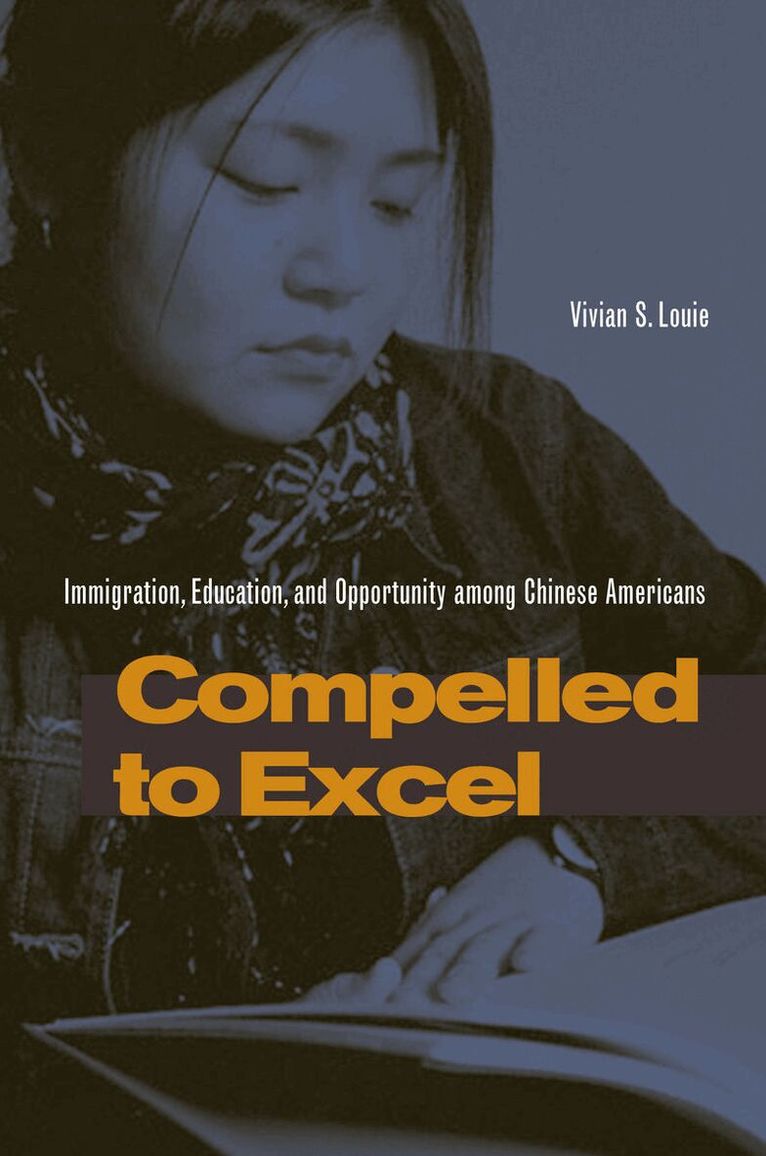
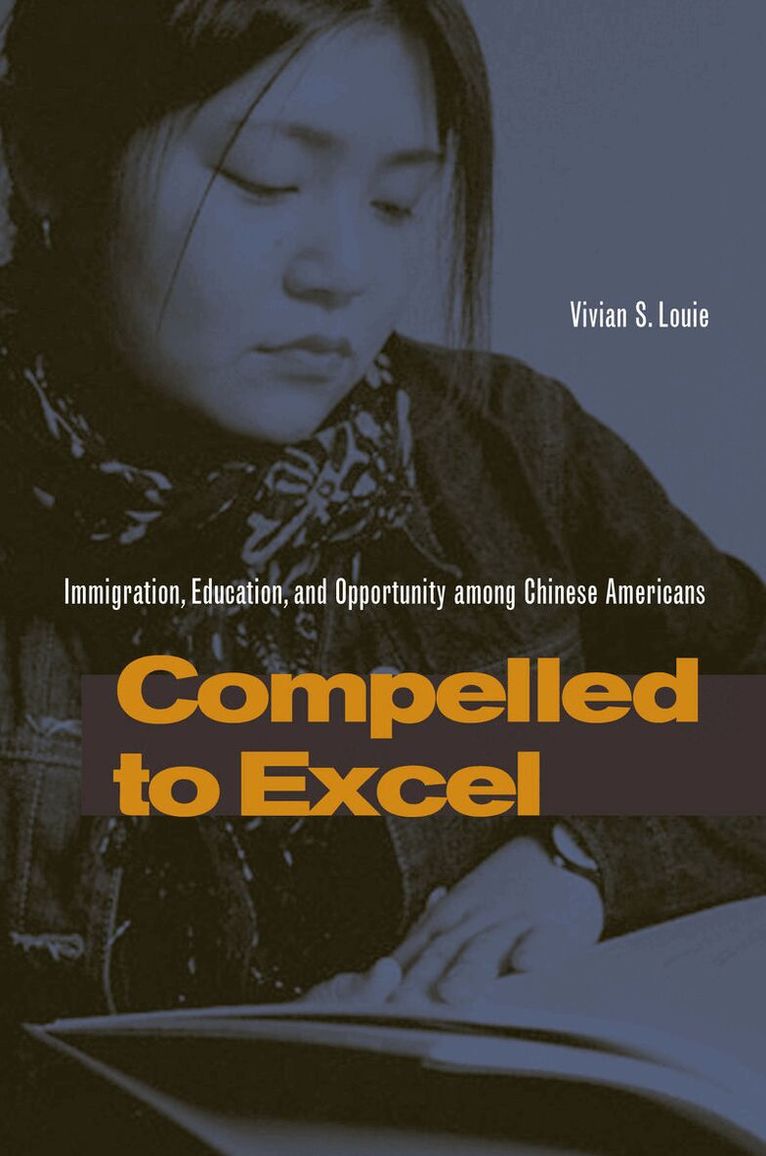
In the contemporary American imagination, Asian Americans are considered the quintessential immigrant success story, a powerful example of how the culture of immigrant families—rather than their race or class—matters in education and upward mobility. Drawing on extensive interviews with second-generation Chinese Americans attending Hunter College, a public commuter institution, and Columbia University, an elite Ivy League school, Vivian Louie challenges the idea that race and class do not matter. Though most Chinese immigrant families see higher education as a necessary safeguard against potential racial discrimination, Louie finds that class differences do indeed shape the students' different paths to college. How do second-generation Chinese Americans view their college plans? And how do they see their incorporation into American life? In addressing these questions, Louie finds that the views and experiences of Chinese Americans have much to do with the opportunities, challenges, and contradictions that all immigrants and their children confront in the United States.