601 kr
Skickas inom 5-8 vardagar
601 kr
Skickas inom 5-8 vardagar
973 kr
Skickas inom 7-10 vardagar
301 kr
Skickas inom 7-10 vardagar
831 kr
Läs direkt efter köp
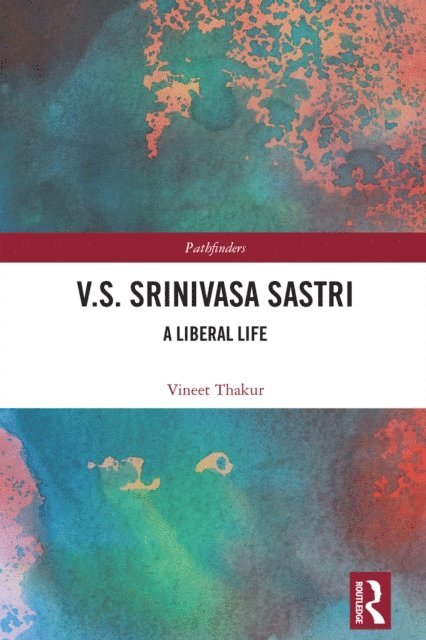
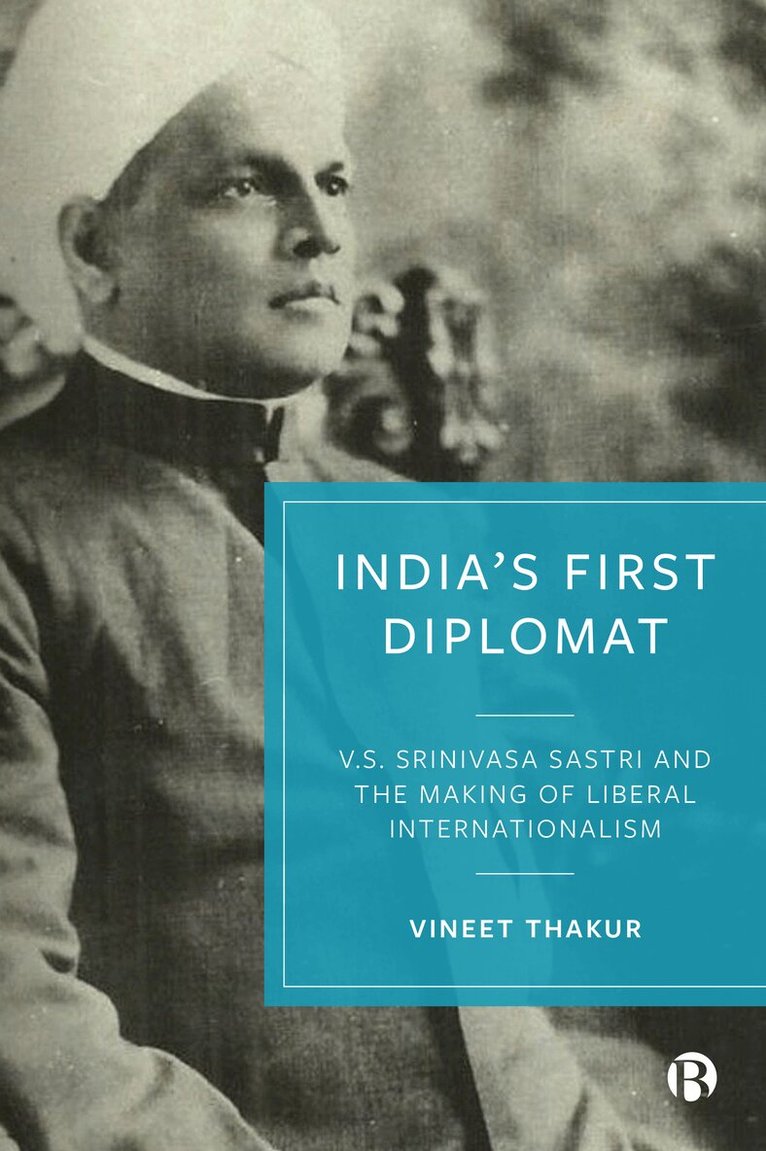
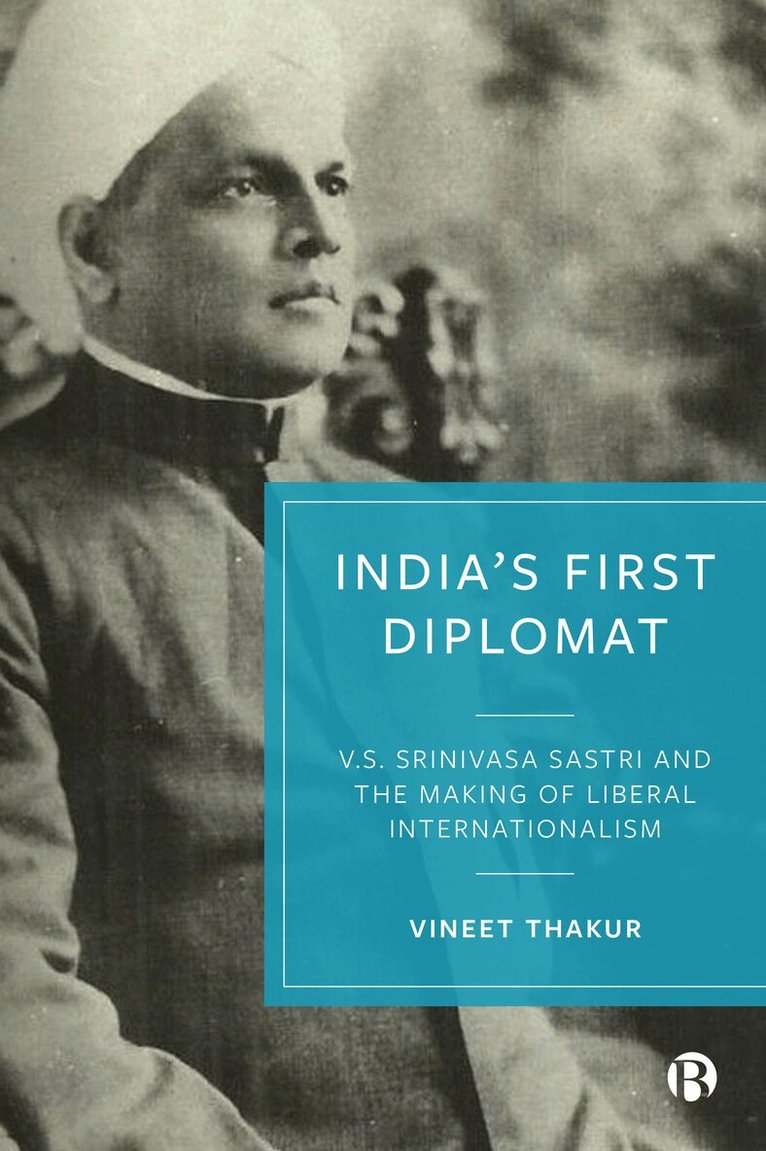
This book explores the Indian tradition of liberalism through a critical intellectual biography of Valangaiman Sankaranarayana Srinivasa Sastri (1869–1946). A notable politician, diplomat and educationist in colonial India, Sastri was a founding member of the National Liberal Federation and was one of the leading liberals — often dismissed as ‘a body of sycophants and self-seekers’ — of the post-1918 period of Indian pre-independence history. Through Sastri, the book shines a light on the contributions of liberals in Indian political history and challenges the convenient binaries in Indian historiography.
Examining the role that liberals like Sastri played in bridging the gap between the officials and the nationalists, it traces the practice of liberal politics in the post-1918 period of Indian nationalist struggle and the broader contours of Indian liberalism. Accessible, comprehensive and scholarly, this book will be of great interest to scholars and researchers of Indian history, especially the nationalist movement, political thought, and South Asian studies.
876 kr
Läs direkt efter köp
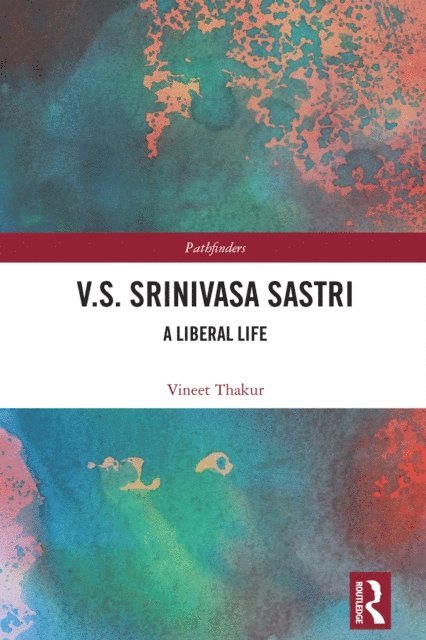
This book explores the Indian tradition of liberalism through a critical intellectual biography of Valangaiman Sankaranarayana Srinivasa Sastri (1869–1946). A notable politician, diplomat and educationist in colonial India, Sastri was a founding member of the National Liberal Federation and was one of the leading liberals — often dismissed as ‘a body of sycophants and self-seekers’ — of the post-1918 period of Indian pre-independence history. Through Sastri, the book shines a light on the contributions of liberals in Indian political history and challenges the convenient binaries in Indian historiography.
Examining the role that liberals like Sastri played in bridging the gap between the officials and the nationalists, it traces the practice of liberal politics in the post-1918 period of Indian nationalist struggle and the broader contours of Indian liberalism. Accessible, comprehensive and scholarly, this book will be of great interest to scholars and researchers of Indian history, especially the nationalist movement, political thought, and South Asian studies.
2 682 kr
Skickas inom 10-15 vardagar
754 kr
Skickas inom 10-15 vardagar
1 352 kr
Skickas inom 7-10 vardagar
265 kr
Skickas
1 239 kr
Skickas inom 7-10 vardagar
1 563 kr
Skickas inom 10-15 vardagar
573 kr
Skickas inom 10-15 vardagar
315 kr
Läs direkt efter köp
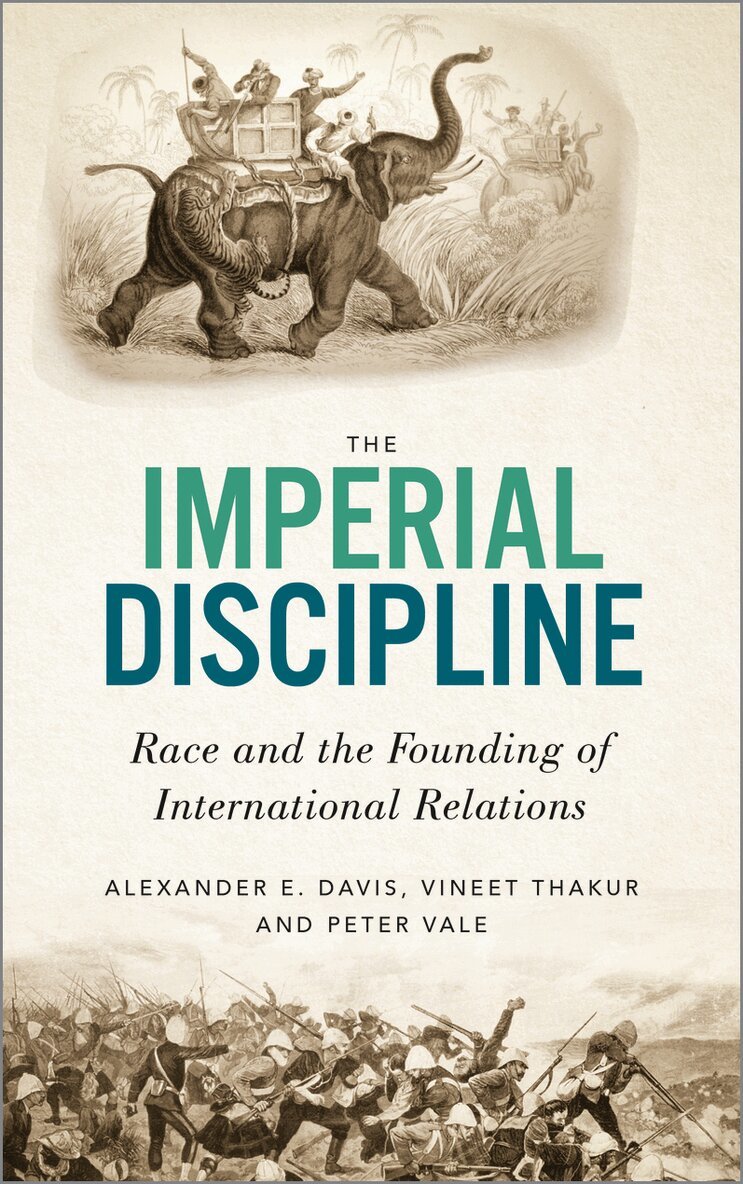
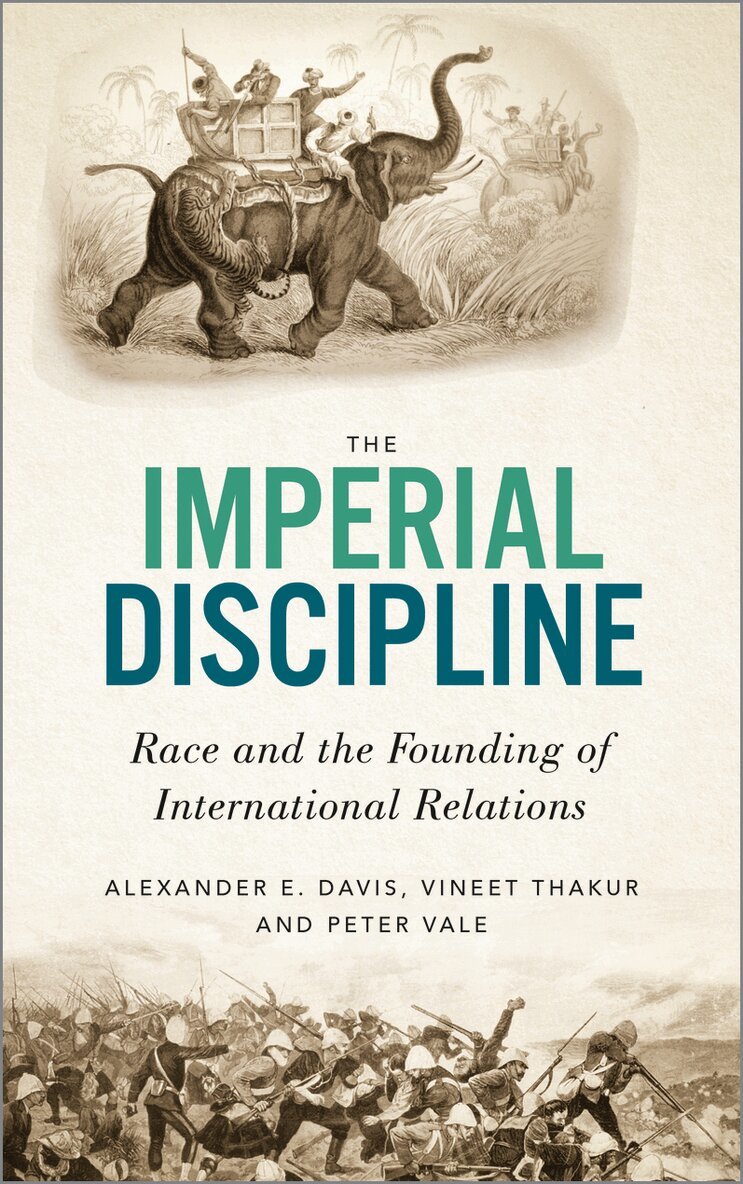
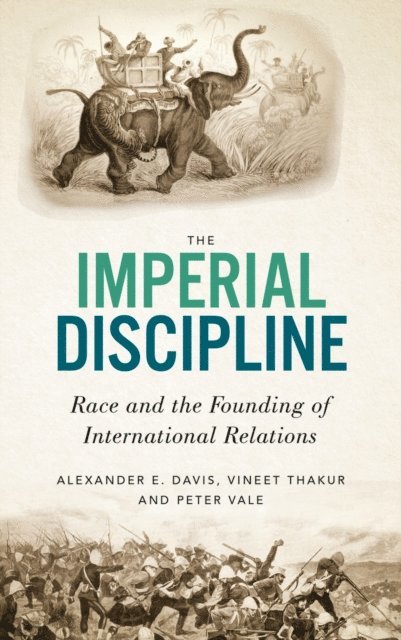
This book questions the accepted origins of the field of International Relations (IR). Commonly understood to have emerged from the horrors of WW1 with the goal of bringing about world peace, the authors argue that on the contrary, IR came from a somewhat less noble tradition – that of the Round Table.
The Round Table were a network of imperialists emerging in the late 1800s across five key British imperial societies: Australia, Canada, New Zealand, South Africa and India. Their aim was to improve imperial governance, placing the empire into a position to control world affairs. Although they ultimately failed to rearrange world order according to their vision, they did help to build what we now call the discipline of IR.
The Round Table''s ''scientific method'' for the study of world affairs was rapidly subsumed into each geopolitical context. Through telling this story, the authors recover it, and interrogate its meanings for the discipline of IR today. They show the importance of the Global South to IR''s foundations, and argue that IR scholarship in this period was intertwined with imperial racial thought in ways that it should not and cannot forget.
208 kr
Tillfälligt slut