2 526 kr
Skickas inom 10-15 vardagar
2 526 kr
Skickas inom 10-15 vardagar
877 kr
Läs direkt efter köp
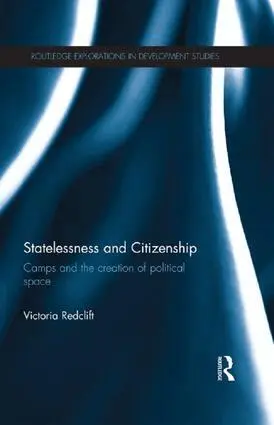
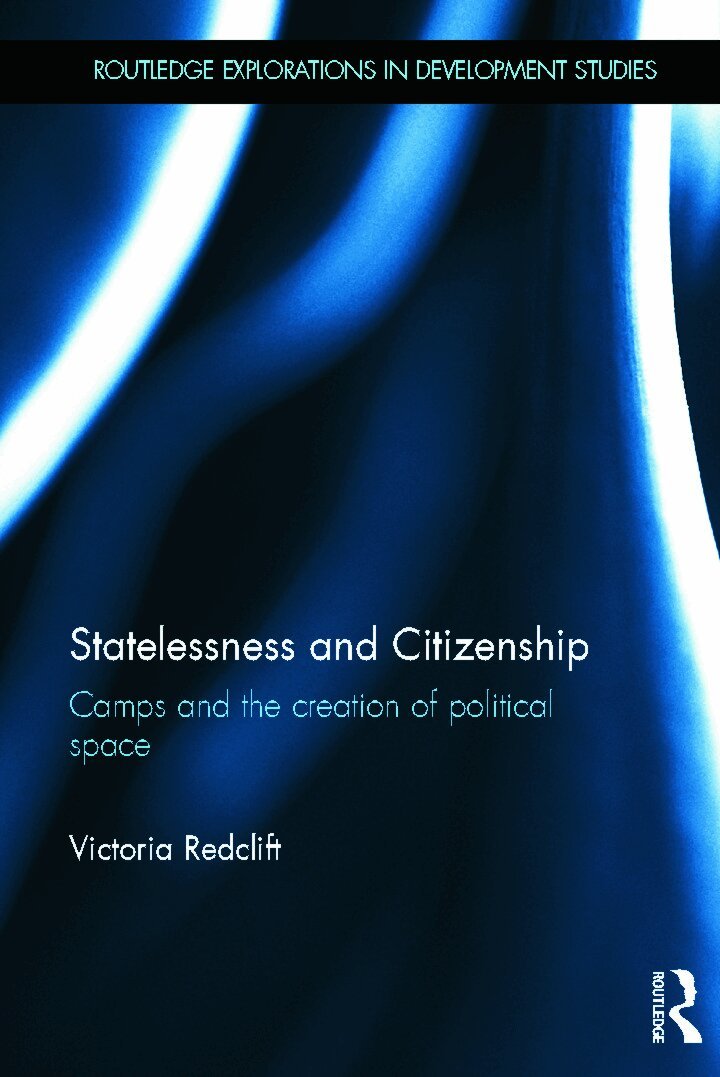
What does it mean to be a citizen? In depth research with a stateless population in Bangladesh has revealed that, despite liberal theory’s reductive vision, the limits of political community are not set in stone. The Urdu-speaking population in Bangladesh exemplify some of the key problems facing uprooted populations and their experience provides insights into the long term unintended consequences of major historical events. Set in a site of camp and non-camp based displacement, it illustrates the nuances of political identity and lived spaces of statelessness that Western political theory has too long hidden from view. Using Bangladesh as a case study, Statelessness and Citizenship: Camps and the creation of political space argues that the crude binary oppositions of statelessness and citizenship are no longer relevant. Access to and understandings of citizenship are not just jurally but socially, spatially and temporally produced.
Unpicking Agamben’s distinction between ‘political beings’ and ‘bare life’, the book considers experiences of citizenship through the camp as a social form. The camps of Bangladesh do not function as bounded physical or conceptual spaces in which denationalized groups are altogether divorced from the polity. Instead, citizenship is claimed at the level of everyday life, as the moments in which formal status is transgressed. Moreover, once in possession of ‘formal status’ internal borders within the nation-state render ‘rights-bearing citizens’ effectively ‘stateless’, and the experience of ‘citizens’ is very often equally uneven. While ‘statelessness’ may function as a cold instrument of exclusion, certainly, it is neither fixed nor static; just as citizenship is neither as stable nor benign as the dichotomy would suggest. Using these insights, the book develops the concept of ‘political space’ – an analysis of the way history and space inform the identities and political subjectivity available to people. In doing so, it provides an analytic approach of relevance to wider problems of displacement, citizenship and ethnic relations.Shortlisted for this year’s BSA Philip Abrams Memorial Prize.
855 kr
Läs direkt efter köp
What does it mean to be a citizen? In depth research with a stateless population in Bangladesh has revealed that, despite liberal theory’s reductive vision, the limits of political community are not set in stone. The Urdu-speaking population in Bangladesh exemplify some of the key problems facing uprooted populations and their experience provides insights into the long term unintended consequences of major historical events. Set in a site of camp and non-camp based displacement, it illustrates the nuances of political identity and lived spaces of statelessness that Western political theory has too long hidden from view. Using Bangladesh as a case study, Statelessness and Citizenship: Camps and the creation of political space argues that the crude binary oppositions of statelessness and citizenship are no longer relevant. Access to and understandings of citizenship are not just jurally but socially, spatially and temporally produced.
Unpicking Agamben’s distinction between ‘political beings’ and ‘bare life’, the book considers experiences of citizenship through the camp as a social form. The camps of Bangladesh do not function as bounded physical or conceptual spaces in which denationalized groups are altogether divorced from the polity. Instead, citizenship is claimed at the level of everyday life, as the moments in which formal status is transgressed. Moreover, once in possession of ‘formal status’ internal borders within the nation-state render ‘rights-bearing citizens’ effectively ‘stateless’, and the experience of ‘citizens’ is very often equally uneven. While ‘statelessness’ may function as a cold instrument of exclusion, certainly, it is neither fixed nor static; just as citizenship is neither as stable nor benign as the dichotomy would suggest. Using these insights, the book develops the concept of ‘political space’ – an analysis of the way history and space inform the identities and political subjectivity available to people. In doing so, it provides an analytic approach of relevance to wider problems of displacement, citizenship and ethnic relations.Shortlisted for this year’s BSA Philip Abrams Memorial Prize.
743 kr
Skickas inom 10-15 vardagar
735 kr
Skickas inom 10-15 vardagar
2 602 kr
Skickas inom 10-15 vardagar
843 kr
Läs direkt efter köp
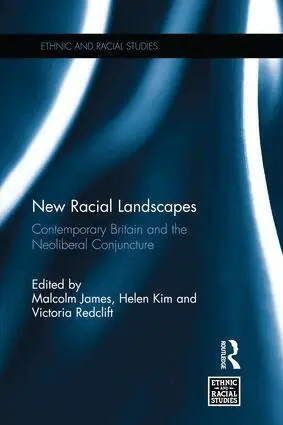
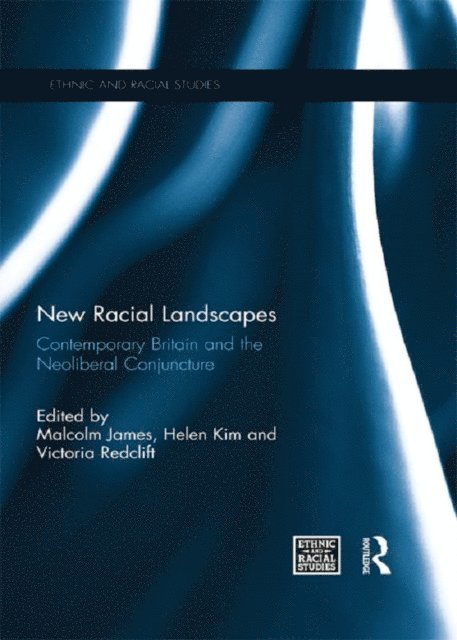
The chapters in this volume examine the racial and ethnic landscape of Britain in a contemporary era of neoliberalism and financial crisis. A key aspect of neoliberal thought is the belief that we live in a ‘post-racial’ in which the problems of racism and xenophobia have been overcome. However, cultural retrenchment and coded xenophobia have been sweeping the political terrain, accompanied by ‘new racisms’ and ‘new racial subjects’ that only close contextual analysis can unpick. The scholarship contained in this collection challenges those who suggest that we live in a post-racial time. By focusing on particular locations in Britain at a particular moment, the volume explores local stories of ‘race’ and racism across changing sociopolitical ground. This book is essential reading for scholars and students of race, racism, diaspora, multiculturalism, post-colonialism, transnationalism and post-race.
This book was originally published as a special issue of Ethnic and Racial Studies.
849 kr
Läs direkt efter köp
The chapters in this volume examine the racial and ethnic landscape of Britain in a contemporary era of neoliberalism and financial crisis. A key aspect of neoliberal thought is the belief that we live in a ‘post-racial’ in which the problems of racism and xenophobia have been overcome. However, cultural retrenchment and coded xenophobia have been sweeping the political terrain, accompanied by ‘new racisms’ and ‘new racial subjects’ that only close contextual analysis can unpick. The scholarship contained in this collection challenges those who suggest that we live in a post-racial time. By focusing on particular locations in Britain at a particular moment, the volume explores local stories of ‘race’ and racism across changing sociopolitical ground. This book is essential reading for scholars and students of race, racism, diaspora, multiculturalism, post-colonialism, transnationalism and post-race.
This book was originally published as a special issue of Ethnic and Racial Studies.
618 kr
Kommande
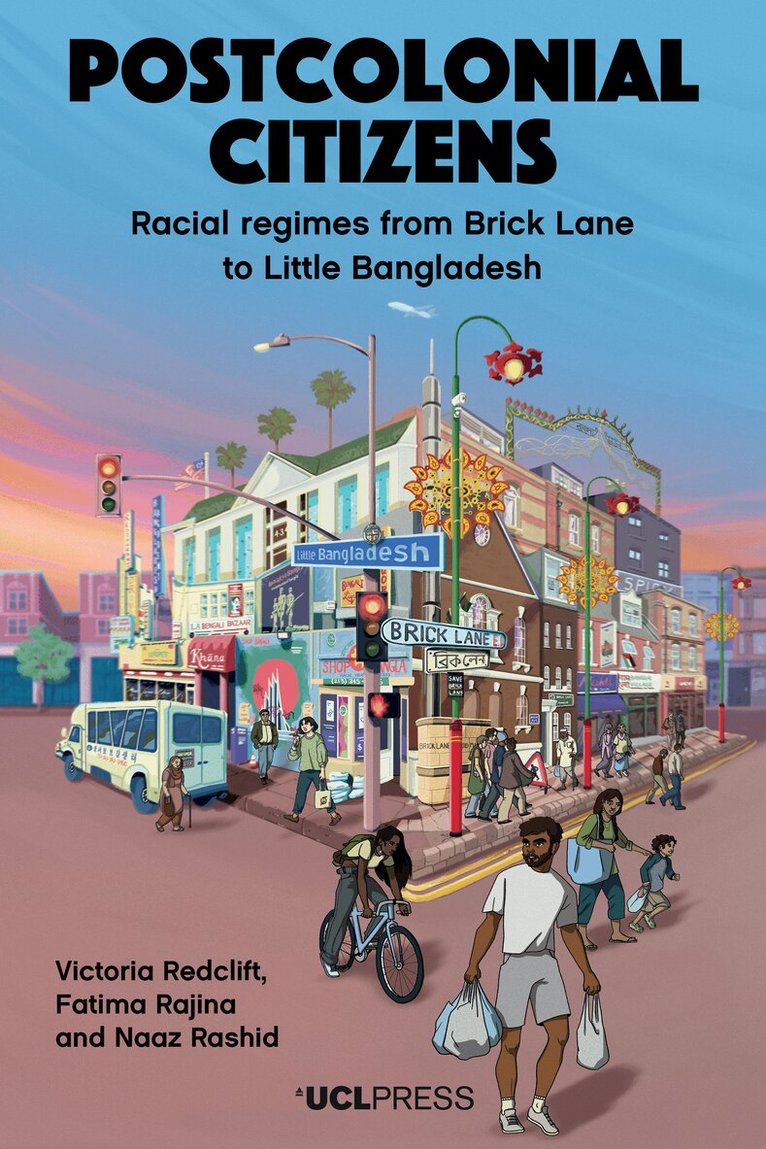
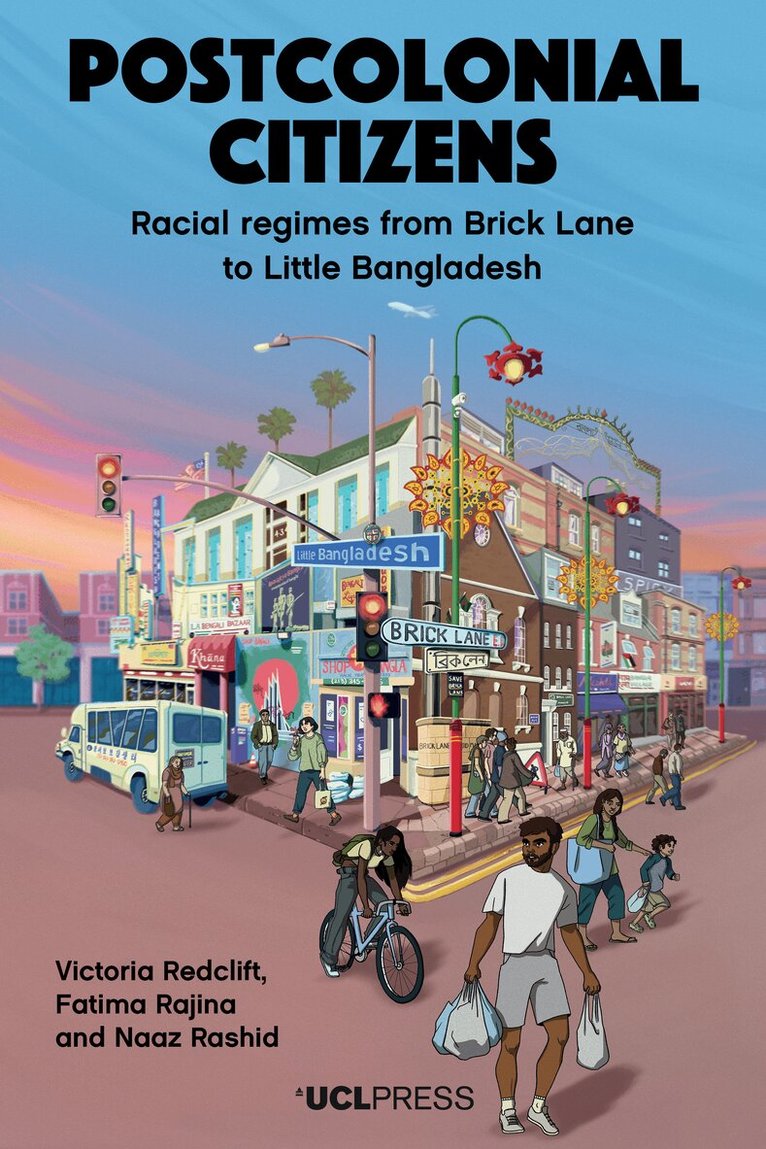
According to the International Organisation for Migration, the Bangladeshi diaspora is one of the world’s largest with around 2.4 million members, and the United Kingdom and the United States are two of the primary countries of settlement. *Postcolonial Citizens *examines the experiences of several generations of Muslim Bangladeshis in London and Los Angeles. Although narratives of globalisation suggest increasing homogeneity, this book shows how the Bangladeshi diaspora experience has been shaped by their cities of settlement. Crucial to this analysis is the concept of ‘racial regimes’ developed by Cedric Robinson which considers how 'race' reworks itself in different historical and geographical circumstances.
Since 9/11, the transnational practices of diasporic Muslims have received significant negative attention, as both security threats and impediments to citizenship. *Postcolonial Citizens *unpacks the relationship between citizenship and transnationalism by focusing on three transnational domains – remittances, religion and investment – in relation to Muslim Bangladeshis in the US and the UK. It is a tale of two cities separated by the Atlantic, and by the respective, albeit interconnected, histories of colonialism and settler colonialism through which different racial practices have emerged and are legitimated as a result.
371 kr
Kommande
According to the International Organisation for Migration, the Bangladeshi diaspora is one of the world’s largest with around 2.4 million members, and the United Kingdom and the United States are two of the primary countries of settlement. *Postcolonial Citizens *examines the experiences of several generations of Muslim Bangladeshis in London and Los Angeles. Although narratives of globalisation suggest increasing homogeneity, this book shows how the Bangladeshi diaspora experience has been shaped by their cities of settlement. Crucial to this analysis is the concept of ‘racial regimes’ developed by Cedric Robinson which considers how 'race' reworks itself in different historical and geographical circumstances.
Since 9/11, the transnational practices of diasporic Muslims have received significant negative attention, as both security threats and impediments to citizenship. *Postcolonial Citizens *unpacks the relationship between citizenship and transnationalism by focusing on three transnational domains – remittances, religion and investment – in relation to Muslim Bangladeshis in the US and the UK. It is a tale of two cities separated by the Atlantic, and by the respective, albeit interconnected, histories of colonialism and settler colonialism through which different racial practices have emerged and are legitimated as a result.