1 715 kr
Skickas inom 7-10 vardagar
1 715 kr
Skickas inom 7-10 vardagar
1 983 kr
Läs direkt efter köp
As the frequency of both natural and man-made mass fatality disasters increases worldwide, the establishment of clear standards and best practices within the field of Disaster Victim identification (DVI) is of vital importance. Whereas most countries assign jurisdiction to law enforcement agencies following Interpol guidelines, DVI is the responsibility of the medical examiner and coroner in the United States.
Disaster Victim Identification in the 21st Century is the first book of its kind to directly address the needs of DVI practitioners in the United States, covering the full spectrum of DVI from traditional methods such as fingerprints, odontology, and anthropology to advanced DNA identification technology. Approaching DVI from three perspectives—academic, government, and private industry—this comprehensive volume examines the history and current state of the discipline, the ongoing formation of national standards, the various methods of human identification, and the key challenges and future of DVI. In-depth chapters are written by leaders in the field with personal experience in human identification and mass fatality events.
Provides practitioners with practical guidance on planning and taking part in DVI based on current national standards and best practices Discusses continued improvement in both traditional and emerging DVI methods Includes non-region-specific case studies and recommendations that can be easily adapted for international use Examines ethical and legal considerations in DVI, including suggestions for standardizing the victim identification process Describes the critical role of the Victim Information Center (VIC) in providing the comparative information required to go beyond presumptive identificationsPart of the American Association for Forensic Sciences (AAFS) series, Disaster Victim Identification in the 21st Century: A US Perspective is an indispensable resource for forensic scientists, disaster planners, policymakers, medical examiners and coroners, law enforcement and emergency personnel, and upper-level undergraduate and graduate students in forensic sciences and emergency management.
1 983 kr
Läs direkt efter köp
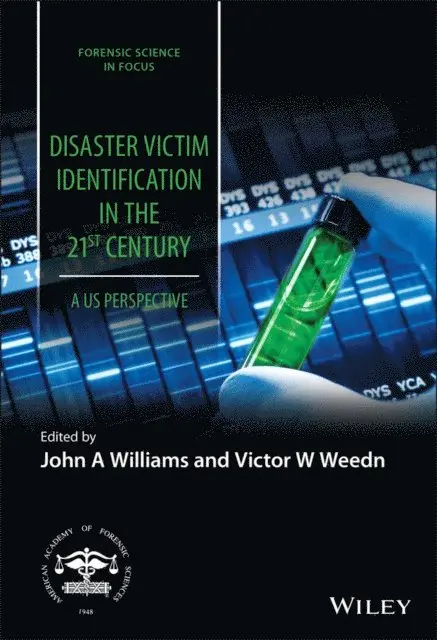
As the frequency of both natural and man-made mass fatality disasters increases worldwide, the establishment of clear standards and best practices within the field of Disaster Victim identification (DVI) is of vital importance. Whereas most countries assign jurisdiction to law enforcement agencies following Interpol guidelines, DVI is the responsibility of the medical examiner and coroner in the United States.
Disaster Victim Identification in the 21st Century is the first book of its kind to directly address the needs of DVI practitioners in the United States, covering the full spectrum of DVI from traditional methods such as fingerprints, odontology, and anthropology to advanced DNA identification technology. Approaching DVI from three perspectives—academic, government, and private industry—this comprehensive volume examines the history and current state of the discipline, the ongoing formation of national standards, the various methods of human identification, and the key challenges and future of DVI. In-depth chapters are written by leaders in the field with personal experience in human identification and mass fatality events.
Provides practitioners with practical guidance on planning and taking part in DVI based on current national standards and best practices Discusses continued improvement in both traditional and emerging DVI methods Includes non-region-specific case studies and recommendations that can be easily adapted for international use Examines ethical and legal considerations in DVI, including suggestions for standardizing the victim identification process Describes the critical role of the Victim Information Center (VIC) in providing the comparative information required to go beyond presumptive identificationsPart of the American Association for Forensic Sciences (AAFS) series, Disaster Victim Identification in the 21st Century: A US Perspective is an indispensable resource for forensic scientists, disaster planners, policymakers, medical examiners and coroners, law enforcement and emergency personnel, and upper-level undergraduate and graduate students in forensic sciences and emergency management.
1 237 kr
Skickas inom 10-15 vardagar
1 020 kr
Läs direkt efter köp
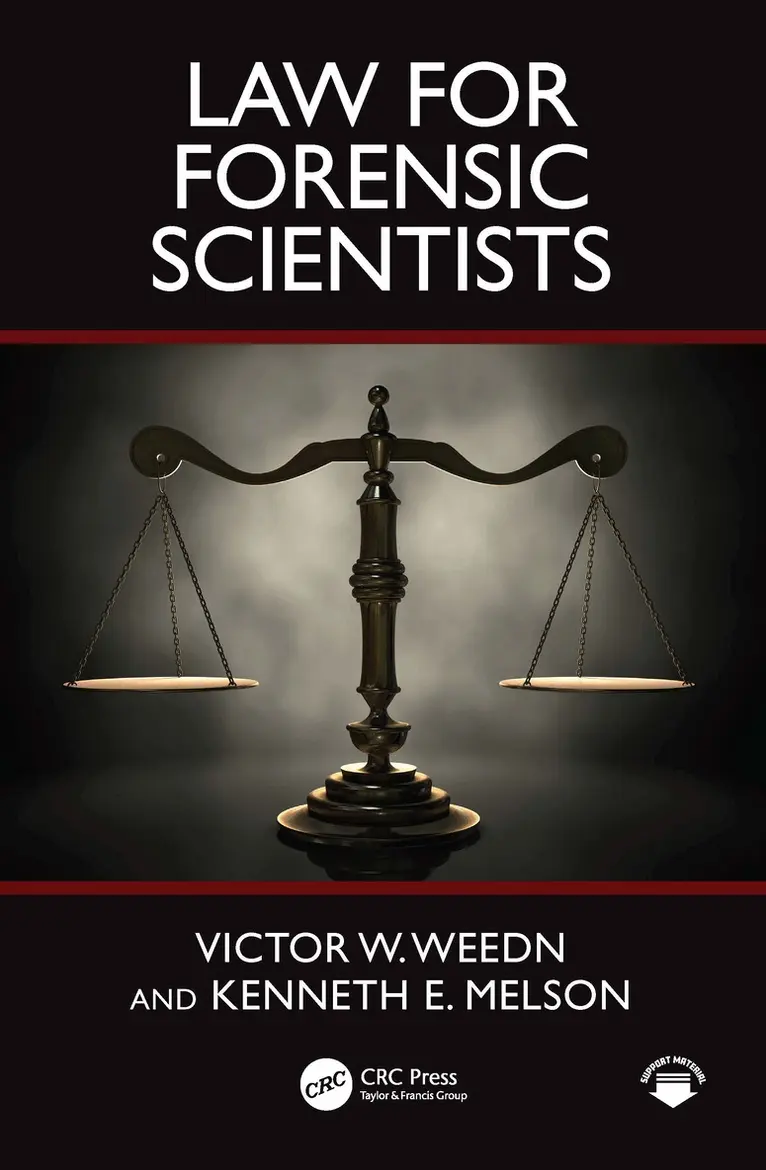
Law for Forensic Scientists fills a significant gap by providing an accessible and comprehensive textbook for forensic science students, practitioners, and attorneys working with forensic evidence. While numerous books cover criminal law, criminal procedure, and expert testimony separately – often tailored for law students and criminal defense attorneys – this book uniquely integrates these key areas for forensic scientists.
Designed to build a broad understanding of the legal landscape, this book covers essential topics such as criminal offenses, criminal procedures, Fourth Amendment search and seizure law, forensic evidence collection, the treatment of science in Anglo-American jurisprudence, and expert testimony. Each chapter presents content in a structured and digestible format, featuring case studies, key terms, thought-provoking questions, chapter summaries, and references for further reading. Significant case law is incorporated throughout that illustrate real-world applications. To support both students and instructors, this book includes a full subject, case, and statutory index, as well as a glossary for quick reference. Additionally, online instructor resources provide supplementary materials, including a proposed syllabus and test questions, making it a valuable resource for forensic science and legal studies courses.
Law for Forensic Scientists is an accessible textbook appropriate for students in forensic science programs taking a course on criminal law.