1 079 kr
Skickas inom 10-15 vardagar
1 079 kr
Skickas inom 10-15 vardagar
1 169 kr
Läs direkt efter köp
614 kr
Skickas inom 10-15 vardagar
1 849 kr
Skickas inom 10-15 vardagar
767 kr
Läs direkt efter köp
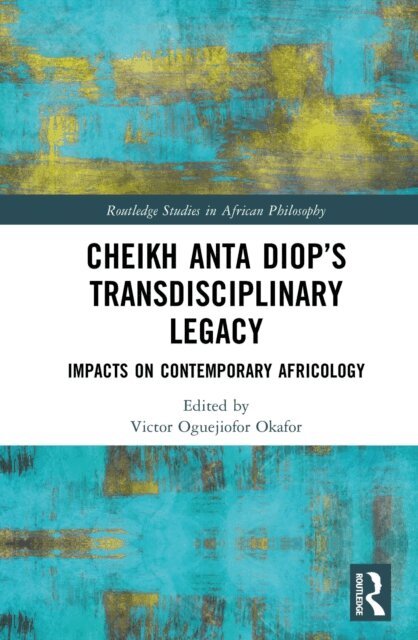
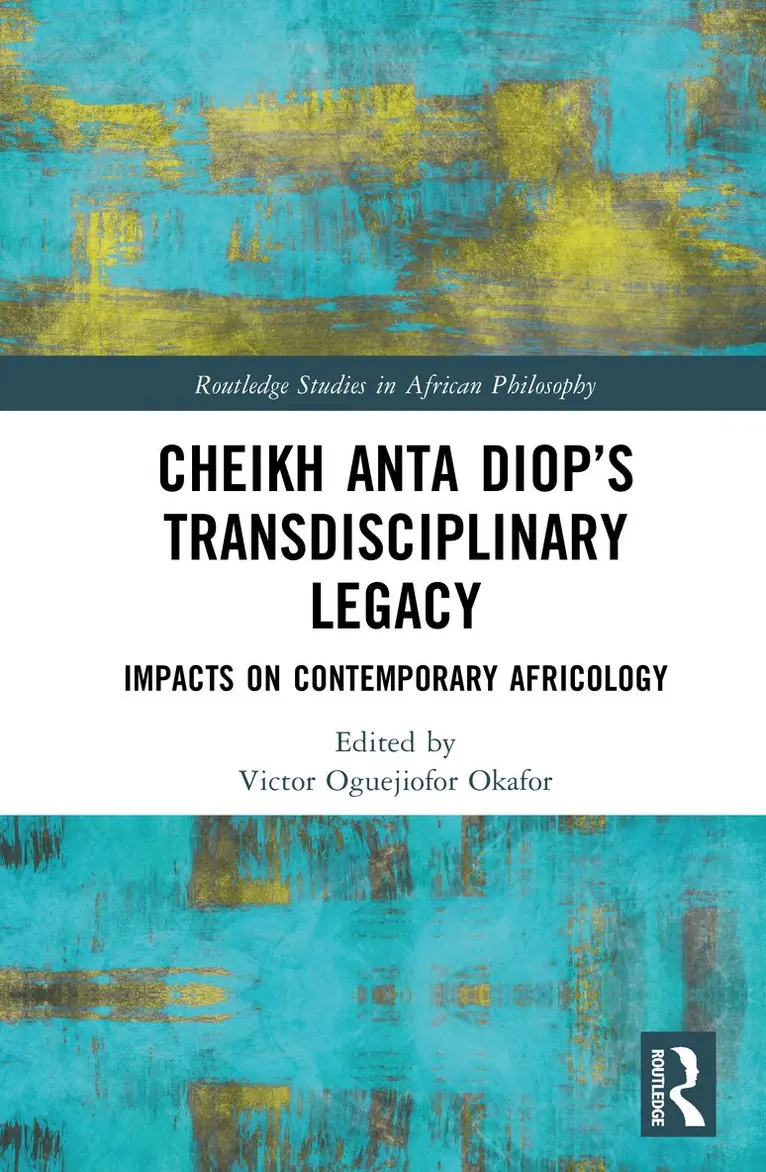
This book highlights the transdisciplinary legacy of Cheikh Anta Diop’s epistemology, demonstrating its continuing impact on contemporary Africology, which is also known as Black Studies.
Diop’s works in the second half of the 20th century were foundational to the discipline of Africology. Exposing a stain of cultural and racial bias in Eurocentric Egyptology, Diop argued that ancient Egyptian civilization in fact had deep cultural and linguistic connections with African societies south of the Sahara. This book argues that transdisciplinarity was at the heart of Diop’s arguments, as his work drew from history, anthropology, linguistics, sociology, economics, linguistics, osteology, and physics. This book argues that even now, transdisciplinary approaches remain essential to the discipline of Africology, sometimes referred to as Black Studies, Africana Studies, Pan-African Studies, African Global Studies, or African American Studies. In this book, the contributors consider how Diopian transdisciplinary epistemic approaches continue to combat racial bias and restore the global historical and cultural significance of Africa.
Highlighting the significance of Africa’s usable past as outlined by Diop, this book is an important read for researchers across African Studies, Africology, Black Studies, History, World Civilizations, Intercultural Studies, Africa-focused Think Tanks, and policy makers across the African world.
2 515 kr
Skickas inom 10-15 vardagar
714 kr
Läs direkt efter köp
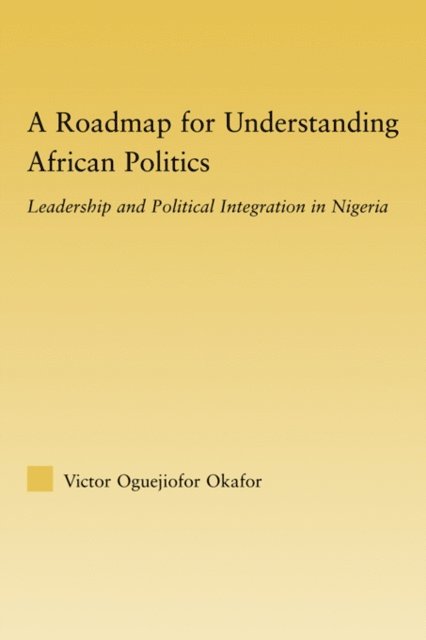
This book examines the impact of post-colonial leadership on political integration in Nigeria, offering an in-depth understanding of the historical and contemporary forces that shape Nigeria''s national politics as well as African politics generally. Okafor discusses how Nigeria''s pre-colonial and colonial political histories along with contemporary external forces like neo-colonialism, as well as internal social, economic and political structures and developments, have affected emerging post-independence politics in the country. The study climaxes with an Africa-centered theory of political and integrative leadership and then uses it as a prism for analyzing six Nigerian post-independence political leaderships, encompassing Nigeria''s First and Second Republics, along with their military interregna. The concluding chapter includes a discussion of the implications of the study for leadership and political integration in Africa in general.
693 kr
Läs direkt efter köp
This book examines the impact of post-colonial leadership on political integration in Nigeria, offering an in-depth understanding of the historical and contemporary forces that shape Nigeria''s national politics as well as African politics generally. Okafor discusses how Nigeria''s pre-colonial and colonial political histories along with contemporary external forces like neo-colonialism, as well as internal social, economic and political structures and developments, have affected emerging post-independence politics in the country. The study climaxes with an Africa-centered theory of political and integrative leadership and then uses it as a prism for analyzing six Nigerian post-independence political leaderships, encompassing Nigeria''s First and Second Republics, along with their military interregna. The concluding chapter includes a discussion of the implications of the study for leadership and political integration in Africa in general.