624 kr
Skickas inom 10-15 vardagar
624 kr
Skickas inom 10-15 vardagar
2 534 kr
Skickas inom 10-15 vardagar
2 463 kr
Skickas inom 10-15 vardagar
778 kr
Skickas inom 10-15 vardagar
2 534 kr
Skickas inom 10-15 vardagar
374 kr
Skickas inom 10-15 vardagar
722 kr
Läs direkt efter köp
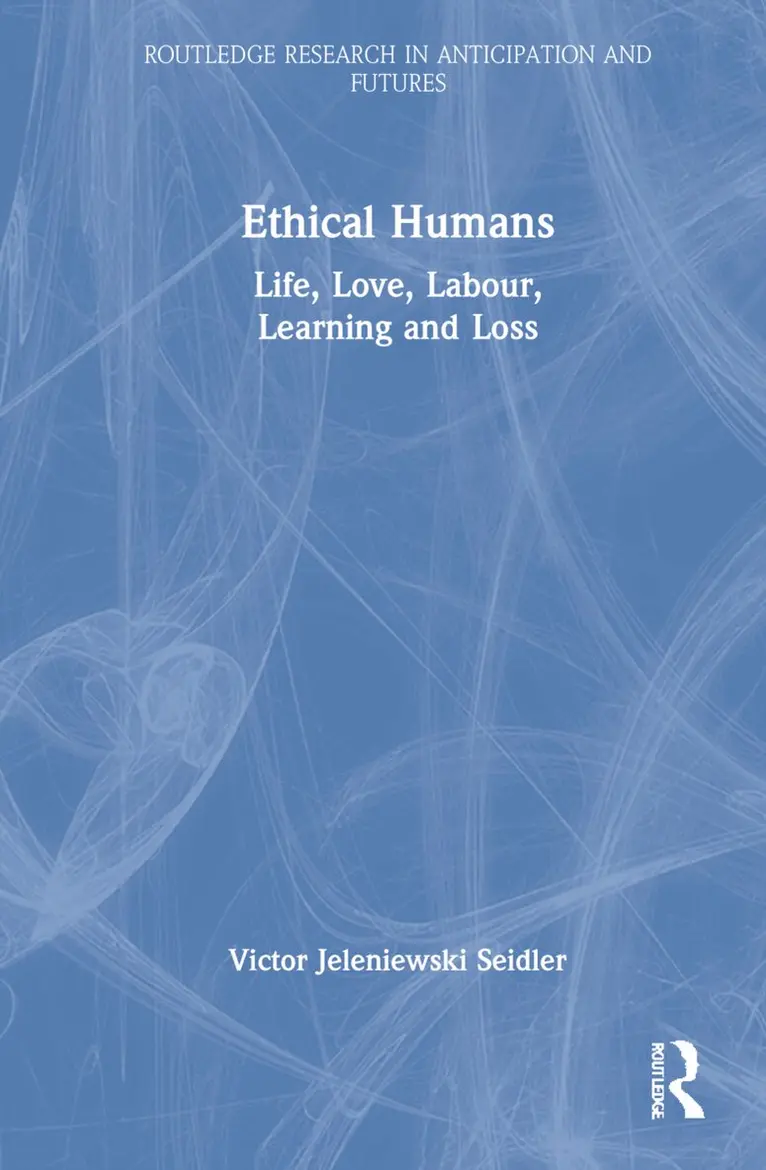
Ethical Humans questions how philosophy and social theory can help us to engage the everyday moral realities of living, working, loving, learning and dying in new capitalism. It introduces sociology as an art of living and as a formative tradition of embodied radical eco post-humanism.
Seeking to embody traditions of philosophy and social theory in everyday ethics, this book validates emotions and feelings as sources of knowledge and shows how the denigration of women has gone hand in hand with the denigration of nature. It queries post-structuralist traditions of anti-humanism that, for all their insights into the fragmentation of identities, often sustain a distinction between nature and culture. The author argues that in a crisis of global warming, we have to learn to listen to our bodies as part of nature and draws on Wittgenstein to shape embodied forms of philosophy and social theory that questions theologies that tacitly continue to shape philosophical traditions. In acknowledging our own vulnerabilities, we question the vision of the autonomous and independent rational self that often remains within the terms of dominant white masculinities. This book offers different modes of self-work, drawing on psychoanalysis and embodied post-analytic psychotherapies as part of a decolonising practice questioning Eurocentric colonising modernity. In doing so it challenges, with Simone Weil, Roman notions of power and greatness that have shaped visions of white supremacy and European colonial power and empire.
This book will be of great interest to students and scholars of environmental ethics, environmental philosophy, social theory and sociology, ethics and philosophy, cultural studies, future studies, gender studies, post-colonial studies, Marxism, psychoanalysis and psychotherapy and philosophy and sociology as arts of living.
712 kr
Läs direkt efter köp
Ethical Humans questions how philosophy and social theory can help us to engage the everyday moral realities of living, working, loving, learning and dying in new capitalism. It introduces sociology as an art of living and as a formative tradition of embodied radical eco post-humanism.
Seeking to embody traditions of philosophy and social theory in everyday ethics, this book validates emotions and feelings as sources of knowledge and shows how the denigration of women has gone hand in hand with the denigration of nature. It queries post-structuralist traditions of anti-humanism that, for all their insights into the fragmentation of identities, often sustain a distinction between nature and culture. The author argues that in a crisis of global warming, we have to learn to listen to our bodies as part of nature and draws on Wittgenstein to shape embodied forms of philosophy and social theory that questions theologies that tacitly continue to shape philosophical traditions. In acknowledging our own vulnerabilities, we question the vision of the autonomous and independent rational self that often remains within the terms of dominant white masculinities. This book offers different modes of self-work, drawing on psychoanalysis and embodied post-analytic psychotherapies as part of a decolonising practice questioning Eurocentric colonising modernity. In doing so it challenges, with Simone Weil, Roman notions of power and greatness that have shaped visions of white supremacy and European colonial power and empire.
This book will be of great interest to students and scholars of environmental ethics, environmental philosophy, social theory and sociology, ethics and philosophy, cultural studies, future studies, gender studies, post-colonial studies, Marxism, psychoanalysis and psychotherapy and philosophy and sociology as arts of living.
785 kr
Läs direkt efter köp
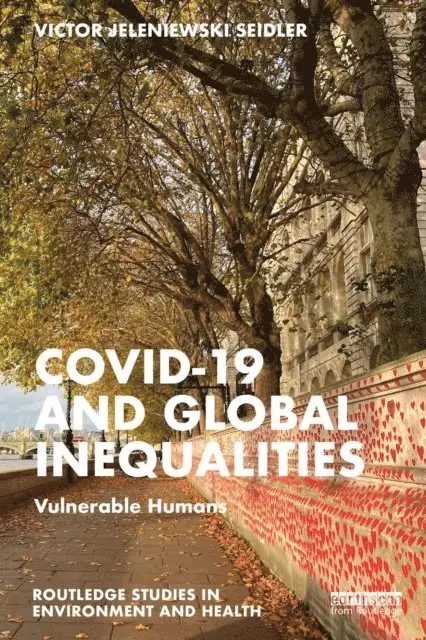
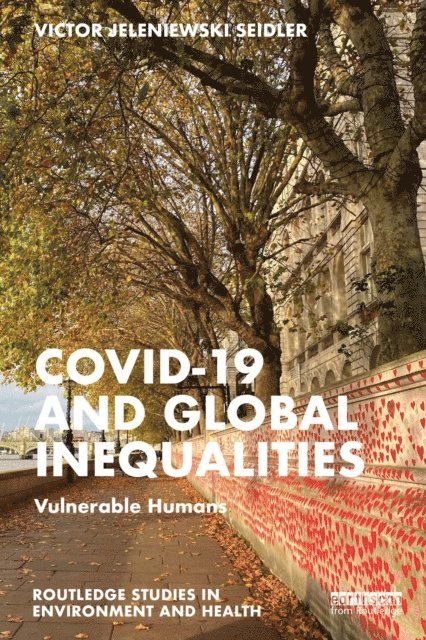
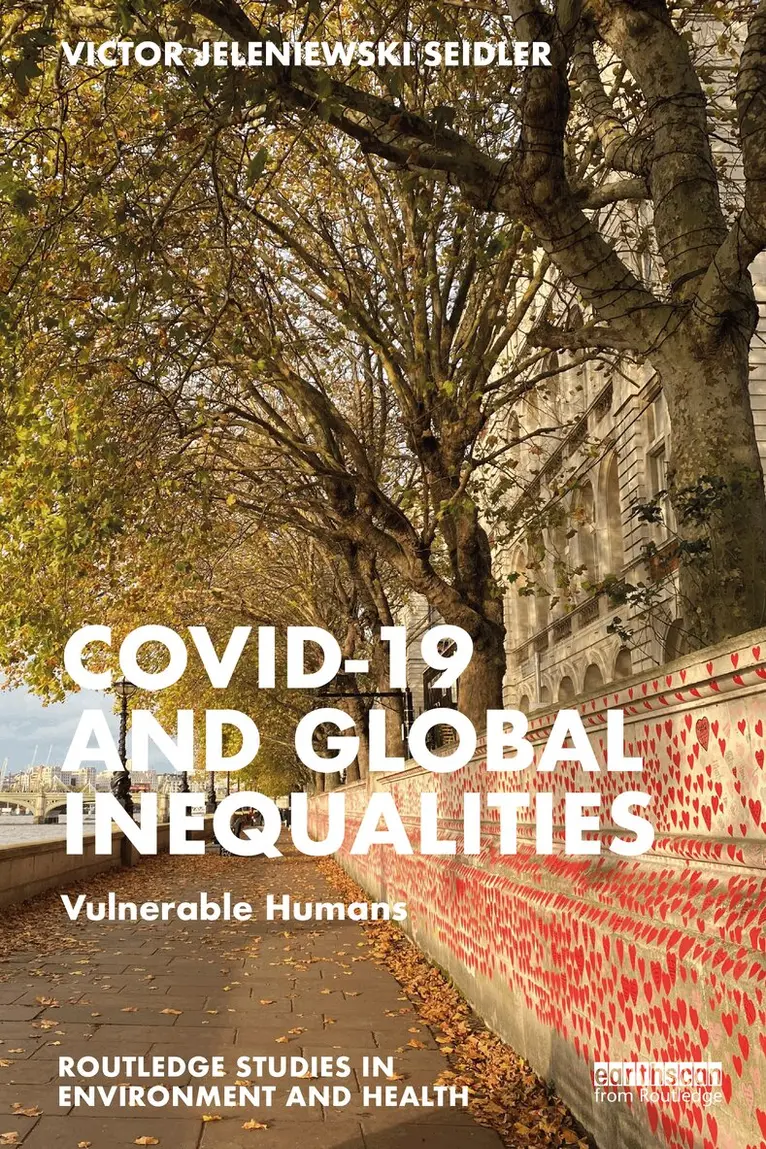
This timely and powerful autoethnography traces the spread of and responses to Covid-19: from the uncertainty surrounding its outbreak, to its devastating and continued aftermath. Following the virus in real time, it explores the fears, risks and responses to the global pandemic, and how it has shaped our everyday lives against the backdrop of social and political upheaval, and the looming climate crisis.
Social theorist and moral philosopher, Victor Jeleniewski Seidler, discusses fundamental questions of inequality and injustice regarding race, class and gender brought to the fore by the visibility of varying risk levels, vulnerabilities and protections provided by legislative measures against the virus. This interdisciplinary analysis scrutinises values, ethics, responsibilities and uncertain futures formed by the global health crisis, and evaluates media and communications strategies, government responses and political communications at domestic and international levels. Seidler shares critical insights into the cultural history of pandemics, highlighting lessons to be learned from anticipating, preparing for and enduring moments of crisis. Perceiving how the pandemic and climate emergency are interwoven, the book concludes with an urgent call to rebuild sustainable economic, political and ecological imaginations.
This wide-reaching volume will appeal to a broad academic readership in environmental studies, sociology, philosophy, health studies, cultural studies, gender studies, media and communication.
2 534 kr
Skickas inom 10-15 vardagar
653 kr
Skickas inom 10-15 vardagar
2 498 kr
Kommande
430 kr
Läs direkt efter köp
430 kr
Läs direkt efter köp
915 kr
Läs direkt efter köp
929 kr
Läs direkt efter köp
402 kr
Skickas inom 7-10 vardagar
1 278 kr
Skickas inom 7-10 vardagar
1 860 kr
Skickas inom 10-15 vardagar
506 kr
Skickas inom 10-15 vardagar
644 kr
Tillfälligt slut