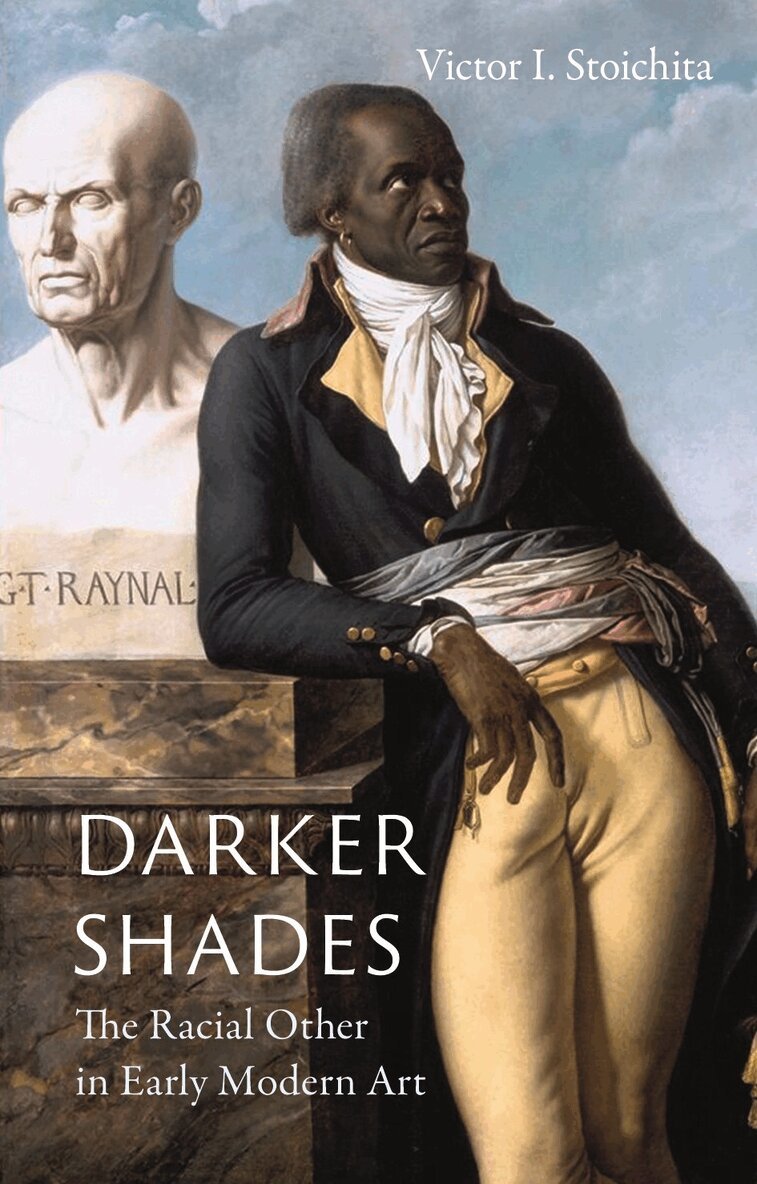
Difference exists; otherness is constructed. This book asks how important Western artists, from Giotto to Titian and Caravaggio, and from Bosch to Dürer and Rembrandt, shaped the imaging of non-Western individuals in Early Modern art. This nuanced and detailed study examines images of racial ‘otherness’ during a time of new encounters with different cultures and peoples, such as people of colour, Muslims and Jews. The book also reconsiders the Western canon’s most essential facets: perspective, pictorial narrative, composition, bodily proportion, beauty, colour, harmony and lighting. What room was there for the ‘Other’ in such a crystalline, unchanging paradigm? This book is a fascinating investigation for anyone interested in early modern art history, anthropology and post-colonial studies.
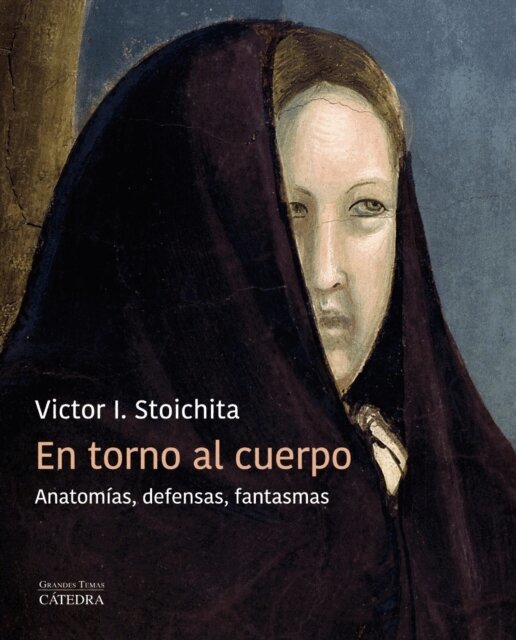
El cuerpo es últimamente centro de interés creciente de las ciencias humanas. Sus secretos están lejos de ser completamente desvelados. Estudios recientes insisten en que el cuerpo tiene una historia y que esta historia abarca apariencia y profundidad, deseo y poder, caída y apoteosis, vida y muerte. Este es el contexto en el que el presente libro pretende adentrarse, apelando a los instrumentos del historiador de las imágenes. Hasta hoy, el comentario estético tradicional se ha situado esencialmente en el terreno de las apariencias, escamoteando la confrontación con lo que las supera; lo visible no es únicamente cuestión de superficie. El cuerpo es una representación, inseparable de la mirada que lo elabora y de los "media" que lo exhiben, indisociable de su propio envoltorio cutáneo (maquillajes, incisiones, armaduras, velos, adornos) y traducido por palabras, letras, películas de color, bloques de mármol, pantallas de proyección. Este libro estudia el papel que desempeñan en la construcción del imaginario del cuerpo las creencias, los efectos de conciencia, los gustos estéticos, los deseos, los caprichos, las obstrucciones y los temores.
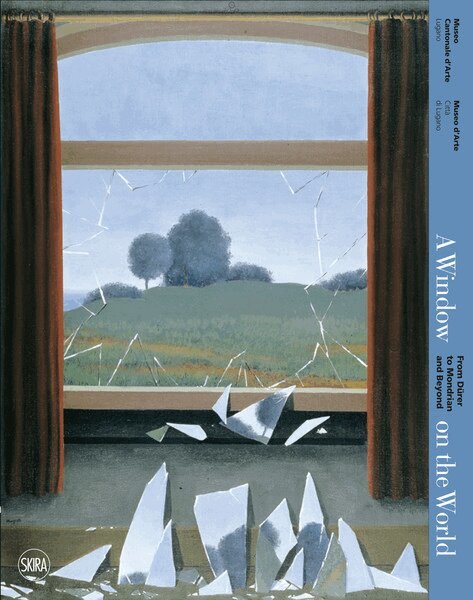
Through more than 200 works, the representation and pictorial meaning of the window in the Western Art Since the Renaissance, the window has been both a metaphor and an essential conceptual tool in Western painting. A Window on the World seeks to thoroughly analyze the gradual changes which have occurred in the representation and pictorial meaning of the window, in particular in the course of the twentieth century. It explores the radical change in perspective whereby artists developed and offered us a “global vision”, a formal perception freed from the need to imitate the objective world. The catalogue is structured into four main sections: Historical introduction, Seeing through, Grids, From the Window to the Screen. These sections include specific analysis consecrated to artists who have chosen the window as the privileged means of their artistic research or to recurrent themes such as the fascinating relationship between window and still life.
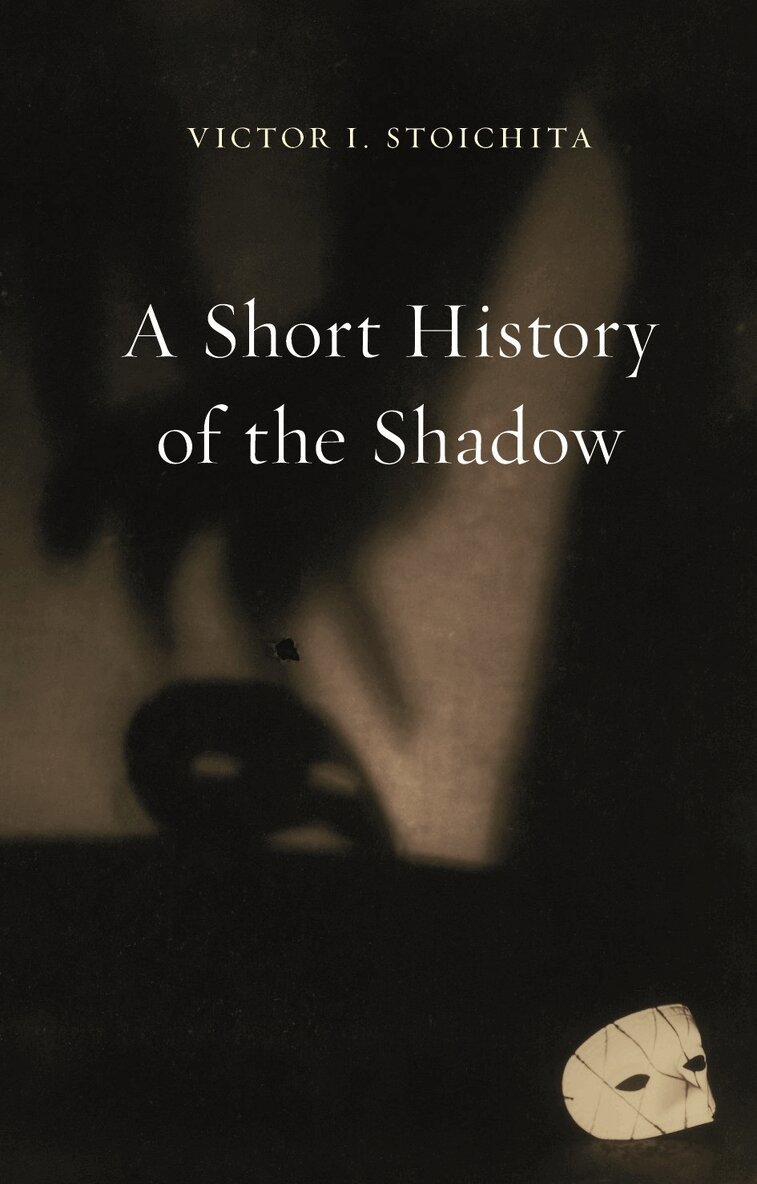
In this investigative tour de force, now available in a new format edition, Victor I. Stoichita untangles the history of one of the most enduring technical and symbolic challenges to confront Western artists: the depiction and meanings of shadows.Stoichita’s compelling account of the shadow and Western art draws on texts by Renaissance artist-authors such as Vasari and Cennini, folk and fairy tales, classical myths, works by van Eyck, Poussin, Malevich, De Chirico, Picasso and other masters, German Expressionist cinema, photography and child psychology. It is a wholly original investigation of a subject that for centuries has challenged the very meaning of art as representation.