Introduction to Business Analytics equips students with the skills to ask the right questions, analyze data using tools like Excel®, Tableau®, Power BI®, and now Python® and GenAI, and interpret results to make informed business decisions. This title integrates an author-created framework called the SOAR analytics model—Specify the question, Obtain the data, Analyze the data, and Report the results—throughout its chapters and labs, ensuring a structured approach to learning. With over 100 hands-on labs and a capstone featuring three comprehensive projects, students gain practical experience applying the SOAR model to real-world business scenarios. This unique focus on practical application and accessible tools makes Introduction to Business Analytics the ideal choice for introductory-level business analytics courses.
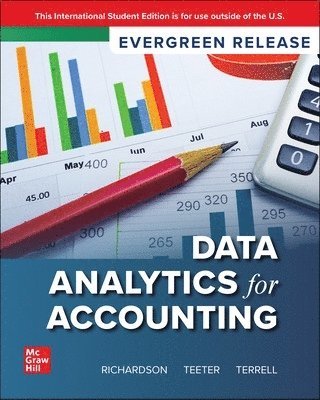
Data Analytics for Accounting is designed to prepare your students with the necessary tools and skills they need to successfully perform data analytics through a conceptual framework and hands-on practice with real-world data. Once students understand the foundation, they are provided hands-on practice with real-world data sets and various data analysis tools which students will use throughout the rest of their careers. The data analysis tools are structured around three tracks—the Microsoft track (Excel, Power Pivot, and Power BI), the Tableau track (Tableau Prep and Tableau Desktop), and the Alteryx track. Using multiple tools allows students to learn skills in various software to gain technical agility. Data Analytics for Accounting is a full course data analytics solution guaranteed to prepare your students for their future careers as accountants.
Accounting Information Systems 4e covers the four roles for accountants with respect to information technology: users of technology and information systems, managers of users of technology, designers of information systems,and evaluators of information systems. Accountants must understand the organization and how organizational processes generate information important to management. The focus of Accounting Information Systems 4e is on the accountant's role as a business analyst in solving business problems by database modeling, database design, and business process modeling. Unlike other texts that provide a broad survey of AIS related topics, this text concentrates on developing practical business analysis skills through real-world examples, problems, and projects. Whether you are developing a new course for AIS or incorporating AIS materials into your existing curriculum, Accounting Information Systems 4e will help your students develop the technological skills they need for their future careers.