779 kr
Skickas inom 10-15 vardagar
779 kr
Skickas inom 10-15 vardagar
686 kr
Läs direkt efter köp
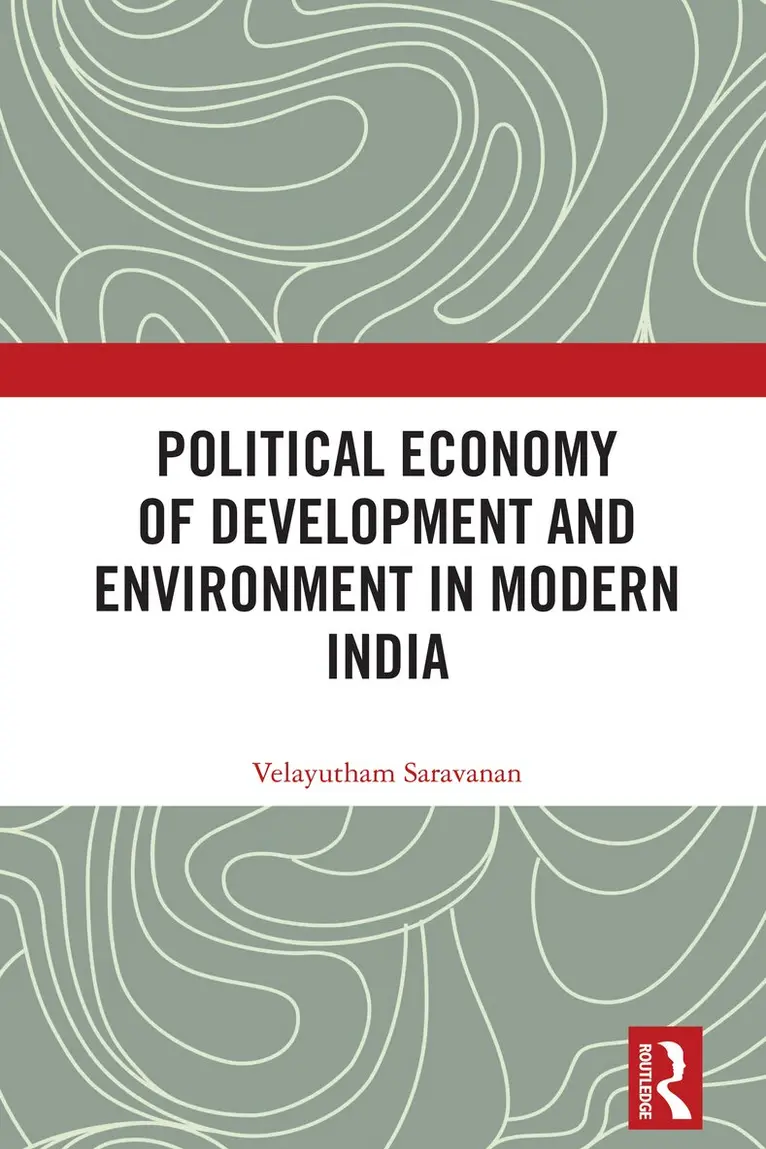
This book captures the complexities of both development and environment, from the political economy point of view, to offer a broad economic and environmental history of post-independence India. It analyses the various components of constitutional provisions, policies, programmes and ecology protection measures during the post-independence period, that is, 1947–2020. The author also investigates India’s land and forest policies of the 21st century: Fair Compensation of Land Acquisition, Rehabilitation and Resettlement Act 2013 and the Scheduled Tribes and Other Traditional Forest Dwellers (Recognition of Forest Rights) Act 2006, which pose a great threat to ecology and the environment. The volume argues how, on one hand, the development agenda has undermined the environmental components for the first three decades of independence and, on the other hand, how the popular vote bank politics further has aggravated the issues related to environment in India.
This book is an essential interdisciplinary resource for scholars and researchers of history, economic history, environmental studies, environmental history, Indian history and development studies.

701 kr
Läs direkt efter köp
This book captures the complexities of both development and environment, from the political economy point of view, to offer a broad economic and environmental history of post-independence India. It analyses the various components of constitutional provisions, policies, programmes and ecology protection measures during the post-independence period, that is, 1947–2020. The author also investigates India’s land and forest policies of the 21st century: Fair Compensation of Land Acquisition, Rehabilitation and Resettlement Act 2013 and the Scheduled Tribes and Other Traditional Forest Dwellers (Recognition of Forest Rights) Act 2006, which pose a great threat to ecology and the environment. The volume argues how, on one hand, the development agenda has undermined the environmental components for the first three decades of independence and, on the other hand, how the popular vote bank politics further has aggravated the issues related to environment in India.
This book is an essential interdisciplinary resource for scholars and researchers of history, economic history, environmental studies, environmental history, Indian history and development studies.
779 kr
Läs direkt efter köp
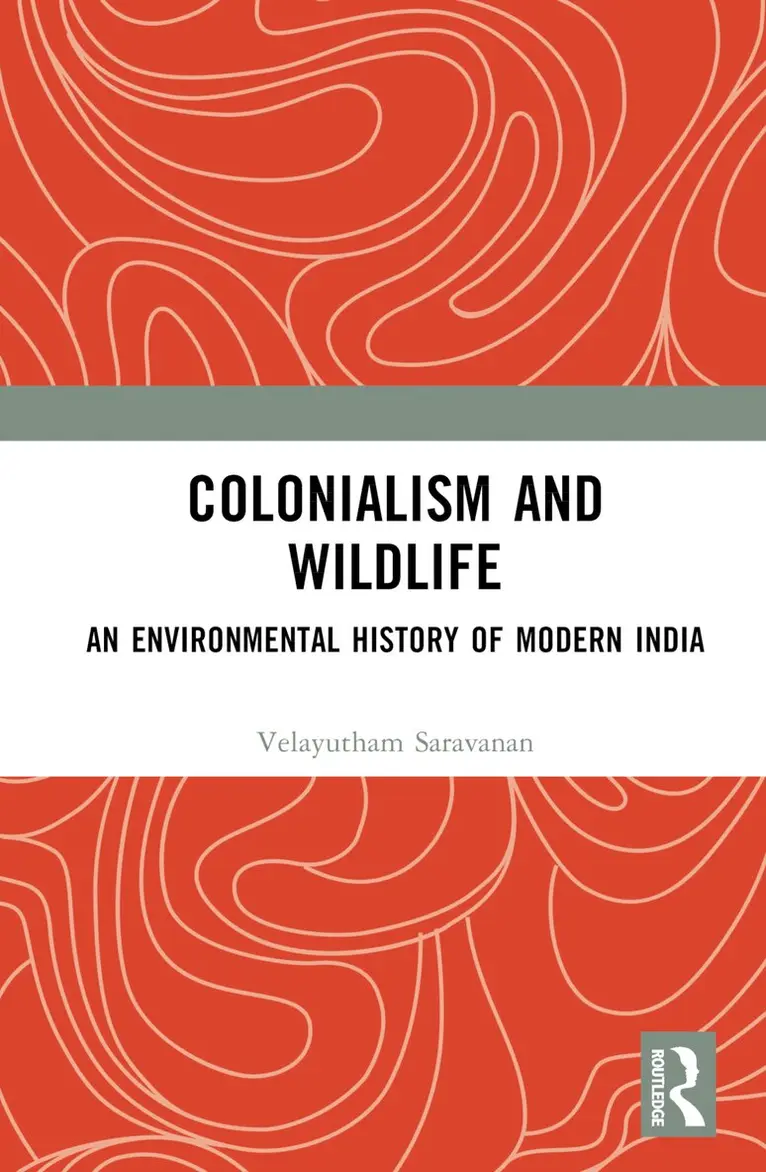
This book delves into the history of the commercialization of wildlife in India. It examines the colonial strategies that were employed in the commodification of wildlife resources specifically for lucrative domestic and international trade during the early nineteenth to the mid-twentieth century. It looks at how and why the colonial administration paid special emphasis on hunting and game sports which largely contributed to commodity capitalism in the form of taxidermy and wildlife exports. The author also critically analyses the wildlife laws and regulations promulgated by the colonial administration, such as the elephant protection act, birds and fisheries act, the forest acts, and studies how they have systematically brought wildlife under state control with a commercial motive.
An important contribution to the environmental history of India, this book is an essential interdisciplinary resource for scholars and researchers of history, colonialism, wildlife studies, economic history, ecological studies, environmental history, Indian history, South Asian studies, and development studies.
768 kr
Läs direkt efter köp
This book delves into the history of the commercialization of wildlife in India. It examines the colonial strategies that were employed in the commodification of wildlife resources specifically for lucrative domestic and international trade during the early nineteenth to the mid-twentieth century. It looks at how and why the colonial administration paid special emphasis on hunting and game sports which largely contributed to commodity capitalism in the form of taxidermy and wildlife exports. The author also critically analyses the wildlife laws and regulations promulgated by the colonial administration, such as the elephant protection act, birds and fisheries act, the forest acts, and studies how they have systematically brought wildlife under state control with a commercial motive.
An important contribution to the environmental history of India, this book is an essential interdisciplinary resource for scholars and researchers of history, colonialism, wildlife studies, economic history, ecological studies, environmental history, Indian history, South Asian studies, and development studies.
2 610 kr
Skickas inom 10-15 vardagar
601 kr
Skickas inom 10-15 vardagar
2 610 kr
Skickas inom 10-15 vardagar
673 kr
Skickas inom 10-15 vardagar
2 852 kr
Skickas inom 10-15 vardagar
903 kr
Läs direkt efter köp
1 622 kr
Skickas inom 10-15 vardagar
530 kr
Läs direkt efter köp
530 kr
Läs direkt efter köp
488 kr
Skickas
807 kr
Skickas inom 7-10 vardagar
1 364 kr
Läs direkt efter köp
1 364 kr
Läs direkt efter köp
1 131 kr
Skickas inom 10-15 vardagar
1 335 kr
Läs direkt efter köp
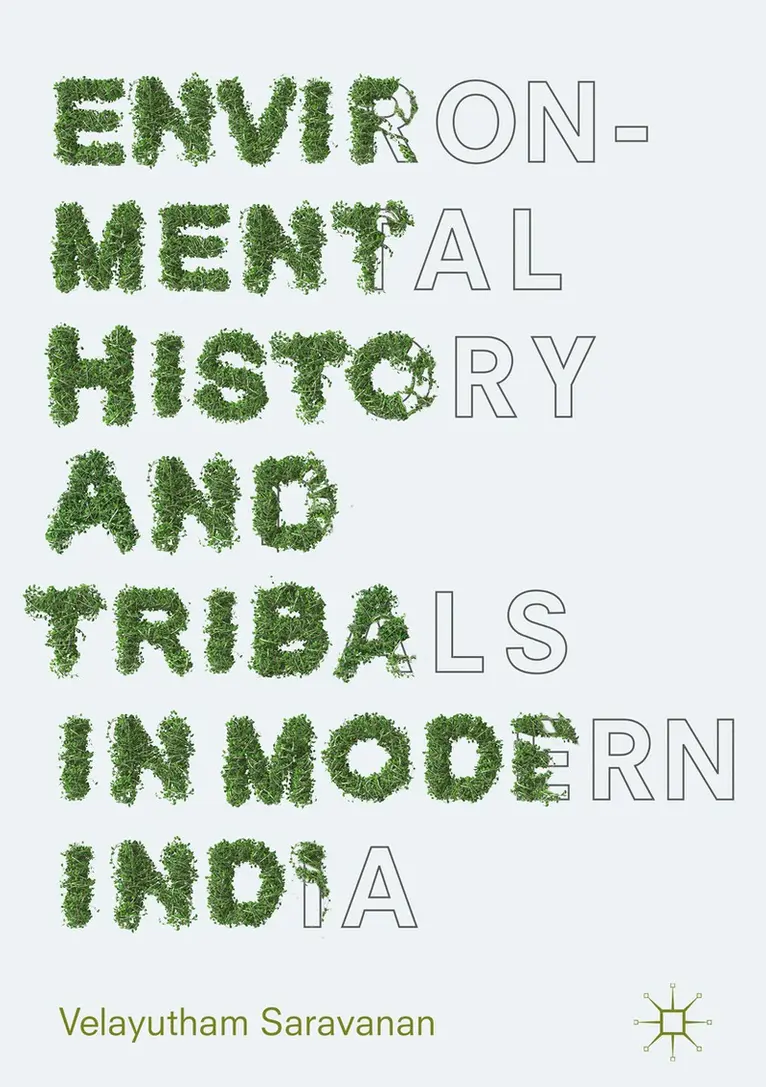
This monograph presents a comprehensive account of environmental history of India and its tribals from the late eighteenth onwards, covering both the colonial and post-colonial periods. The book elaborately discusses the colonial plunder of forest resources up to the introduction of the Forest Act (1878) and focuses on how colonial policy impacted on the Indian environment, opening the floodgates of forest resources plunder, primarily for timber and to establish coffee and tea plantations. The book argues that even after the advent of conservation initiatives, commercial exploitation of forests continued unabated while stringent restrictions were imposed on the tribals, curtailing their access to the jungles. It details how post-colonial governments and populist votebank politics followed the same commercial forest policy till the 1980s without any major reform, exploiting forest resources and also encroaching upon forest lands, pushing the self-sustainable tribal economy to crumble. The book offers a comprehensive account of India’s environmental history during both colonial and post-colonial times, contributing to the current environmental policy debates in Asia.
1 019 kr
Skickas inom 10-15 vardagar