563 kr
Skickas inom 10-15 vardagar
563 kr
Skickas inom 10-15 vardagar
501 kr
Skickas inom 7-10 vardagar
235 kr
Skickas inom 7-10 vardagar
2 379 kr
Skickas
2 007 kr
Läs direkt efter köp
2 007 kr
Läs direkt efter köp
1 613 kr
Skickas inom 3-6 vardagar
318 kr
Läs direkt efter köp
732 kr
Skickas inom 7-10 vardagar
2 542 kr
Skickas inom 10-15 vardagar
700 kr
Skickas inom 10-15 vardagar
2 470 kr
Skickas inom 10-15 vardagar
580 kr
Skickas inom 10-15 vardagar
796 kr
Läs direkt efter köp
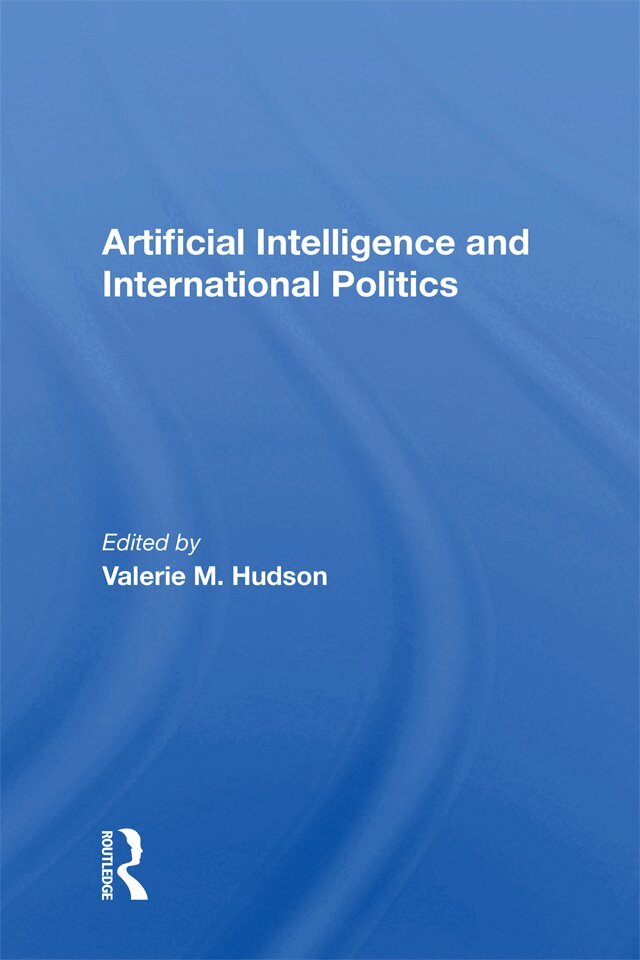
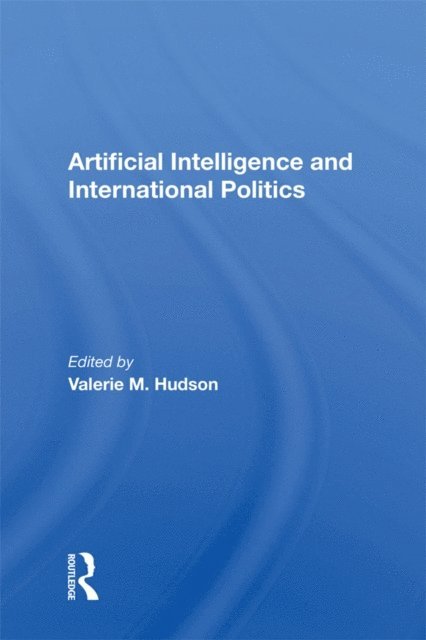
For well over a decade researchers in international relations have sought ways to combine the rigor of quantitative techniques with the richness of qualitative data. Many have discovered that artificial intelligence computer models allow them to do just that. Computer programs modeling international interactions and foreign policy decision making attempt to reflect such human characteristics as learning, memory, and adaptation. In this volume of original essays, distinguished scholars present a comprehensive overview of their research and reflect on the potential of artificial intelligence as a tool for furthering our understanding of international affairs.
The contributors take a broad look at the early stirrings of interest in artificial intelligence as a potentially useful method of political analysis, exploring such topics as intentionality, time sense, and knowledge representation. The work also focuses on the current state of artificial intelligence and examines its general areas of emphasis: international interaction, decision making groups, and cognitive processes in international politics. The contributors represent a cross section of different approaches to using artificial intelligence and reflect the major research programs across the country in this new international relations subfield
814 kr
Läs direkt efter köp
For well over a decade researchers in international relations have sought ways to combine the rigor of quantitative techniques with the richness of qualitative data. Many have discovered that artificial intelligence computer models allow them to do just that. Computer programs modeling international interactions and foreign policy decision making attempt to reflect such human characteristics as learning, memory, and adaptation. In this volume of original essays, distinguished scholars present a comprehensive overview of their research and reflect on the potential of artificial intelligence as a tool for furthering our understanding of international affairs.
The contributors take a broad look at the early stirrings of interest in artificial intelligence as a potentially useful method of political analysis, exploring such topics as intentionality, time sense, and knowledge representation. The work also focuses on the current state of artificial intelligence and examines its general areas of emphasis: international interaction, decision making groups, and cognitive processes in international politics. The contributors represent a cross section of different approaches to using artificial intelligence and reflect the major research programs across the country in this new international relations subfield
652 kr
Läs direkt efter köp
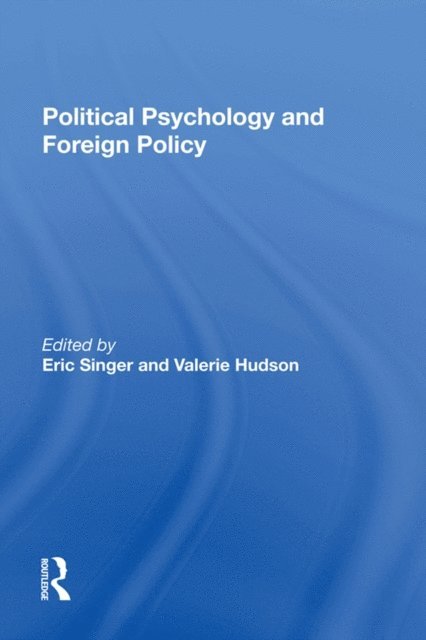
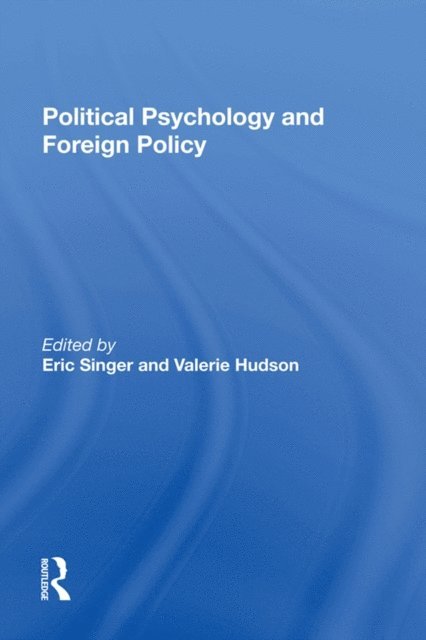
First published in 1992. One of the issues of particular interest to political psychologists centers around how foreign policy decisions are made. The psychological phenomena that political psychologists examine have to do with how individuals perceive, interpret, feel about, an d react to their environment. The political factors have to do with the activities involved in governing or the making of public policy— that is, with how the material and human resources of a collectivity are allocated. The research presented in this volume addresses 6 key questions that link psychological and political processes, and the chapters are organized a round three conceptual clusters: perception studies, personality studies, and studies of group dynamics.
669 kr
Läs direkt efter köp
First published in 1992. One of the issues of particular interest to political psychologists centers around how foreign policy decisions are made. The psychological phenomena that political psychologists examine have to do with how individuals perceive, interpret, feel about, an d react to their environment. The political factors have to do with the activities involved in governing or the making of public policy— that is, with how the material and human resources of a collectivity are allocated. The research presented in this volume addresses 6 key questions that link psychological and political processes, and the chapters are organized a round three conceptual clusters: perception studies, personality studies, and studies of group dynamics.
1 219 kr
Skickas inom 10-15 vardagar
439 kr
Skickas inom 10-15 vardagar
1 222 kr
Skickas inom 10-15 vardagar