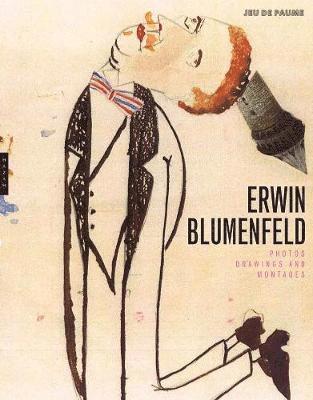
A revelatory book about the life and work of an important fashion photographer and artistErwin Blumenfeld (1897–1969) was one of the most influential photographers of the 20th century. His work offers a unique perspective on the society and politics of the 1930s through the 60s. Born in Berlin, Blumenfeld’s peripatetic career took him first to Amsterdam and then to Paris, where his work in fashion photography began at Vogue in 1938. After two years in a French concentration camp, he made his way to the United States and established himself as an eminent fashion photographer. Over one hundred of his photographs featured on the covers of prominent fashion and general interest magazines, including Vogue, Harper’s Bazaar, Life, Look, and Cosmopolitan. Often minimalist, mainly in color, these photographs testify to Blumenfeld’s lifelong interest in experimentation. This landmark publication broadens our understanding of Blumenfeld’s innovations, reuniting all the media used by the artist throughout his long career: drawing, photography, photomontage, and collage. The motifs of his experimental, sometimes overtly political, black-and-white photographs appear alongside numerous self-portraits and celebrity portraits, as well as the fashion photographs for which he is most known. Presenting some 150 images, this book provides a fresh understanding of Blumenfeld’s photography for the commercial worlds of fashion and advertising.Distributed for Editions Hazan, ParisExhibition Schedule:Jeu de Paume (10/15/13–01/26/14)
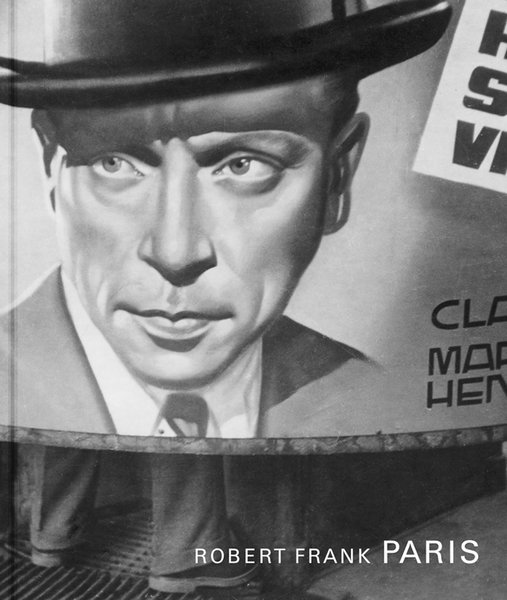
Paris – A Short Return is the first time that the significant body of photographs which Robert Frank made in Paris in the early 1950s have been brought together in a single book. His visit to Paris in 1951 was his second return to Europe after he had settled in New York City in 1947 and some of the images he made during that visit have become iconic in the history of the medium. The 80 photographs selected by Robert Frank and Ute Eskildsen suggest that Frank’s experience of the “new world” had sharpened his eye for European urbanism. He saw the city’s streets as a stage for human activity and focused particularly on the flower sellers. His work clearly references Atget and invokes the tradition of the flaneur.