458 kr
Skickas
458 kr
Skickas
424 kr
Skickas inom 7-10 vardagar
2 455 kr
Skickas inom 10-15 vardagar
676 kr
Skickas inom 10-15 vardagar
790 kr
Läs direkt efter köp
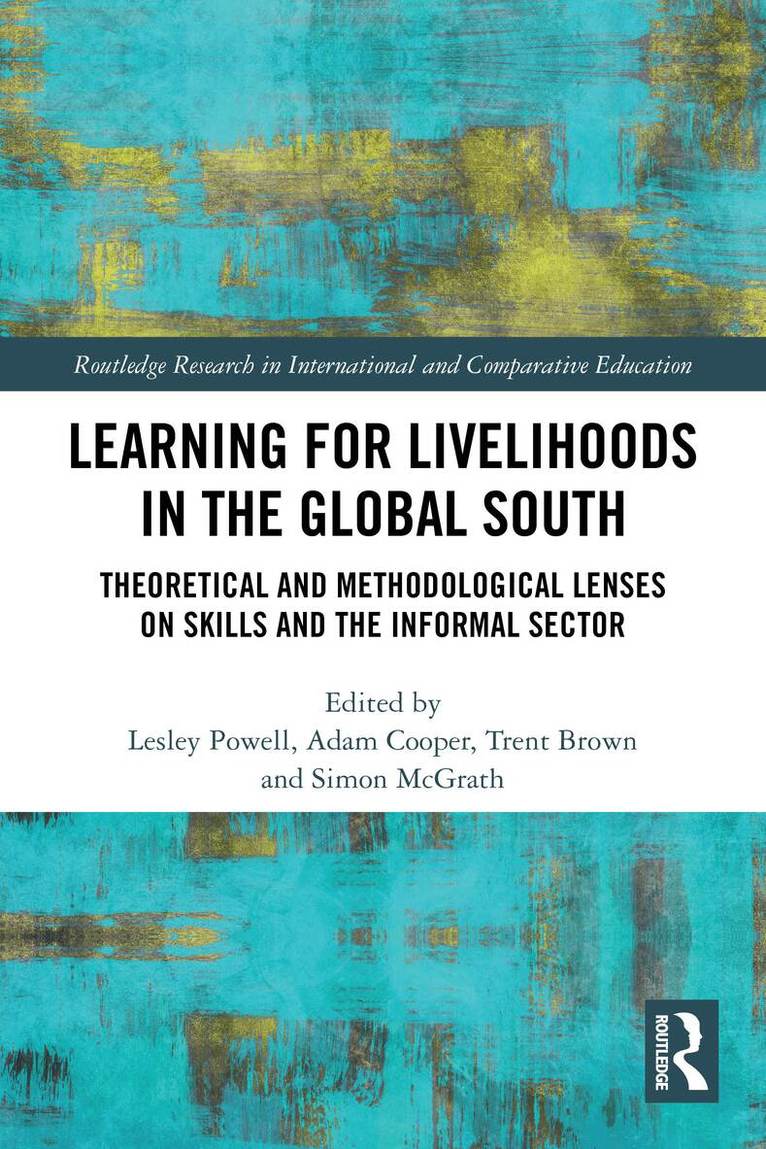
This edited volume explores how youth and informal sector workers in the Global South are pioneering learning and livelihoods that exist at the intersections of, and beyond, the boundaries of the state, market, and other formal institutions.
Underpinned by research undertaken in the Global South, this book discusses how we might better theorise, conceptualise, and critique what skills and vocational education and training mean for young people with diverse livelihoods - people who rely substantially on the informal and social economy. Rather than envisioning education and skills as oriented towards profit-making or increased productivity, chapters offer fresh perspectives that move beyond the dominant neoliberal and human capital orthodoxies. This book features chapters that are global in approach, uses case studies from contexts as diverse as India, South Africa, West Africa, and Colombia, and focuses on how education can be used to empower people, strengthen livelihoods, and expand human agency, skills, personal growth, and the capability for voice.
Issuing a clarion call, it appeals for recognition of the ways in which learning, working, and living take place in the informal sector in the Global South, arguing that this matters for the vast majority of the world’s population. This book will be of relevance to scholars, academics, and postgraduate students in vocational education and training, skills development, the informal sector, international and comparative education, international development, and adult education.
808 kr
Läs direkt efter köp
This edited volume explores how youth and informal sector workers in the Global South are pioneering learning and livelihoods that exist at the intersections of, and beyond, the boundaries of the state, market, and other formal institutions.
Underpinned by research undertaken in the Global South, this book discusses how we might better theorise, conceptualise, and critique what skills and vocational education and training mean for young people with diverse livelihoods - people who rely substantially on the informal and social economy. Rather than envisioning education and skills as oriented towards profit-making or increased productivity, chapters offer fresh perspectives that move beyond the dominant neoliberal and human capital orthodoxies. This book features chapters that are global in approach, uses case studies from contexts as diverse as India, South Africa, West Africa, and Colombia, and focuses on how education can be used to empower people, strengthen livelihoods, and expand human agency, skills, personal growth, and the capability for voice.
Issuing a clarion call, it appeals for recognition of the ways in which learning, working, and living take place in the informal sector in the Global South, arguing that this matters for the vast majority of the world’s population. This book will be of relevance to scholars, academics, and postgraduate students in vocational education and training, skills development, the informal sector, international and comparative education, international development, and adult education.
1 022 kr
Läs direkt efter köp
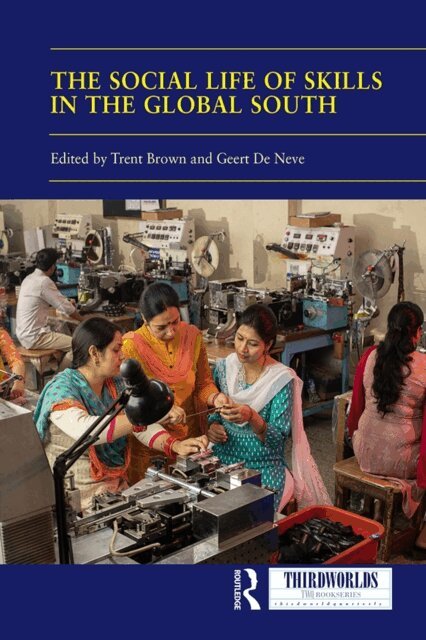
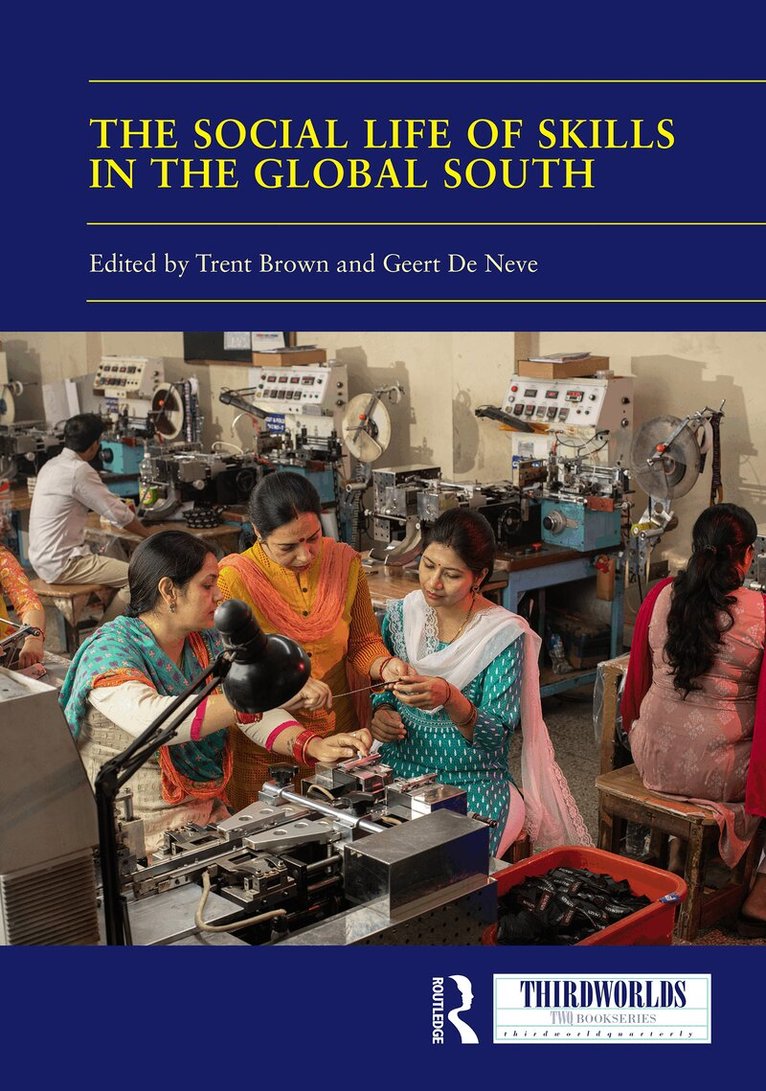
This book expands understandings of how skills are defined, acquired, and utilized in Global South contexts. ‘Skills’ and ‘skill development’ are increasingly prominent focal points for governments in the Global South and international development bodies. Yet, policymakers and practitioners promoting skill development often overlook the everyday realities of how skills are learned and acquired, and how they are deployed and valued by individuals and communities. Frequently, they ignore the social and institutional barriers that prevent people from using their skills in meaningful or remunerative ways.
By focusing on the ‘the social life of skills’, the chapters in this volume invite a broader conceptualization of skills, their development, and their application in Global South contexts. They explore four main areas of theorization and practice:
1. The social and political processes by which certain types of work – and people – are labeled as ‘skilled’ or ‘unskilled.’
2. The different ways people acquire skills: formal, informal, and nonformal.
3. The political economy of skills and skill development and their imbrication in forms of exploitation and intersecting inequalities.
4. The role of skills in the expression of aspirations, identities, and agency.
This book will appeal to students and researchers in the fields of development studies, sociology, anthropology, education, and labor studies, particularly those focusing on the Global South. It will also appeal to policymakers, practitioners, and development organizations working on skill development and vocational training.
The chapters in this book were originally published as a special issue of Third World Quarterly.
2 515 kr
Skickas inom 10-15 vardagar
707 kr
Skickas inom 10-15 vardagar
1 177 kr
Skickas inom 11-20 vardagar
1 347 kr
Läs direkt efter köp
794 kr
Skickas inom 7-10 vardagar
288 kr
Skickas inom 7-10 vardagar
326 kr
Läs direkt efter köp
1 060 kr
Skickas inom 10-15 vardagar
A 21st Century Renewal of Physical, Health,Environment and Outdoor Education
1 418 kr
Läs direkt efter köp
1 064 kr
Skickas inom 10-15 vardagar
585 kr
Tillfälligt slut