Taylor & Francis Ltd
21 666 kr
Skickas inom 10-15 vardagar
Taylor & Francis Ltd
21 666 kr
Skickas inom 10-15 vardagar
2 691 kr
Skickas inom 10-15 vardagar
878 kr
Skickas inom 10-15 vardagar
3 005 kr
Skickas inom 10-15 vardagar
1 949 kr
Skickas inom 10-15 vardagar
588 kr
Skickas inom 7-10 vardagar
2 135 kr
Skickas inom 7-10 vardagar
2 446 kr
Läs direkt efter köp
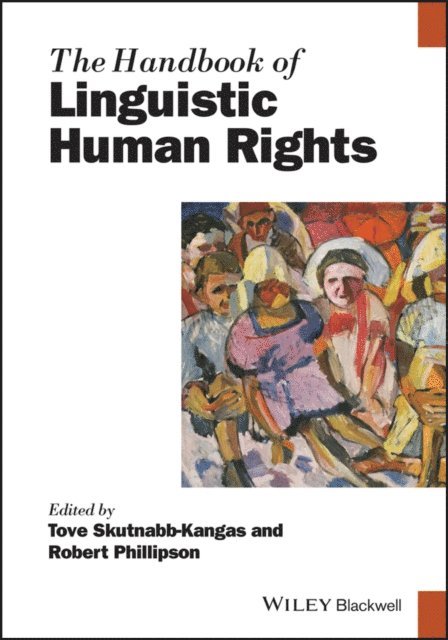
A groundbreaking new work that sheds light on case studies of linguistic human rights around the world, raising much-needed awareness of the struggles of many peoples and communities
The first book of its kind, the Handbook of Linguistic Human Rights presents a diverse range of theoretically grounded studies of linguistic human rights, exemplifying what linguistic justice is and how it might be achieved. Through explorations of ways in which linguistic human rights are understood in both national and international contexts, this innovative volume demonstrates how linguistic human rights are supported or violated on all continents, with a particular focus on the marginalized languages of minorities and Indigenous peoples, in industrialized countries and the Global South.
Organized into five parts, this volume first presents approaches to linguistic human rights in international and national law, political theory, sociology, economics, history, education, and critical theory. Subsequent sections address how international standards are promoted or impeded and cross-cutting issues, including translation and interpreting, endangered languages and the internet, the impact of global English, language testing, disaster situations, historical amnesia, and more. This essential reference work:
Explores approaches to linguistic human rights in countries of great demographic diversity and conflict Covers cases of linguistic human rights in the Americas, China, Europe, North Africa, India, Nepal and New Zealand, including international minorities, such as the Kurds and the Roma, and the Deaf worldwide. Illustrates how education worldwide has often blocked off minority languages by not offering mother-tongue medium education Presents and assesses conventions, declarations, and recommendations that recognize the rights of Indigenous peoples and minorities. Includes a selection of short texts that present additional existential evidence of linguistic human rights.Edited by two renowned leaders in the field, the Handbook of Linguistic Human Rights is an ideal resource for undergraduate and graduate students of language and law, sociolinguistics, applied linguistics, language policy, language education, indigenous studies, language rights, human rights, and globalization.
671 kr
Läs direkt efter köp
A groundbreaking new work that sheds light on case studies of linguistic human rights around the world, raising much-needed awareness of the struggles of many peoples and communities
The first book of its kind, the Handbook of Linguistic Human Rights presents a diverse range of theoretically grounded studies of linguistic human rights, exemplifying what linguistic justice is and how it might be achieved. Through explorations of ways in which linguistic human rights are understood in both national and international contexts, this innovative volume demonstrates how linguistic human rights are supported or violated on all continents, with a particular focus on the marginalized languages of minorities and Indigenous peoples, in industrialized countries and the Global South.
Organized into five parts, this volume first presents approaches to linguistic human rights in international and national law, political theory, sociology, economics, history, education, and critical theory. Subsequent sections address how international standards are promoted or impeded and cross-cutting issues, including translation and interpreting, endangered languages and the internet, the impact of global English, language testing, disaster situations, historical amnesia, and more. This essential reference work:
Explores approaches to linguistic human rights in countries of great demographic diversity and conflict Covers cases of linguistic human rights in the Americas, China, Europe, North Africa, India, Nepal and New Zealand, including international minorities, such as the Kurds and the Roma, and the Deaf worldwide. Illustrates how education worldwide has often blocked off minority languages by not offering mother-tongue medium education Presents and assesses conventions, declarations, and recommendations that recognize the rights of Indigenous peoples and minorities. Includes a selection of short texts that present additional existential evidence of linguistic human rights.Edited by two renowned leaders in the field, the Handbook of Linguistic Human Rights is an ideal resource for undergraduate and graduate students of language and law, sociolinguistics, applied linguistics, language policy, language education, indigenous studies, language rights, human rights, and globalization.
2 222 kr
Läs direkt efter köp
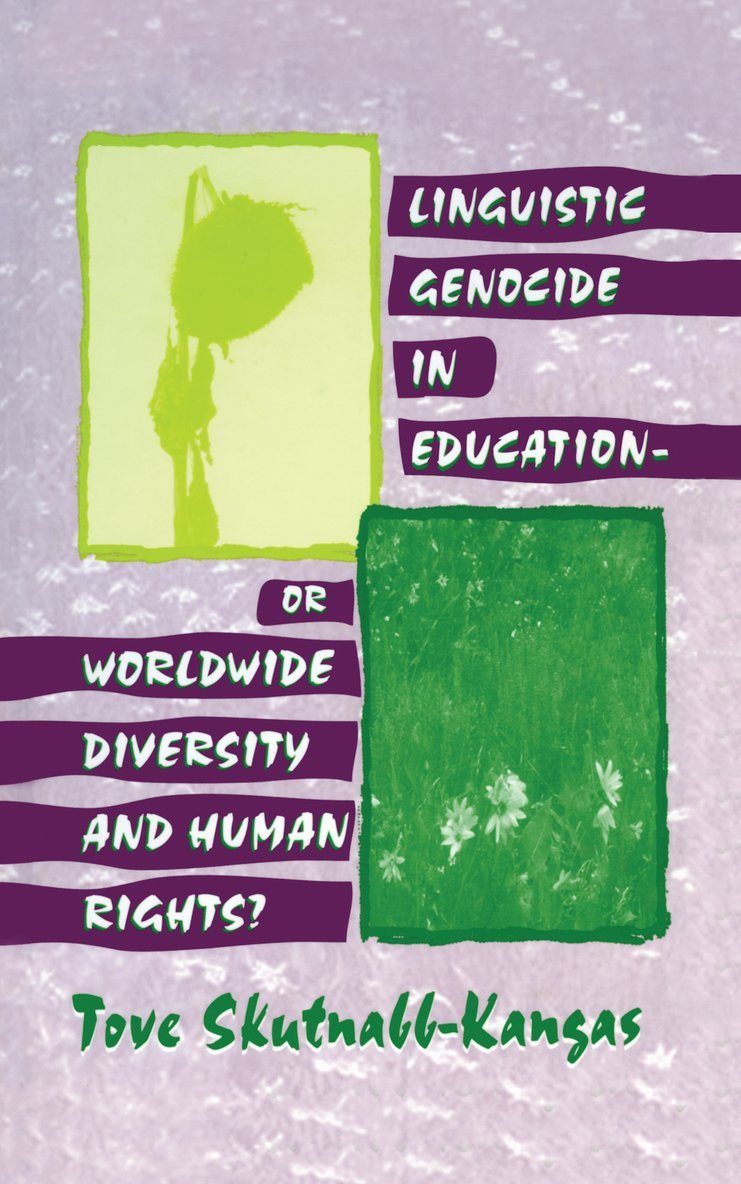
In this powerful, multidisciplinary book, Tove Skutnabb-Kangas shows how most indigenous and minority education contributes to linguistic genocide according to United Nations definitions. Theory is combined with a wealth of factual encyclopedic information and with many examples and vignettes. The examples come from all parts of the world and try to avoid Eurocentrism. Oriented toward theory and practice, facts and evaluations, and reflection and action, the book prompts readers to find information about the world and their local contexts, to reflect and to act. A Web site with additional resource materials to this book can be found at http://www.ruc.dk/~tovesk/
2 273 kr
Läs direkt efter köp
In this powerful, multidisciplinary book, Tove Skutnabb-Kangas shows how most indigenous and minority education contributes to linguistic genocide according to United Nations definitions. Theory is combined with a wealth of factual encyclopedic information and with many examples and vignettes. The examples come from all parts of the world and try to avoid Eurocentrism. Oriented toward theory and practice, facts and evaluations, and reflection and action, the book prompts readers to find information about the world and their local contexts, to reflect and to act. A Web site with additional resource materials to this book can be found at http://www.ruc.dk/~tovesk/
1 064 kr
Läs direkt efter köp
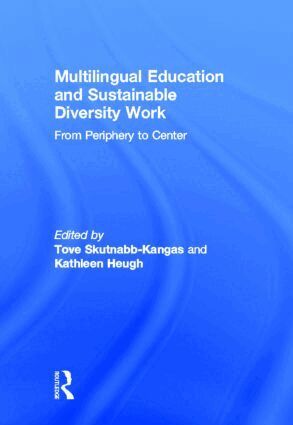
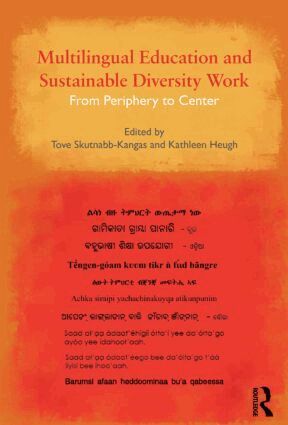
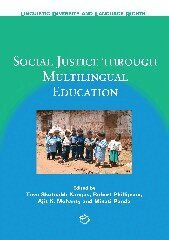
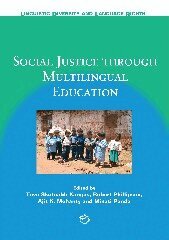
This very original, inspirational book globalises our understanding of languages in education and changes our understanding of bilingual and multilingual education from something mostly western to being truly transnational: it spotlights the small, celebrates African and Asian cases of multilingual classrooms and demonstrates that such education is universally successful.
Colin R. Baker, Pro Vice-Chancellor, Bangor University, Bangor, Wales, UK
A norm-setting work on multilingual education, which combines theoretical perspectives with practical experience from different parts of the globe, this book demonstrates convincingly not only that multilingual education works, but also that, for most developing countries, there is no viable alternative.
Ayo Bamgbose, Professor Emeritus, University of Ibadan, Nigeria
This excellent volume brings to light the fascinating lived experiences of multilingual education in linguistically rich but resource impoverished countries, and offers important lessons from which we can all learn.
Amy B. M. Tsui, Professor , Pro Vice-Chancellor & Vice President, The University of Hong Kong, Hong Kong
This is a book of hope and inspiration. Documenting the significant shift that is taking place in countries around the world in the status and legitimacy of mother tongue-based multilingual education, it represents a giant step towards a "tipping point" where mother tongue-based multilingual education will be normalized as the preferred and, in fact, common sense option for educating the children of the world.
Jim Cummins, The University of Toronto, Canada
This important book challenges us to think about multilingual education from a different angle––this time putting the periphery at the center. The effect is one of destabilizing old visions and imagining new worlds where multilingual education provides the backdrop for generous understandings of all peoples.
Ofelia GarcÃa, Program in Urban Education, Graduate Center/The City University of New York, USA
There are regrettably few detailed accounts of successful elementary school instruction in the pupils'' home language, which makes this book with its surprising examples (especially Ethiopia and Nepal but other third world cases) so relevant. Students of language education policy will learn a great deal about the possibility of multilingual education from the chapters of this important book.
Bernard Spolsky, Professor Emeritus, Bar-Ilan University, Israel
At least half of today’s languages are marginalised and endangered and the attention of the world needs to be focused on these minor and minority languages together with the value of multilingualism. If the book succeeds in enhancing the consciousness of the world towards predicaments of the third world, then its efforts will have been amply rewarded.
Debi Prasanna Pattanayak, Former Director, Central Institute of Indian Languages, India
Drawing on the most powerful and compelling research data to date and connecting this research to linguistic human rights, this book explores the conditions and practices of robust bilingual and multilingual educational innovations in both system-wide and minority-settings and what it is that makes these viable. It demonstrates how, in countries where educational practices are inclusive of linguistic diversity and responsive to local conditions and community participation, implementation of bilingual education even within limited budgetary investment can be successful.
1 088 kr
Läs direkt efter köp
This very original, inspirational book globalises our understanding of languages in education and changes our understanding of bilingual and multilingual education from something mostly western to being truly transnational: it spotlights the small, celebrates African and Asian cases of multilingual classrooms and demonstrates that such education is universally successful.
Colin R. Baker, Pro Vice-Chancellor, Bangor University, Bangor, Wales, UK
A norm-setting work on multilingual education, which combines theoretical perspectives with practical experience from different parts of the globe, this book demonstrates convincingly not only that multilingual education works, but also that, for most developing countries, there is no viable alternative.
Ayo Bamgbose, Professor Emeritus, University of Ibadan, Nigeria
This excellent volume brings to light the fascinating lived experiences of multilingual education in linguistically rich but resource impoverished countries, and offers important lessons from which we can all learn.
Amy B. M. Tsui, Professor , Pro Vice-Chancellor & Vice President, The University of Hong Kong, Hong Kong
This is a book of hope and inspiration. Documenting the significant shift that is taking place in countries around the world in the status and legitimacy of mother tongue-based multilingual education, it represents a giant step towards a "tipping point" where mother tongue-based multilingual education will be normalized as the preferred and, in fact, common sense option for educating the children of the world.
Jim Cummins, The University of Toronto, Canada
This important book challenges us to think about multilingual education from a different angle––this time putting the periphery at the center. The effect is one of destabilizing old visions and imagining new worlds where multilingual education provides the backdrop for generous understandings of all peoples.
Ofelia GarcÃa, Program in Urban Education, Graduate Center/The City University of New York, USA
There are regrettably few detailed accounts of successful elementary school instruction in the pupils'' home language, which makes this book with its surprising examples (especially Ethiopia and Nepal but other third world cases) so relevant. Students of language education policy will learn a great deal about the possibility of multilingual education from the chapters of this important book.
Bernard Spolsky, Professor Emeritus, Bar-Ilan University, Israel
At least half of today’s languages are marginalised and endangered and the attention of the world needs to be focused on these minor and minority languages together with the value of multilingualism. If the book succeeds in enhancing the consciousness of the world towards predicaments of the third world, then its efforts will have been amply rewarded.
Debi Prasanna Pattanayak, Former Director, Central Institute of Indian Languages, India
Drawing on the most powerful and compelling research data to date and connecting this research to linguistic human rights, this book explores the conditions and practices of robust bilingual and multilingual educational innovations in both system-wide and minority-settings and what it is that makes these viable. It demonstrates how, in countries where educational practices are inclusive of linguistic diversity and responsive to local conditions and community participation, implementation of bilingual education even within limited budgetary investment can be successful.
485 kr
Skickas inom 7-10 vardagar
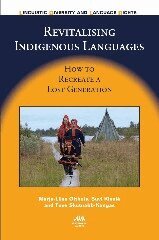
How to Recreate a Lost Generation
485 kr
Skickas inom 7-10 vardagar
How to Recreate a Lost Generation
1 665 kr
Skickas inom 7-10 vardagar
416 kr
Skickas inom 7-10 vardagar
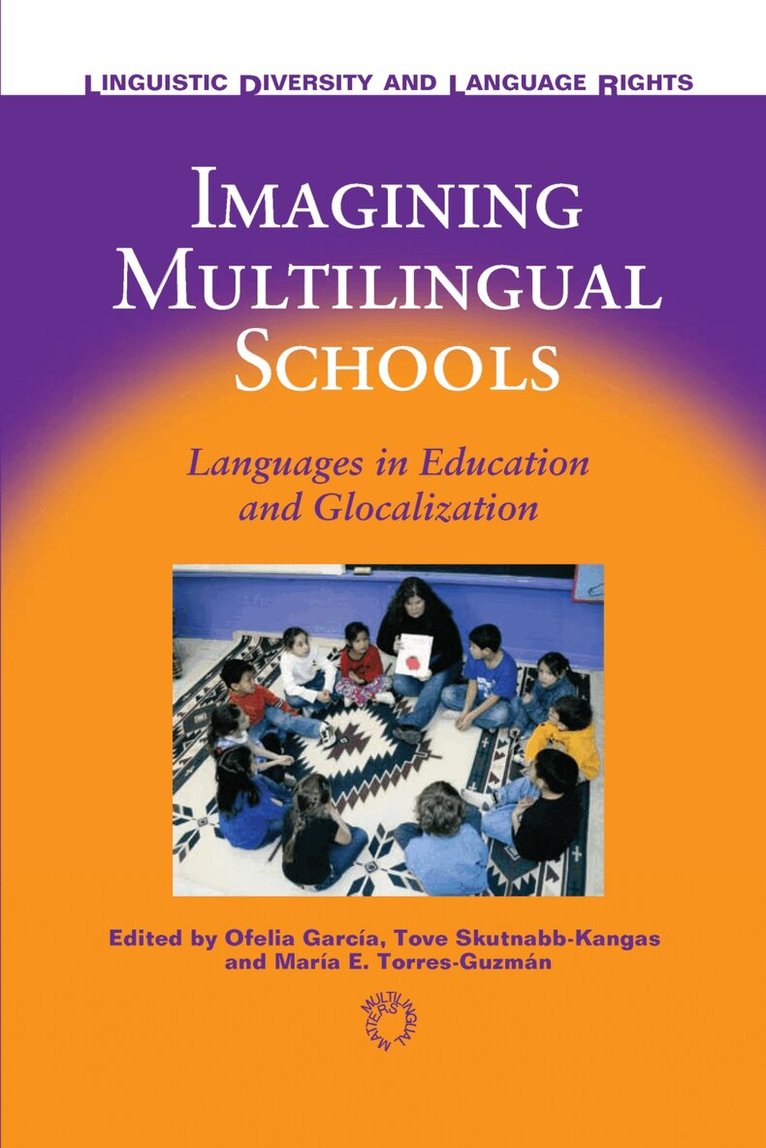
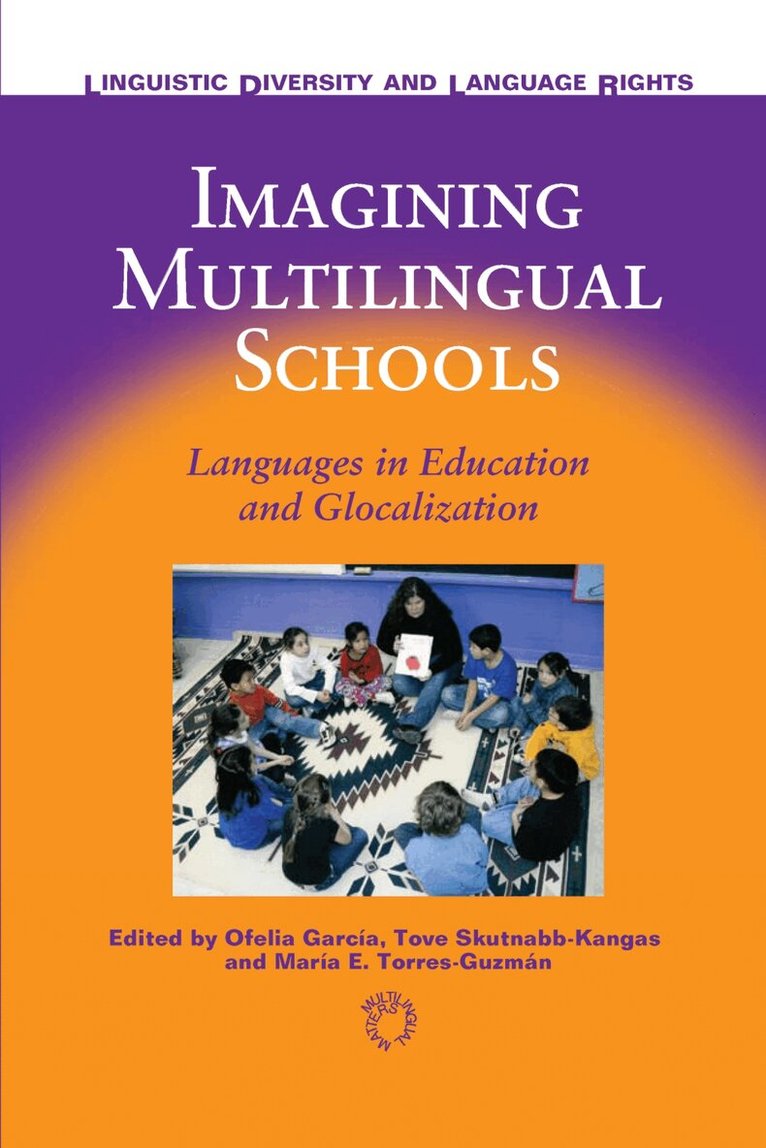
Languages in Education and Glocalization
482 kr
Skickas inom 7-10 vardagar
2 386 kr
Skickas inom 7-10 vardagar
816 kr
Skickas inom 7-10 vardagar
2 182 kr
Läs direkt efter köp
1 429 kr
Tillfälligt slut
Languages in Education and Glocalization
1 439 kr
Tillfälligt slut