Värdeskapande projektledning är en grundlig introduktion till projektledning där alla de viktiga temana och teorierna presenteras. Boken kombinerar forskning och teori med praktik och presenterar både etablerade teorier och modeller och moderna goda exempel. Läsaren får en god insikt om hur man genomför projekt i en komplex och osäker verklighet präglad av många aktörer, förhandlingar och ständig förändring.
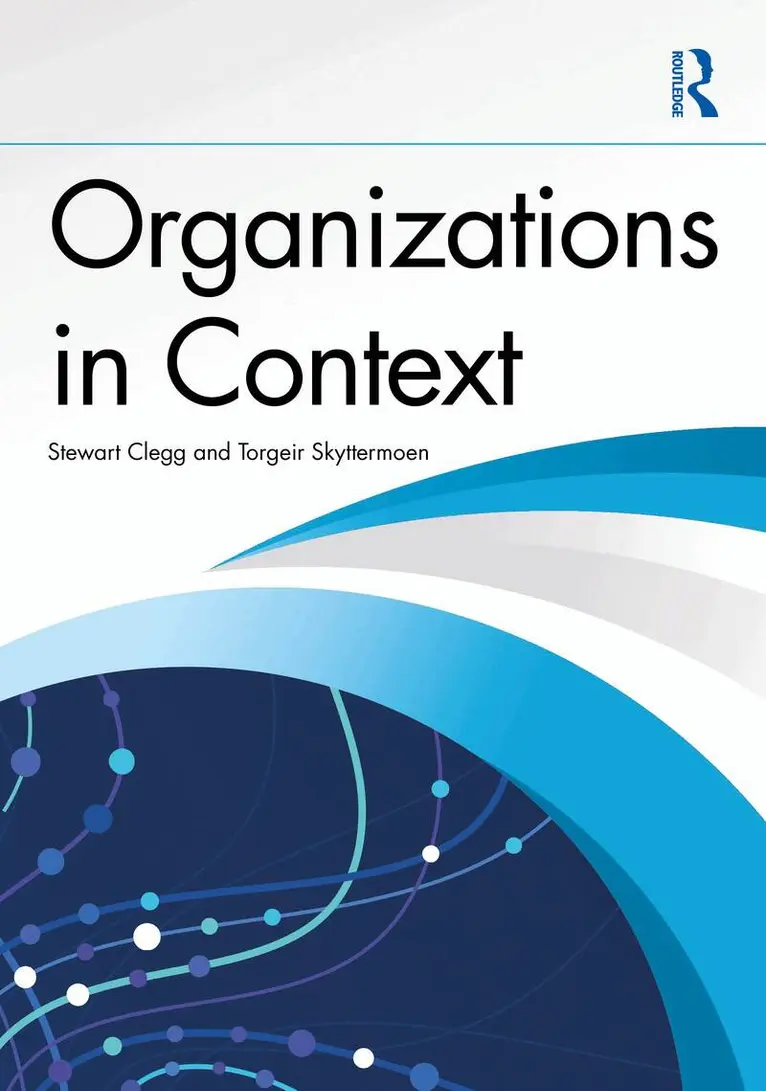
This comprehensive textbook offers an up-to-date account of how organizations function in a rapidly changing world. Designed as a practical and accessible guide, it combines theoretical insights with real-world applications while presenting organizations as complex social systems shaped by people, culture, power and context.It introduces key questions such as:• What are organizations and why do they exist?• How do they define goals and strategies?• How are they structured and led?• How do people, culture and identity shape organizational life?• How do organizations interact with their environments?Chapters feature a range of thoughtfully designed learning tools, such as case studies, reflection boxes, in-depth features and paradox boxes that encourage students to explore tensions, dilemmas and competing perspectives in organizational life. Readers benefit from diverse examples drawn from global contexts and sustained attention to contemporary challenges such as digitalization, sustainability, legitimacy and organizational change.This textbook provides a strong foundation in organization theory and organizational behavior while developing the analytical and critical skills needed to understand and engage with contemporary organizations. Comprehensive online resources, including PowerPoint slides, flashcards and quizzes, are available at www.routledge.com/cw/skyttermoen.
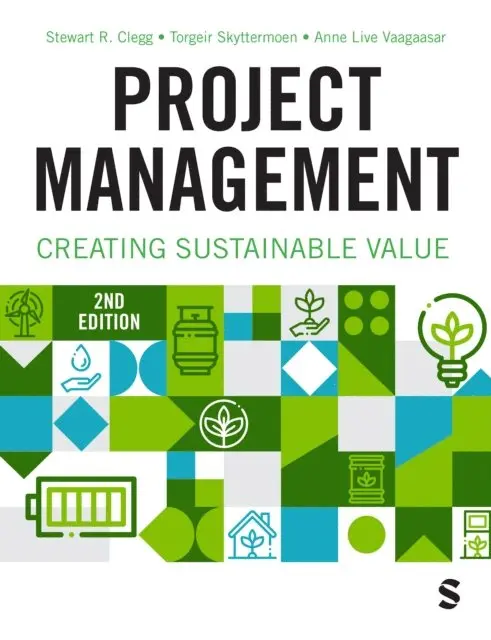
Project management is an essential life and workplace skill that everyone must develop. Following the popular style and format of other textbooks by Stewart Clegg, this brand new co-authored textbook on project management provides a much needed European perspective to the subject. Drawing on the latest research and practice, the authors guide students on an active learning journey through the project lifespan, promoting a critical and reflexive approach to studying project management, as well as one that creates value for all project stakeholders and emphasizes people and not just process. Case studies and examples discussed in the text cover a wide range of projects from large to smaller across different industries and sectors, both public and private, including: megaprojects (HS2); mega events (Olympics); political projects (Brexit); health-related project implementation (LEAN); tech-related projects (Google); building and restoration projects (housing/Sagrada Familia); and arts and cultural projects (European Capital of Culture). Incorporating a host of learning features both in chapters and via the supporting online resources, this textbook is essential reading for all students/managers completing a course unit in project management at either undergraduate or postgraduate level.
The second edition of this comprehensive textbook has been fully revised and updated, streamlining chapters and ensuring accessibility. Sustainability is now at the core of this textbook, showing students how projects can achieve success and create value for all stakeholders, ensuring projects for people, planet and prosperity. Key features of this edition include: • Sustainability Development Goal icons throughout highlighting where topics related to sustainability are covered. • New and expanded coverage of agile approaches, remote working, digitalisation, artificial intelligence and Industry 4.0. • Over 100 case studies from across different industries and countries such as Spain, Denmark, Qatar, Kenya, South Africa, Australia and Brazil. With an array of pedagogical features and complemented by supplementary online resources, this textbook is essential reading for students and managers undertaking a project management course at either the undergraduate or postgraduate level.