592 kr
Skickas inom 7-10 vardagar
592 kr
Skickas inom 7-10 vardagar
585 kr
Läs direkt efter köp
Since Singapore declared independence from Malaysia in 1965, Chinese street opera has played a significant role in defining Singaporean identity. Carefully tracing the history of amateur and professional performances in Singapore, Tong Soon Lee reflects on the role of street performance in fostering cultural nationalism and entrepreneurship. He explains that the government welcomes Chinese street opera performances because they combine tradition and modernism and promote a national culture that brings together Singapore''s four main ethnic groups--Eurasian, Malay, Chinese, and South Asian.
Chinese Street Opera in Singapore documents the ways in which this politically motivated art form continues to be influenced and transformed by Singaporean politics, ideology, and context in the twenty-first century. By performing Chinese street opera, amateur troupes preserve their rich heritage, underscoring the Confucian mind-set that a learned person engages in the arts for moral and unselfish purposes. Educated performers also control behavior, emotions, and values. They are creative and innovative, and their use of new technologies indicates a modern, entrepreneurial spirit. Their performances bring together diverse ethnic groups to watch and perform, Lee argues, while also encouraging a national attitude focused on both remembering the past and preparing for the future in Singapore.

754 kr
Skickas inom 10-15 vardagar
3 962 kr
Skickas inom 10-15 vardagar
868 kr
Läs direkt efter köp
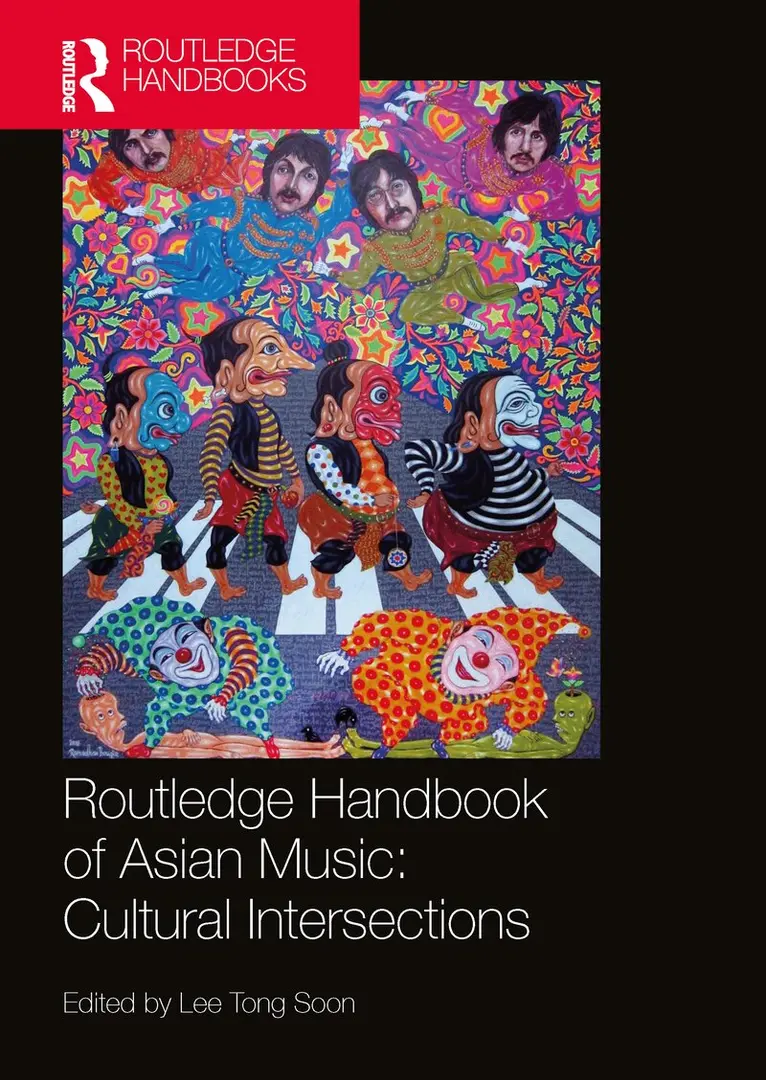
The Routledge Handbook of Asian Music: Cultural Intersections introduces Asian music as a way to ask questions about what happens when cultures converge and how readers may evaluate cultural junctures through expressive forms.
The volume’s thirteen original chapters cover musical practices in historical and modern contexts from Central Asia, East Asia, South Asia, and Southeast Asia, including art music traditions, folk music and composition, religious and ritual music, as well as popular music. These chapters showcase the diversity of Asian music, requiring readers to constantly reconsider their understanding of this vibrant and complex area. The book is divided into three sections:
Locating meanings
Boundaries and difference
Cultural flows
Contributors to the book offer a multidisciplinary portfolio of methods, ranging from archival research and field ethnography to biographical studies and music analysis. In addition to rich illustrations, numerous samples of notation and sheet music are featured as insightful study resources. Readers are invited to study individuals, music-makers, listeners, and viewers to learn about their concerns, their musical choices, and their lives through a combination of humanistic and social-scientific approaches.
Demonstrating how transformative cultural differences can become in intercultural encounters, this book will appeal to students and scholars of musicology, ethnomusicology, and anthropology.
846 kr
Läs direkt efter köp
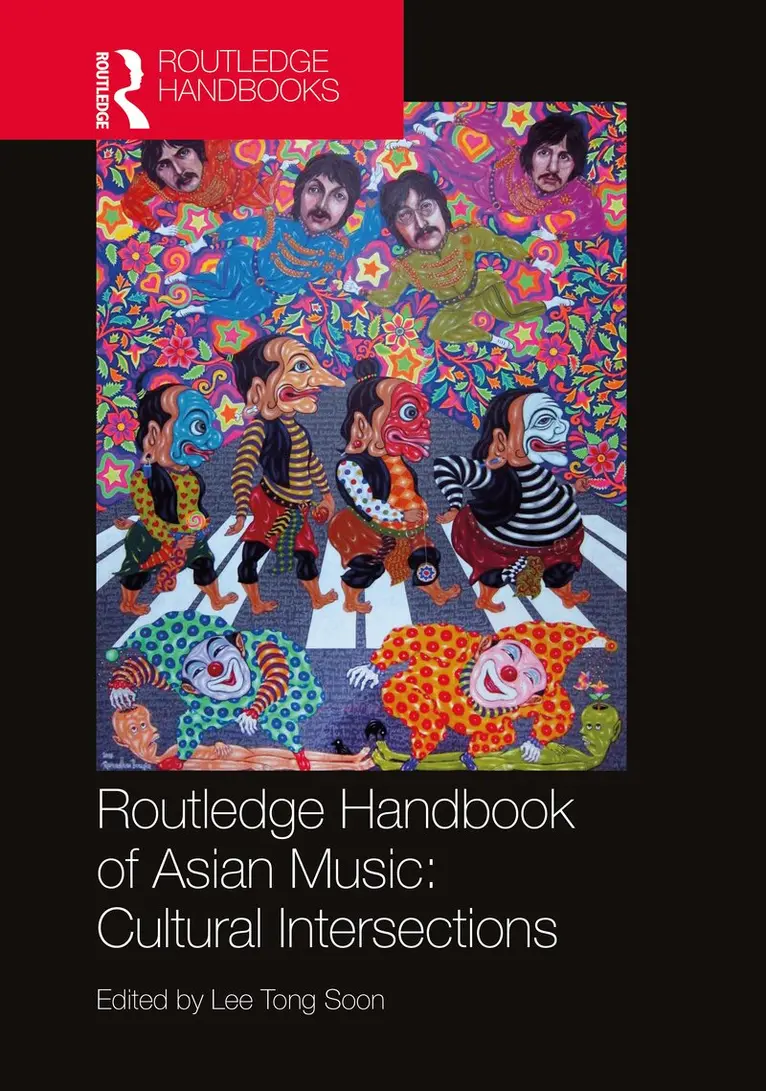
The Routledge Handbook of Asian Music: Cultural Intersections introduces Asian music as a way to ask questions about what happens when cultures converge and how readers may evaluate cultural junctures through expressive forms.
The volume’s thirteen original chapters cover musical practices in historical and modern contexts from Central Asia, East Asia, South Asia, and Southeast Asia, including art music traditions, folk music and composition, religious and ritual music, as well as popular music. These chapters showcase the diversity of Asian music, requiring readers to constantly reconsider their understanding of this vibrant and complex area. The book is divided into three sections:
Locating meanings
Boundaries and difference
Cultural flows
Contributors to the book offer a multidisciplinary portfolio of methods, ranging from archival research and field ethnography to biographical studies and music analysis. In addition to rich illustrations, numerous samples of notation and sheet music are featured as insightful study resources. Readers are invited to study individuals, music-makers, listeners, and viewers to learn about their concerns, their musical choices, and their lives through a combination of humanistic and social-scientific approaches.
Demonstrating how transformative cultural differences can become in intercultural encounters, this book will appeal to students and scholars of musicology, ethnomusicology, and anthropology.