586 kr
Skickas inom 7-10 vardagar
586 kr
Skickas inom 7-10 vardagar
1 610 kr
Skickas inom 7-10 vardagar
796 kr
Läs direkt efter köp
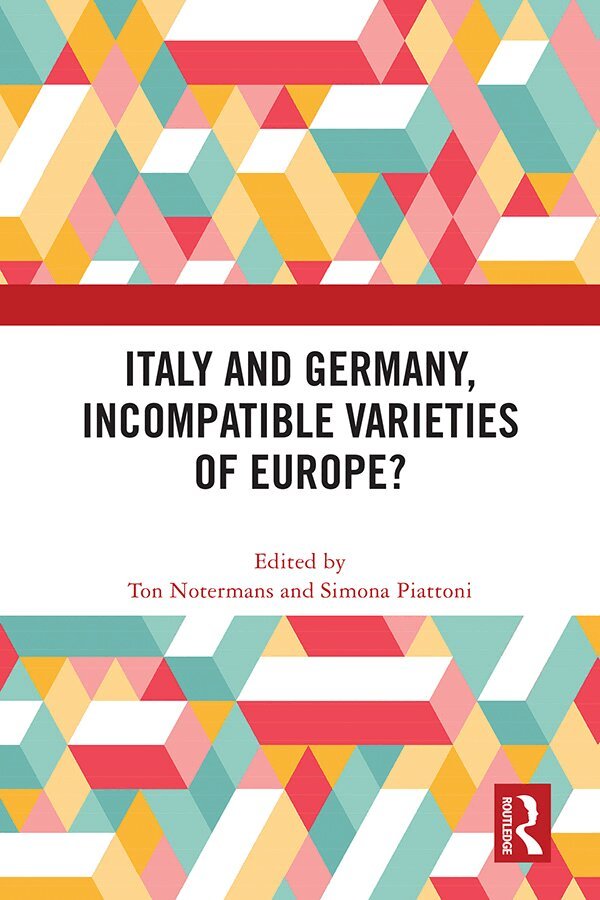
Can Italy and Germany thrive within the confines of the common currency, or do they display two fundamentally incompatible models? This book examines this question by means of detailed comparisons in the fields of labour market policies, welfare provisions and financial and economic management, since the onset of the financial crisis and through the euro and COVID-19 crises.
The rapid succession of the financial crisis, the Eurozone crisis and COVID-19 have again brought to the fore questions that have beset European integration since its inception; does the EU promote convergence or divergence? Have these crises served to reveal pre-existing politico-economic incompatibilities or were these incompatibilities created by the euro and the measures propounded by the Economic and Monetary Union (EMU)? Should EMU recipes be followed, or should they be fundamentally revised in an effort to come good on the convergence promises underpinning the European project? And, lastly, is the COVID-19 crisis likely to mitigate or exacerbate these problems? These questions are addressed in this volume by means of a tight comparison between Germany and Italy, two countries that have displayed strikingly divergent trajectories but also share many more politico-economic traits than the conventional wisdom would allow for. By exploring in detail how the main elements of the euro and EMU management have played out, the volume highlights the externalities that becoming part of a currency union has created and that strengthened the economic success of one while consolidating the decline of the other and analyses the likely impact of the measures introduced to fight the economic consequences of the COVID-19 pandemic.
The chapters in this book were originally published as a special issue of the journal, German Politics.
2 515 kr
Skickas inom 10-15 vardagar
692 kr
Skickas inom 10-15 vardagar
1 936 kr
Skickas inom 7-10 vardagar
1 908 kr
Skickas inom 7-10 vardagar
419 kr
Läs direkt efter köp
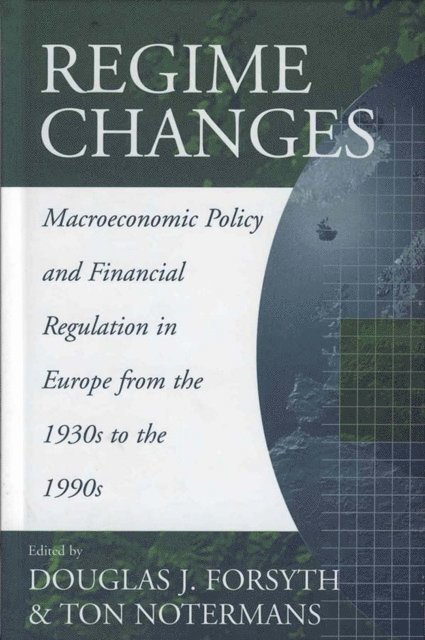
During the 1930s and 1940s, and again in the 1970s and 1980s, most European nations, indeed most industrial nations, undertook major changes in macroeconomic policy orientation and financial regulation. The contributors to this volume, historians, political scientists, and economists, identify the forces which drove these major policy shifts, and explore their implications for other areas of economic and social policy.