2 105 kr
Skickas inom 10-15 vardagar
2 105 kr
Skickas inom 10-15 vardagar
495 kr
Skickas inom 10-15 vardagar
572 kr
Läs direkt efter köp
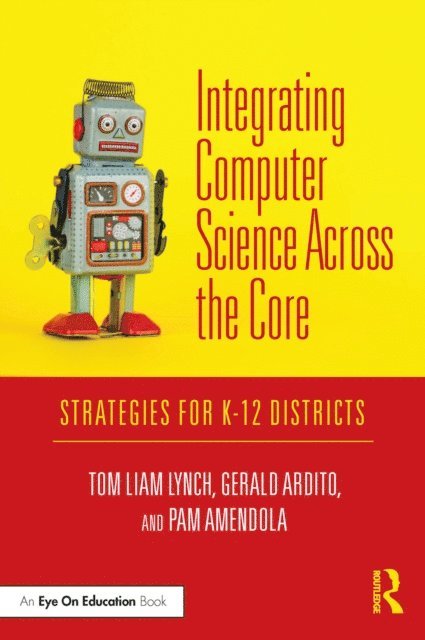
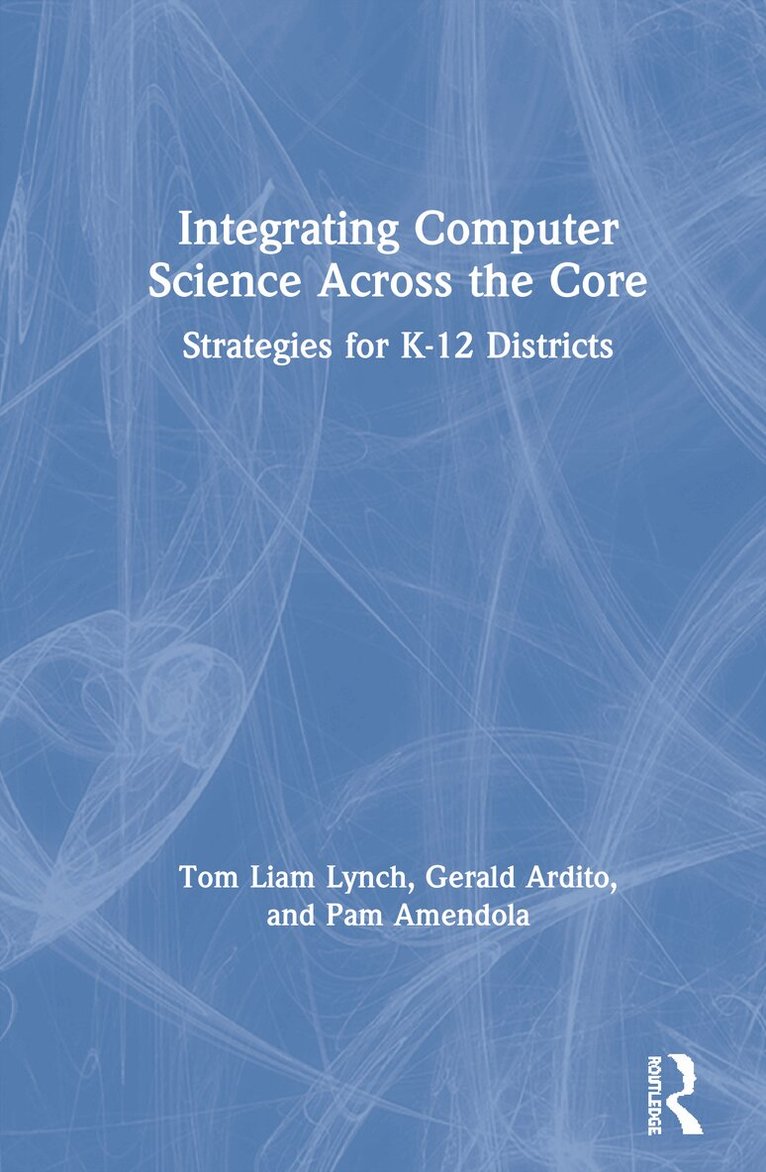
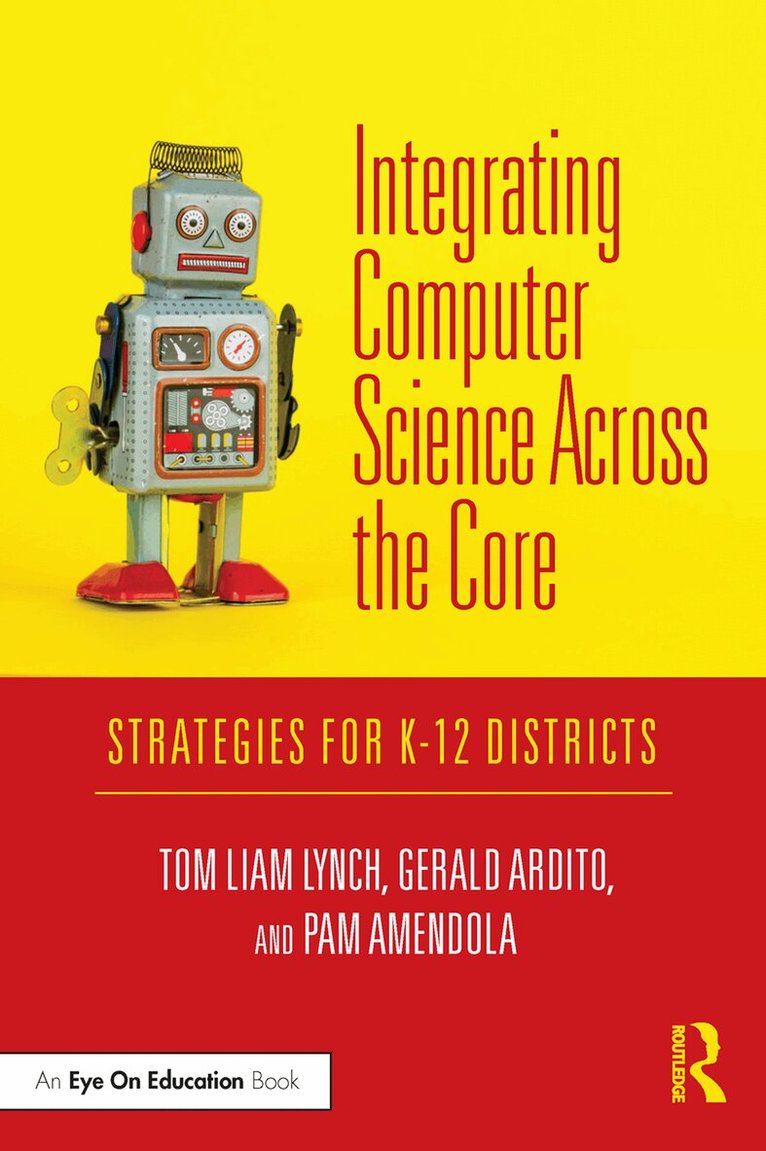
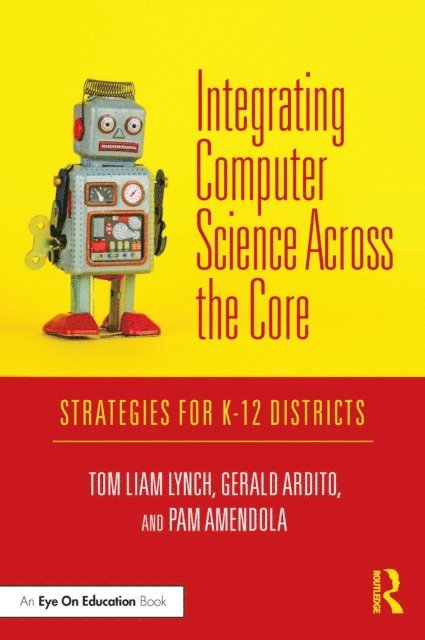
Integrating Computer Science Across the Core is a guide to systematizing computer science and computational thinking practices in your school. While most books explain how to teach computer science as a stand-alone discipline, this innovative approach will help you leverage your existing curriculum to deepen and expand students’ learning experiences in all content areas. Effective, equitable, and sustainable, this blueprint provides principals, curriculum directors, directors of technology, and other members of your school or district leadership team with suggested organizational structures, tips for professional learning, and key resources like planning instruments.
572 kr
Läs direkt efter köp
Integrating Computer Science Across the Core is a guide to systematizing computer science and computational thinking practices in your school. While most books explain how to teach computer science as a stand-alone discipline, this innovative approach will help you leverage your existing curriculum to deepen and expand students’ learning experiences in all content areas. Effective, equitable, and sustainable, this blueprint provides principals, curriculum directors, directors of technology, and other members of your school or district leadership team with suggested organizational structures, tips for professional learning, and key resources like planning instruments.
320 kr
Läs direkt efter köp
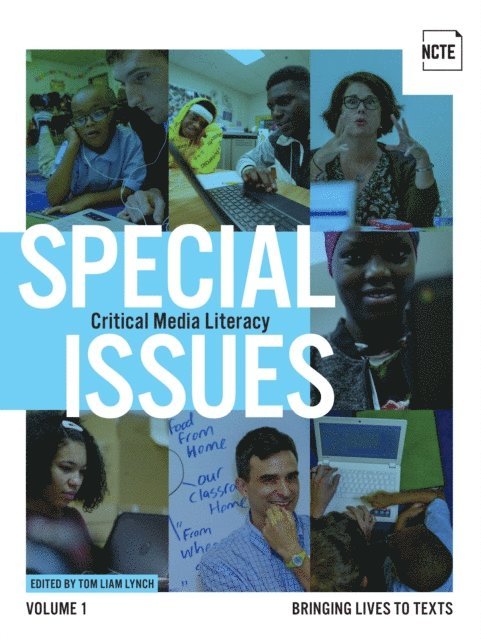
Edited by Tom Liam Lynch, this collection of essays drawn from NCTE’s many journals provides an excellent starting point for teachers who want to bring critical media literacy into their K-12 and college classrooms.
Critical media literacy is not a single star burning brightly in the night sky. It is more like a constellation, a collection of stars that tell a story about how educators engage with young people through an array of communicative modes in the spirit of inquiry, society, and action.
About the Special Issue series:Most teachers and students across the country are grappling with several important issues. We hear from many educators who are looking for compelling and engaging approaches racial literacy, critical media literacy, and trauma-informed teaching.
NCTE is responding to these needs with Special Issues, a series of books designed to directly address these pressing topics in K-12 and college classrooms today. The first volumes collect content on these topics from across all of NCTE’s journals in one place, to make the most relevant material accessible and practical.
Edited by expert practitioners in the field, each volume contains teaching tips to help implement these approaches in classrooms.
724 kr
Skickas inom 10-15 vardagar
2 478 kr
Skickas inom 10-15 vardagar
842 kr
Läs direkt efter köp
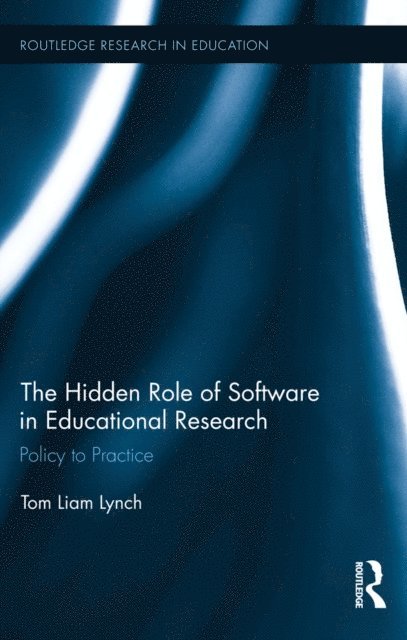
Educational research often discounts the uniqueness and ubiquity of software and the hidden political, economic and epistemological ways it impacts teaching and learning in K-12 settings. Drawing on theories and methodologies from English education, critical discourse analysis, multimodal semiotics and digital humanities, this volume exposes the problems of technology in schools and refocuses the conversation on software. This shifting of focus invites more nuanced questions concerning the role of software in school reform and classroom instruction, and takes a critical stance on software’s role in education.
This volume explores the ontology of software and the ways it is construed within educational policy discussions. It is beneficial to schools, companies, policy makers and practitioners seeking a more theoretical framework for technology in education.
836 kr
Läs direkt efter köp
Educational research often discounts the uniqueness and ubiquity of software and the hidden political, economic and epistemological ways it impacts teaching and learning in K-12 settings. Drawing on theories and methodologies from English education, critical discourse analysis, multimodal semiotics and digital humanities, this volume exposes the problems of technology in schools and refocuses the conversation on software. This shifting of focus invites more nuanced questions concerning the role of software in school reform and classroom instruction, and takes a critical stance on software’s role in education.
This volume explores the ontology of software and the ways it is construed within educational policy discussions. It is beneficial to schools, companies, policy makers and practitioners seeking a more theoretical framework for technology in education.