Taking into consideration the variety of information being created, produced, and published, the acquisition and archiving of e-resources by digital libraries is rapidly increasing. As such, managing the rights to these resources is imperative. The Handbook of Research on Managing Intellectual Property in Digital Libraries is a pivotal reference source for the latest scholarly research on strategies in which digital libraries engage in the management of increasing digital intellectual property to protect both the users and the creators of the resources. Featuring coverage on a broad range of topics such as copyright management, open access, and software programs, this book is ideally designed for academicians, researchers, and practitioners seeking material on property rights and e-resources.
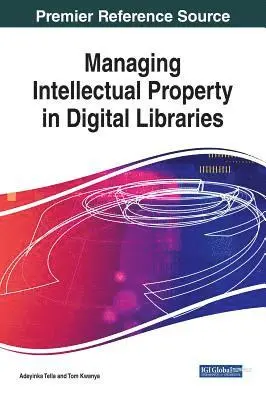
Taking into consideration the variety of information being created, produced, and published, the acquisition and archiving of e-resources by digital libraries is rapidly increasing. As such, managing the rights to these resources is imperative. The Handbook of Research on Managing Intellectual Property in Digital Libraries is a pivotal reference source for the latest scholarly research on strategies in which digital libraries engage in the management of increasing digital intellectual property to protect both the users and the creators of the resources. Featuring coverage on a broad range of topics such as copyright management, open access, and software programs, this book is ideally designed for academicians, researchers, and practitioners seeking material on property rights and e-resources.
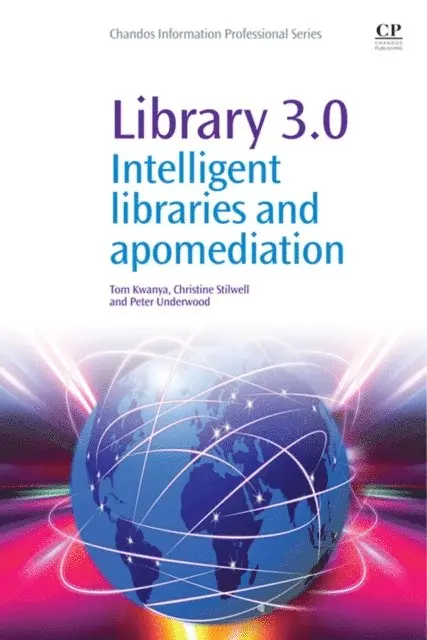
The emerging generation of research and academic library users expect the delivery of user-centered information services. ''Apomediation'' refers to the supporting role librarians can give users by stepping in when users need help. Library 3.0 explores the ongoing debates on the "point oh phenomenon and its impact on service delivery in libraries. This title analyses Library 3.0 and its potential in creating intelligent libraries capable of meeting contemporary needs, and the growing role of librarians as apomediators. Library 3.0 is divided into four chapters. The first chapter introduces and places the topic in context. The second chapter considers "point oh libraries. The third chapter covers library 3.0 librarianship, while the final chapter explores ways libraries can move towards ''3.0''.- Focuses on social media in research and academic libraries- Gives context to the discussion of apomediation in librarianship and information services provision- Provides a balance between more traditional and more progressive approaches
The emerging generation of research and academic library users expect the delivery of user-centered information services. 'Apomediation' refers to the supporting role librarians can give users by stepping in when users need help. Library 3.0 explores the ongoing debates on the "point oh� phenomenon and its impact on service delivery in libraries. This title analyses Library 3.0 and its potential in creating intelligent libraries capable of meeting contemporary needs, and the growing role of librarians as apomediators. Library 3.0 is divided into four chapters. The first chapter introduces and places the topic in context. The second chapter considers "point oh� libraries. The third chapter covers library 3.0 librarianship, while the final chapter explores ways libraries can move towards '3.0'.Focuses on social media in research and academic librariesGives context to the discussion of apomediation in librarianship and information services provisionProvides a balance between more traditional and more progressive approaches