411 kr
Skickas inom 7-10 vardagar
411 kr
Skickas inom 7-10 vardagar
3 929 kr
Skickas inom 10-15 vardagar
1 757 kr
Skickas inom 11-20 vardagar
1 769 kr
Skickas inom 11-20 vardagar
2 014 kr
Läs direkt efter köp
365 kr
Skickas inom 5-8 vardagar
351 kr
Läs direkt efter köp
346 kr
Läs direkt efter köp
226 kr
Skickas inom 5-8 vardagar
831 kr
Läs direkt efter köp
442 kr
Skickas inom 7-10 vardagar
829 kr
Läs direkt efter köp
386 kr
Läs direkt efter köp
2 601 kr
Skickas inom 10-15 vardagar
656 kr
Skickas inom 10-15 vardagar
2 601 kr
Skickas inom 10-15 vardagar
767 kr
Skickas inom 10-15 vardagar
915 kr
Skickas inom 7-10 vardagar
1 677 kr
Skickas inom 7-10 vardagar
838 kr
Läs direkt efter köp
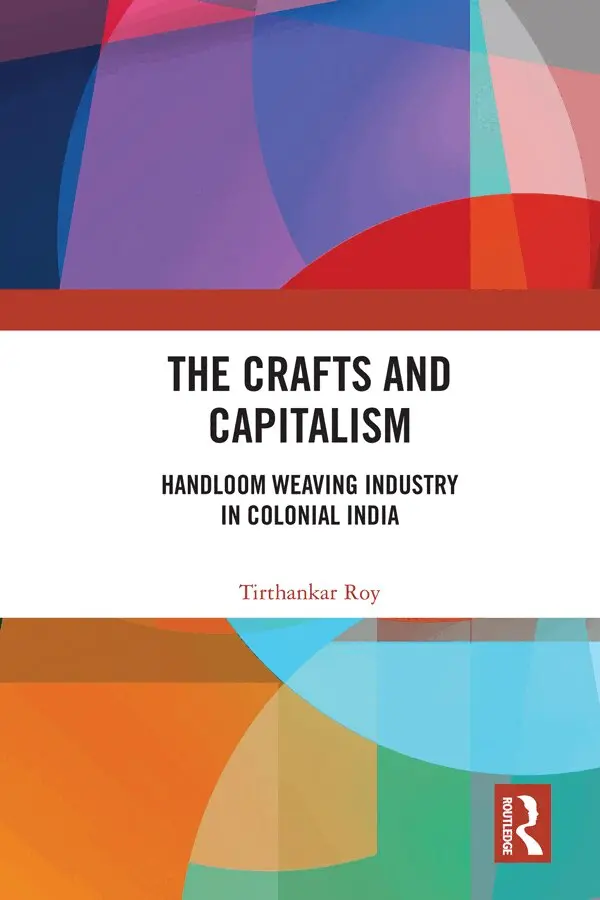
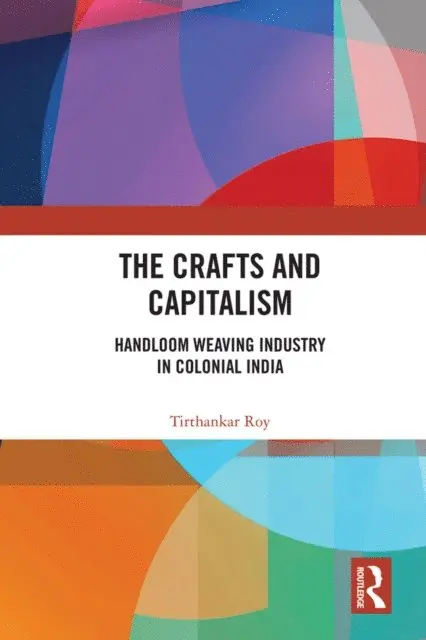
This book presents a comprehensive history of handloom weaving industry in India to challenge and revise the view that competition from machine-produced textiles destroyed the country’s handicrafts as claimed by historians until recently. It shows that skill-intensive handmade textiles survived the competition on a large scale, and that handmade goods and high-quality manual labour played a positive role in the making of modern India. Rich in archival material, The Crafts and Capitalism explores themes such as the historiography of craft technologies; statistical work on nineteenth-century cotton cloth production trends; narratives of merchants, the social leaders, the factory-owners; tools and techniques; and, shift from handloom to power loom. The book argues that changes in the handloom industry were central to the consolidation of new forms of capitalism in India.
An important intervention in Indian economic history, this book will be useful to scholars and researchers of Indian history, economic history, colonial history, modern history, political history, labour history and political economy. It will also interest nongovernmental organizations, textile historians, and design specialists.
767 kr
Läs direkt efter köp
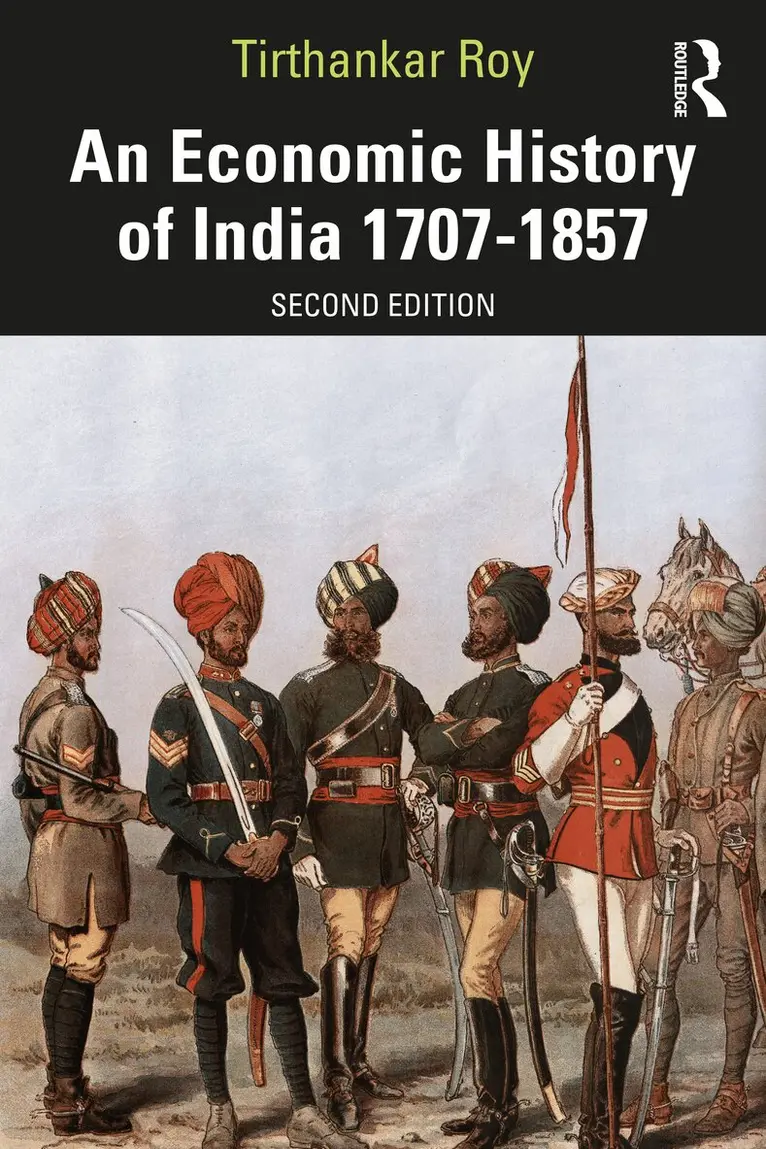
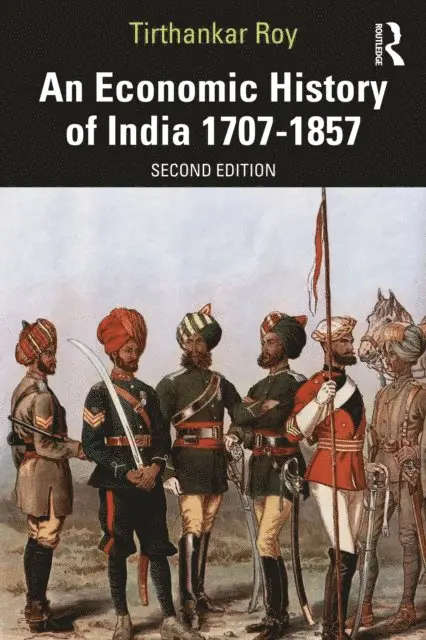
This new edition of An Economic History of Early Modern India extends the timespan of the analysis to incorporate further research. This allows for a more detailed discussion of the rise of the British Empire in South Asia and gives a fuller context for the historiography.
In the years between the death of the emperor Aurangzeb (1707) and the Great Rebellion (1857), the Mughal Empire and the states that rose from its ashes declined in wealth and power, and a British Empire emerged in South Asia. This book asks three key questions about the transition. Why did it happen? What did it mean? How did it shape economic change? The book shows that during these years, a merchant-friendly regime among warlord-ruled states emerged and state structure transformed to allow taxes and military capacity to be held by one central power, the British East India Company. The author demonstrates that the fall of warlord-ruled states and the empowerment of the merchant, in consequence, shaped the course of Indian and world economic history.
Reconstructing South Asia’s transition, starting with the Mughal Empire’s collapse and ending with the great rebellion of 1857, this book is the first systematic account of the economic history of early modern India. It is an essential reference for students and scholars of Economics and South Asian History.
750 kr
Läs direkt efter köp
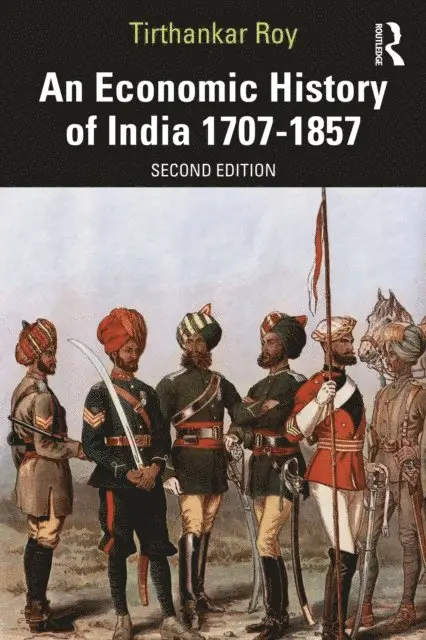
This new edition of An Economic History of Early Modern India extends the timespan of the analysis to incorporate further research. This allows for a more detailed discussion of the rise of the British Empire in South Asia and gives a fuller context for the historiography.
In the years between the death of the emperor Aurangzeb (1707) and the Great Rebellion (1857), the Mughal Empire and the states that rose from its ashes declined in wealth and power, and a British Empire emerged in South Asia. This book asks three key questions about the transition. Why did it happen? What did it mean? How did it shape economic change? The book shows that during these years, a merchant-friendly regime among warlord-ruled states emerged and state structure transformed to allow taxes and military capacity to be held by one central power, the British East India Company. The author demonstrates that the fall of warlord-ruled states and the empowerment of the merchant, in consequence, shaped the course of Indian and world economic history.
Reconstructing South Asia’s transition, starting with the Mughal Empire’s collapse and ending with the great rebellion of 1857, this book is the first systematic account of the economic history of early modern India. It is an essential reference for students and scholars of Economics and South Asian History.
2 551 kr
Läs direkt efter köp
1 515 kr
Skickas inom 7-10 vardagar
488 kr
Läs direkt efter köp
515 kr
Skickas inom 7-10 vardagar
293 kr
Läs direkt efter köp
932 kr
Skickas inom 7-10 vardagar
315 kr
Skickas inom 7-10 vardagar