"This handbook will both encourage and assist those teachers whotake on the important challenge of helping their students to thinkdeeply and resourcefully and to use that intellectual powerconstructively."--Theodore R. Sizer, chairman, Coalition of Essential Schools Walks teachers through the "teaching for understanding" process.The authors offer classroom examples, practical tips, andworksheets to help clarify the process. They also show how toselect engaging and appropriate topics, set coherent unit andcourse goals, create dynamic learning activities, improve studentperformance through continual feedback, and more.
This book offers an engaging and effective approach to improving teacher and student learning. Based on the experiences of three leading educational organizations, the authors provide invaluable, research-based guidelines for incorporating inquiry into teacher's instructional practices and student work as part of the ongoing work of schools. In addition to discussing the lessons learned and questions raised by inquiry work, this volume includes:Specific considerations for determining who should be involved, what work should be under review, how it should be reviewed, and how such inquiry should be supported by the school.Detailed case studies from urban elementary and secondary schools that illustrate how teachers and administrators have initiated and sustained processes of inquiry that contributed to changes in instruction, improved student outcomes, and their own professional learning. Benchmarks for teachers and administrators to gauge their progress in initiating and deepening inquiry in their own schools.
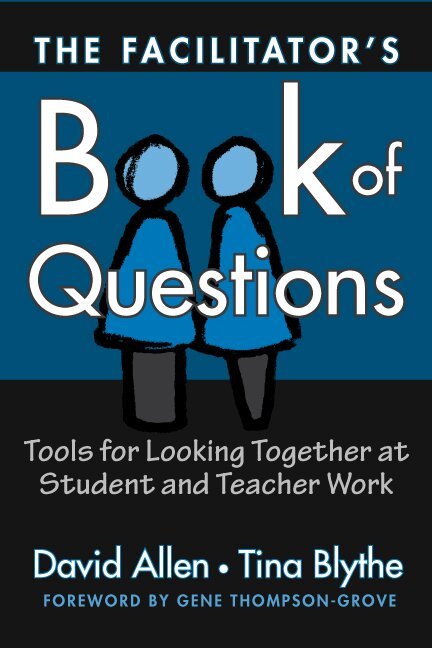
This book is an essential tool for facilitators of groups using protocols, or structured conversations, to collaboratively review student and teacher work. A follow-up to Looking Together at Student Work and Assessing Student Learning, this resource considers the purposes for engaging in collaborative review and provides some of the most effective strategies for using protocols to support successful group work. Features:Guidance for using protocols for collaborative assessment of student learning. Frameworks to support facilitators in playing their unique role within the group, including a set of ""thinking dispositions"" and a range of ""moves"" facilitators can make at different points in the conversation.An extended discussion of the challenges facilitators face in protocol-guided conversations, such as time constraints, large groups, and participants who are reluctant to engage in protocols.Activities that novice and experienced facilitators can use, individually or in groups, to apply the frameworks and resources provided in this book.
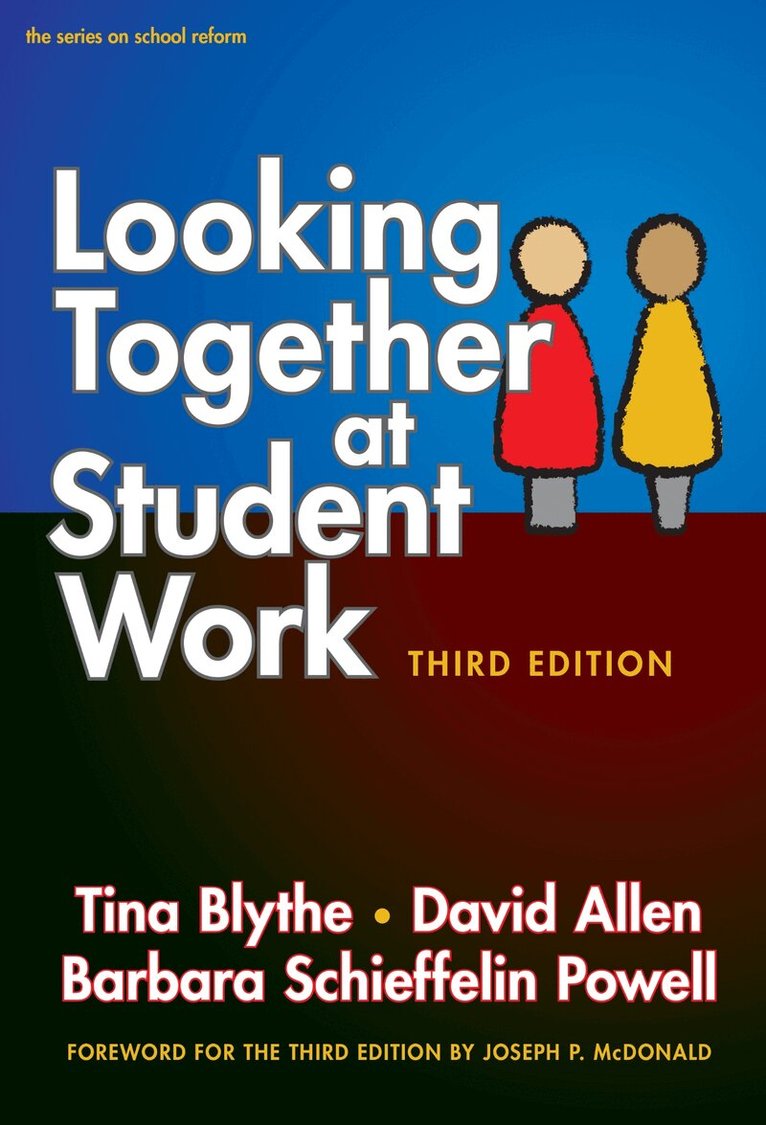
This updated third edition provides teachers and administrators with strategies and resources for examining and discussing student work, such as essays, math problems, projects, artwork, and more. The authors describe two ways of looking together at student work—The Tuning Protocol and The Collaborative Assessment Conference—including how to choose work to present and examples of groups using each protocol. This new edition also offers suggestions for addressing some of the key challenges that emerge when groups first begin to share and discuss student work, as well as guidance for using protocols once groups have progressed beyond the initial stages. This book will be useful to teachers, administrators, teacher educators, coaches, and others who are involved in the work of improving teaching and learning for all students.New for the Third Edition: The addition of The Microlab Protocol, a relatively quick and easy way to introduce groups to protocol-guided conversation.Facilitation strategies and more detailed notes for presenters about how to select work and prepare for their roles.Updated examples and a new case focused on a school's use of protocols to develop teachers' understanding and application of the Common Core State Standards.Current research on the effectiveness of practices that involve the collaborative examination of student work.
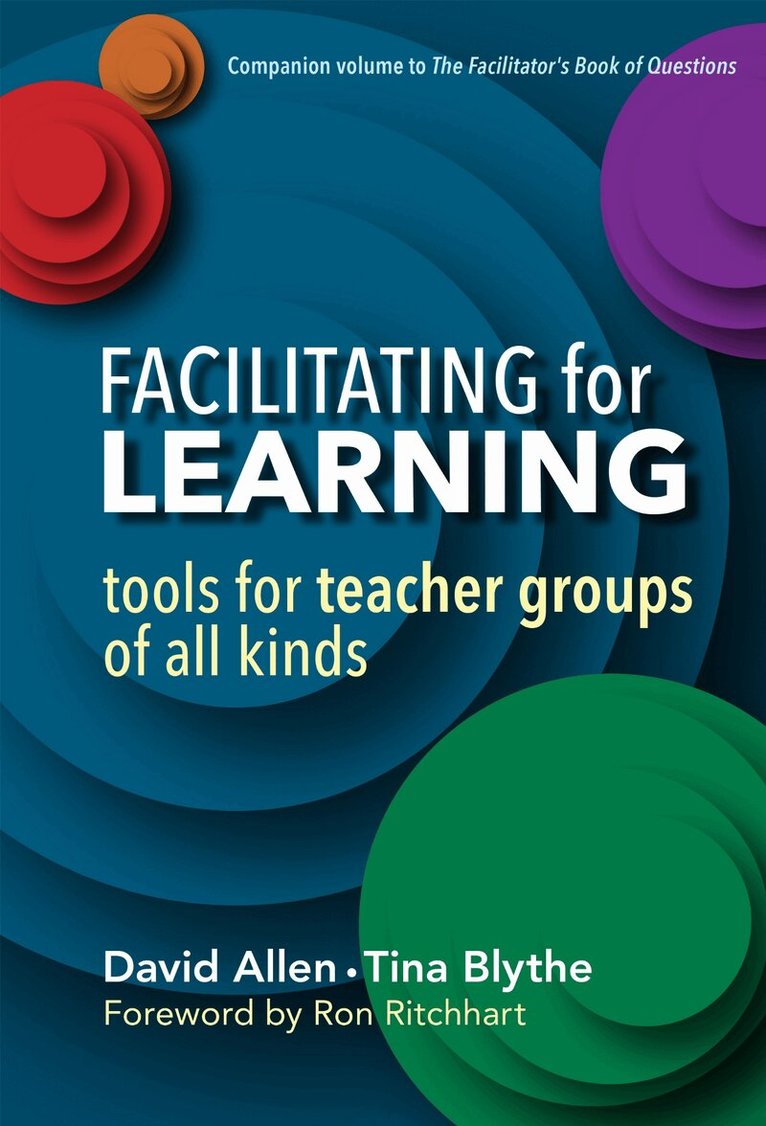
One of the most important shifts in schools in the last two decades has been the growing emphasis on collaboration among teachers and other educators. Whether you are a teacher facilitating a group for the first time or an experienced facilitator seeking to further develop your skills, this book is for you. Organized to be both an exploration of the role of facilitating and a handbook of strategies, this resource is designed for use in a range of contexts, including faculty and department meetings, professional learning communities, grade-level teams, and inquiry groups. A perfect companion to the authors' bestseller, The Facilitator's Book of Questions, Facilitating for Learning extends the scope of that work by examining the facilitator's responsibilities for supporting a group's learning during all parts of a meeting, between meetings, and within the larger school context and culture. It is an essential resource for teachers, administrators, coaches, and teacher educators.Book Features:Contrasts facilitating for learning with other professional development roles, including staff development, coaching, and supervision.Outlines the basic responsibilities and tasks of facilitating teacher learning groups, including ""moves"" the facilitator might employ.Considers challenges related to school culture and leadership, group interactions, and time constraints.Provides resources to help facilitators develop their skills, including tools and references to other works on facilitation.
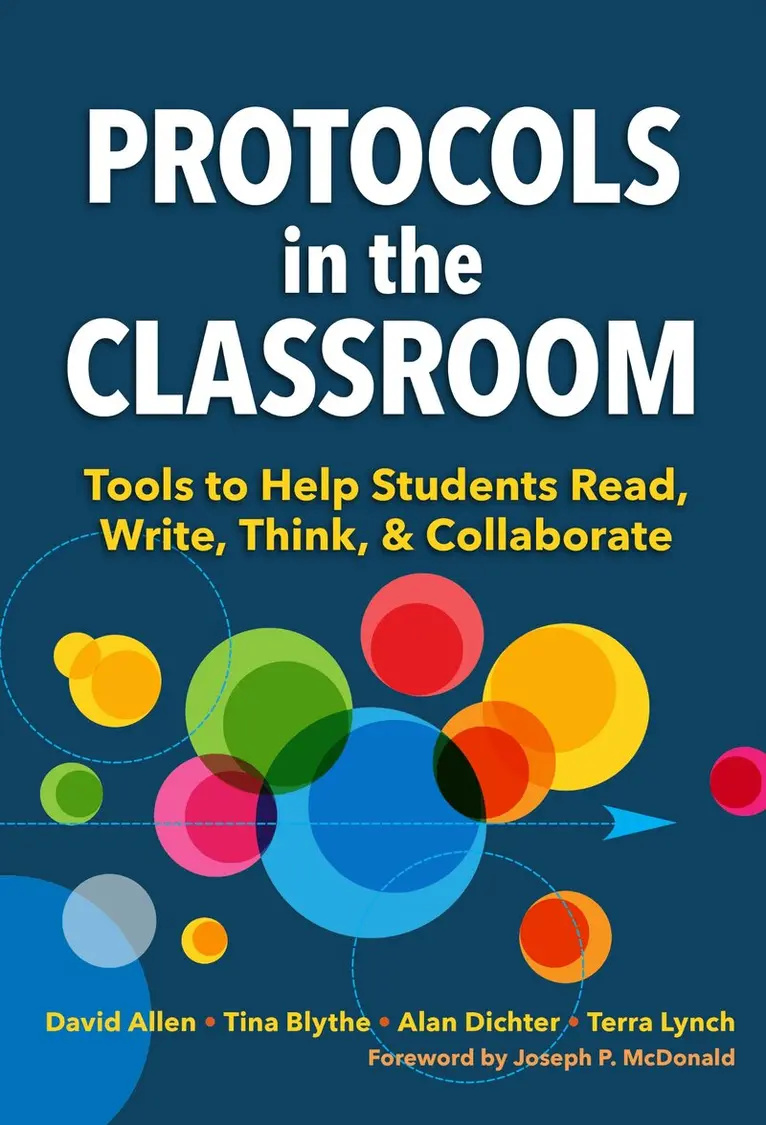
For nearly 2 decades, Looking Together at Student Work and The Power of Protocols have sustained educators in their professional learning. Protocols in the Classroom expands the scope of those books from teachers' professional learning to include students' learning, providing teachers with the tools they need to use discussion protocols to support students in developing crucial skills and habits as readers, writers, critical thinkers, and active participants within the classroom community. This essential guide provides detailed descriptions of protocols for four critical purposes: Entering into and engaging with texts of many different types.Sharing perspectives on questions, issues, or topics.Giving and receiving important feedback on works in progress.Exploring one's own unique learning style.For each protocol the authors provide a clear set of steps, tips for teachers and students in facilitating the protocol, and a story of a teacher using the protocol with students. The book is filled with resources for getting started using protocols with students, as well as for deepening the use of protocols over time. It also relates protocols to other strategies for supporting students' learning, including Accountable Talk, Thinking Routines, and Socratic seminars. The authors describe how protocols contribute to a schoolwide culture of discussion, inquiry, and reflection.Book Features:Insight from authors with decades of experience using protocols with students, teachers, administrators, teacher educators, and others.The perspectives of classroom teachers who are using the protocols with their students.Classroom vignettes and facilitation tips for effective use of protocols with students.Guidance and resources for choosing the best protocol for your goals and the needs of your students.Key practices for effectively facilitating protocols, whether you or your students do the facilitation.Engaging activities and strategies to prepare students for the kinds of discussions protocols entail.