618 kr
618 kr
589 kr
2 426 kr
Skickas inom 10-15 vardagar
633 kr
Skickas inom 10-15 vardagar
567 kr
Skickas inom 10-15 vardagar
755 kr
Läs direkt efter köp
1 755 kr
Skickas inom 10-15 vardagar
432 kr
Skickas inom 10-15 vardagar
502 kr
Läs direkt efter köp
725 kr
Läs direkt efter köp
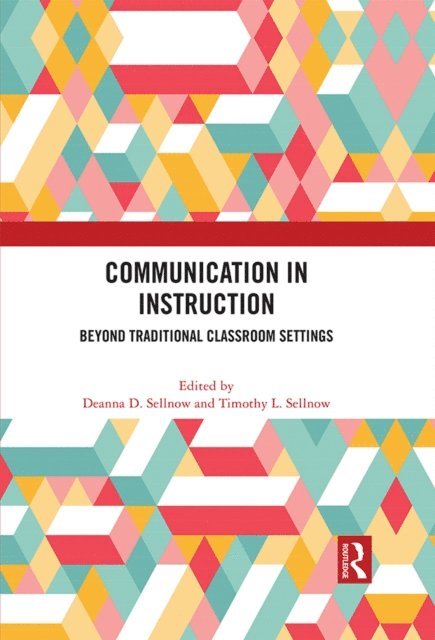
Communication in Instruction: Beyond Traditional Classroom Settings explores the various challenges we face when trying to teach others in various contexts beyond traditional classroom settings, as well as the possible strategies for overcoming them.
Instructional communication is a research field that focuses on the role communication plays in instructing others. Although many resources focus on effectively instructional communication strategies within a traditional classroom setting, this book expands the scope to include diverse settings where instructional communication also occurs (e.g., risk and crisis situations, health care contexts, business settings), as well as new directions where instructional communication research and practice are (or ought to be) headed.
Whether we are trying to teach a youngster to ride a bike, to help a friend evaluate the claims made on an advertisement, or to conduct a safety drill with colleagues in the workplace, we are engaging in instructional communication. If we want to do so effectively, however, we need to equip ourselves with best practice tools and strategies for doing so. That is what this book is intended to do. In it, you will read about how to teach advocacy to health care practitioners, guide others to become socialised in a new workplace setting, employ strategies for teaching digital media literacy to nondigital natives, and use artificial intelligence (AI) and robots when instructing and engaging strategies for instruction around socially relevant issues such as religion, politics, and violence. Together, they point to some of the ways instructional communication scholarship may be used to explore and inform best practices across communication contexts.
The chapters in this book were originally published in Communication Education.
638 kr
Skickas inom 10-15 vardagar
2 335 kr
Skickas inom 10-15 vardagar
2 325 kr
Skickas inom 3-6 vardagar
1 186 kr
Skickas inom 7-10 vardagar
520 kr
Skickas inom 7-10 vardagar
590 kr
Läs direkt efter köp
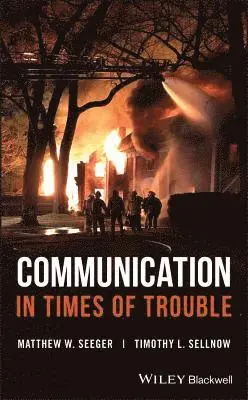
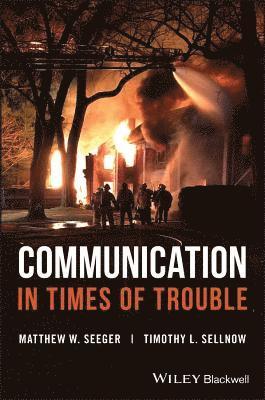
Presents the best practices of crisis communication and emergency risk communication
This book covers crisis communication strategies and focuses on practical applications for effective management. It includes an extensive discussion of best practices in pre-crisis, crisis and post crisis stages. The book pays special attention to the needs of meeting the needs of diverse audiences and communicating in a responsive and responsible way. The principles are appropriate for many kinds of events including earthquakes, tornadoes, hurricanes, tsunamis, epidemics, and pandemics as well as industrial accidents, toxic spills, transportation disasters, fires and intentional events.
In the first chapter, Communication in Times of Trouble introduces the concept of best practices and establishes their relevance for crisis communication and emergency risk communication. A chapter is dedicated to each of the ten best practices. In each chapter, the best practice is described, examples of successful and unsuccessful application of the best practice in both organizational crises and natural disasters/emergencies are provided, advice for practical application is given, and a summary is provided. The concluding chapter details the challenges and opportunities for developing and implementing a response strategy that includes the best practices as a whole.
Focuses on application and explanation in crisis communication to benefit those with backgrounds in emergency management, risk management, political science, disaster sociology, and public health Covers natural, large-scale emergencies such as earthquakes, tornadoes, hurricanes, tsunamis, epidemics, and pandemics, which aren’t generally detailed in existing crisis communication texts Presents 10 best practices for dealing with emergencies: Process Approach; Pre-Event Planning; Partnerships; Public Concern; Honesty; Collaborate; Media access; Compassion; Uncertainty; Empowerment Communication in Times of Trouble will be of great interest to undergraduate students and practitioners in communication, public relations, public affairs, public information, public health, and emergency management.598 kr
Läs direkt efter köp
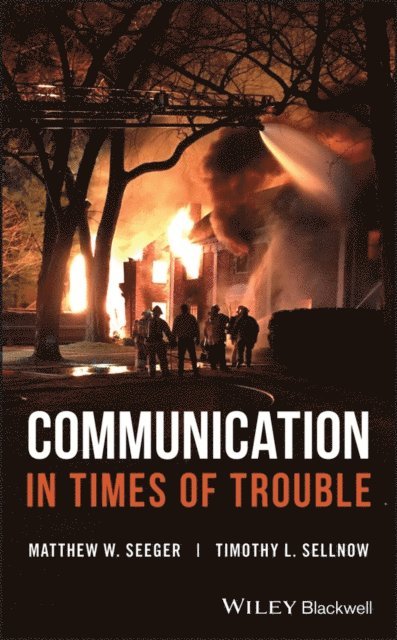
Presents the best practices of crisis communication and emergency risk communication
This book covers crisis communication strategies and focuses on practical applications for effective management. It includes an extensive discussion of best practices in pre-crisis, crisis and post crisis stages. The book pays special attention to the needs of meeting the needs of diverse audiences and communicating in a responsive and responsible way. The principles are appropriate for many kinds of events including earthquakes, tornadoes, hurricanes, tsunamis, epidemics, and pandemics as well as industrial accidents, toxic spills, transportation disasters, fires and intentional events.
In the first chapter, Communication in Times of Trouble introduces the concept of best practices and establishes their relevance for crisis communication and emergency risk communication. A chapter is dedicated to each of the ten best practices. In each chapter, the best practice is described, examples of successful and unsuccessful application of the best practice in both organizational crises and natural disasters/emergencies are provided, advice for practical application is given, and a summary is provided. The concluding chapter details the challenges and opportunities for developing and implementing a response strategy that includes the best practices as a whole.
Focuses on application and explanation in crisis communication to benefit those with backgrounds in emergency management, risk management, political science, disaster sociology, and public health Covers natural, large-scale emergencies such as earthquakes, tornadoes, hurricanes, tsunamis, epidemics, and pandemics, which aren’t generally detailed in existing crisis communication texts Presents 10 best practices for dealing with emergencies: Process Approach; Pre-Event Planning; Partnerships; Public Concern; Honesty; Collaborate; Media access; Compassion; Uncertainty; Empowerment Communication in Times of Trouble will be of great interest to undergraduate students and practitioners in communication, public relations, public affairs, public information, public health, and emergency management.679 kr
Läs direkt efter köp
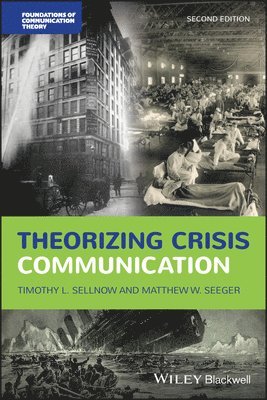
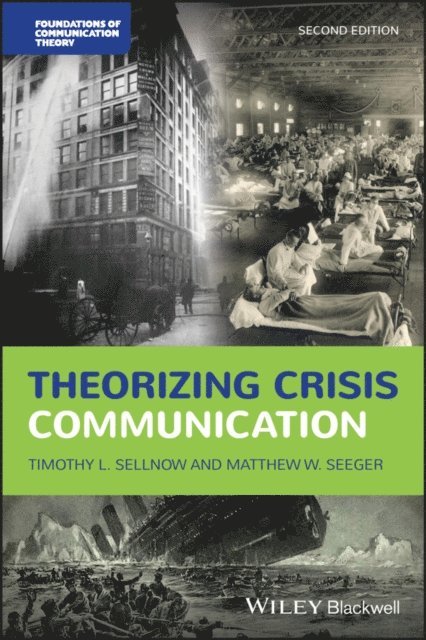
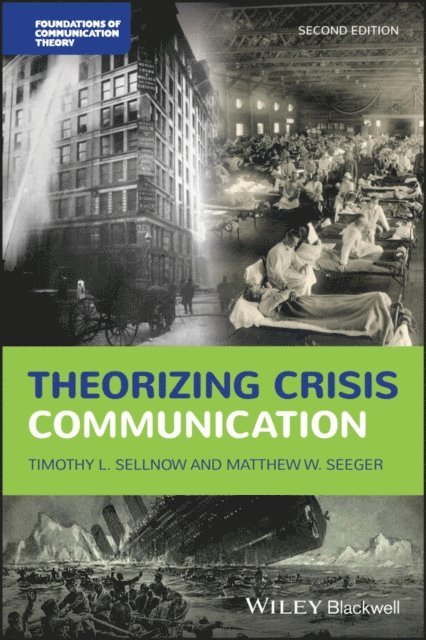
Explore the major theories within crisis communication, fully revised and updated
Theorizing Crisis Communication provides a comprehensive and state-of-the-art review of both current and emerging theoretical frameworks designed to explain the development, management, and consequences of natural and human-caused crises. A critique of the many theoretical approaches of crisis communication, this volume provides readers with an in-depth understanding of the management, response, resolution, and significance of failures in corporate responsibility, as well as destructive global events such as pandemics, earthquakes, hurricanes, tsunamis, chemical spills, and terrorist attacks.
This second edition contains new theories from related subfields and updated examples, references, and case examples. New chapters discuss metatheoretical considerations and theoretical advancements in the study of social media. Throughout the text, the authors highlight similarities, patterns, and relationships across different crisis types and offer insight into the application of theory in the real world. Integrating work from organizational studies, social sciences, public relations, and public health, this book:
Covers a broad range of crisis communication theories, including those relevant to emergency response, risk management, ethics, resilience and crisis warning, development, and outcomes Presents theoretical frameworks based on research disciplines including sociology, psychology, applied anthropology, and criminal justice Provides clear and compelling examples of application of theory in contexts such as rhetoric, mass communication, social media, and warning systems Offers a systematic and accessible presentation of topics by explaining each theory, describing its applications, and discussing its advantages and drawbacksTheorizing Crisis Communication, Second Edition, is the perfect textbook for advanced undergraduate and graduate students of crisis and risk communication, and an importance reference for scholars, researchers, and practitioners in fields including crisis communication, emergency management, disaster studies, sociology, psychology, and anthropology.
679 kr
Läs direkt efter köp
Explore the major theories within crisis communication, fully revised and updated
Theorizing Crisis Communication provides a comprehensive and state-of-the-art review of both current and emerging theoretical frameworks designed to explain the development, management, and consequences of natural and human-caused crises. A critique of the many theoretical approaches of crisis communication, this volume provides readers with an in-depth understanding of the management, response, resolution, and significance of failures in corporate responsibility, as well as destructive global events such as pandemics, earthquakes, hurricanes, tsunamis, chemical spills, and terrorist attacks.
This second edition contains new theories from related subfields and updated examples, references, and case examples. New chapters discuss metatheoretical considerations and theoretical advancements in the study of social media. Throughout the text, the authors highlight similarities, patterns, and relationships across different crisis types and offer insight into the application of theory in the real world. Integrating work from organizational studies, social sciences, public relations, and public health, this book:
Covers a broad range of crisis communication theories, including those relevant to emergency response, risk management, ethics, resilience and crisis warning, development, and outcomes Presents theoretical frameworks based on research disciplines including sociology, psychology, applied anthropology, and criminal justice Provides clear and compelling examples of application of theory in contexts such as rhetoric, mass communication, social media, and warning systems Offers a systematic and accessible presentation of topics by explaining each theory, describing its applications, and discussing its advantages and drawbacksTheorizing Crisis Communication, Second Edition, is the perfect textbook for advanced undergraduate and graduate students of crisis and risk communication, and an importance reference for scholars, researchers, and practitioners in fields including crisis communication, emergency management, disaster studies, sociology, psychology, and anthropology.
567 kr
Skickas inom 10-15 vardagar
1 105 kr
Skickas inom 10-15 vardagar
1 198 kr
Skickas inom 10-15 vardagar
509 kr
Skickas inom 10-15 vardagar
3 356 kr
Skickas inom 7-10 vardagar
3 362 kr
Läs direkt efter köp
3 362 kr
Läs direkt efter köp
843 kr
Skickas inom 10-15 vardagar