636 kr
Skickas inom 10-15 vardagar
636 kr
Skickas inom 10-15 vardagar
391 kr
Skickas inom 3-6 vardagar
766 kr
Skickas inom 10-15 vardagar
1 365 kr
Skickas inom 10-15 vardagar
1 437 kr
Skickas inom 10-15 vardagar
239 kr
Läs direkt efter köp
637 kr
Skickas inom 10-15 vardagar
2 526 kr
Skickas inom 10-15 vardagar
658 kr
Läs direkt efter köp
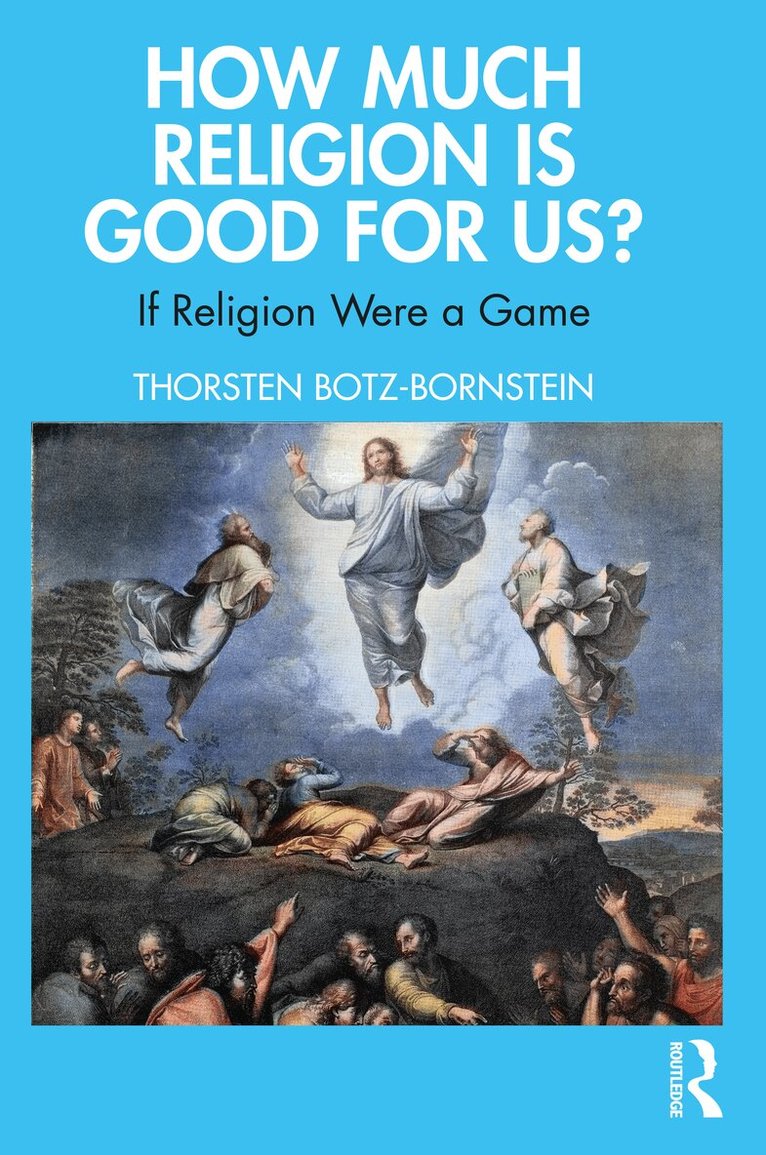
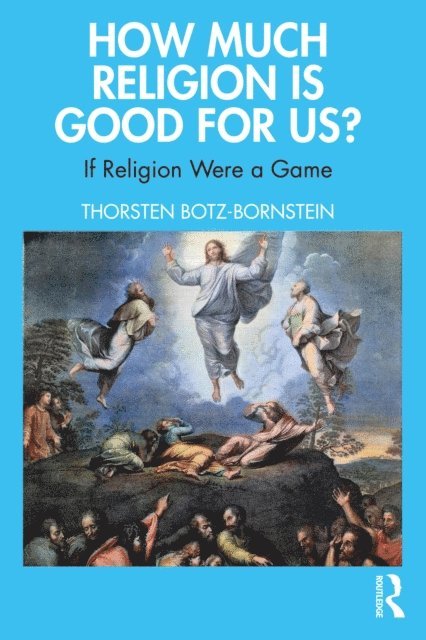
How Much Religion is Good for Us? is a provocative book which examines parallels between play and religion from a philosophical, theological, and anthropological perspective.
Understanding “religion as a game†in the context of secular culture, it explores the “playful†patterning of spiritual and religious belief in modern societies. Drawing on the Nietzschean concept of a dead but powerful God, the book depicts modern civilizations as players treading a secular age in which the spirit of religion unconsciously survives. It argues that the spirit of religion is preserved in cultures in the form of a spiritual game, distilling moral precepts and imperatives much like poetry and works of art do. Comparative in scope, it references Christianity, Buddhism, Islam, Sufism, and Daoism.
This interdisciplinary volume is an outstanding resource for students and scholars of Religious Studies, Islamic Studies, Cultural Studies, Philosophy, and Anthropology.
537 kr
Skickas inom 10-15 vardagar
757 kr
Läs direkt efter köp
827 kr
Skickas inom 10-15 vardagar
963 kr
Läs direkt efter köp
956 kr
Läs direkt efter köp
1 723 kr
Skickas inom 10-15 vardagar
515 kr
Läs direkt efter köp
511 kr
Läs direkt efter köp
479 kr
Skickas inom 10-15 vardagar
1 211 kr
Kommande
532 kr
Skickas inom 7-10 vardagar
1 479 kr
Skickas inom 7-10 vardagar
2 618 kr
Skickas inom 10-15 vardagar
1 294 kr
Skickas inom 10-15 vardagar
1 936 kr
Skickas inom 7-10 vardagar
266 kr
Läs direkt efter köp
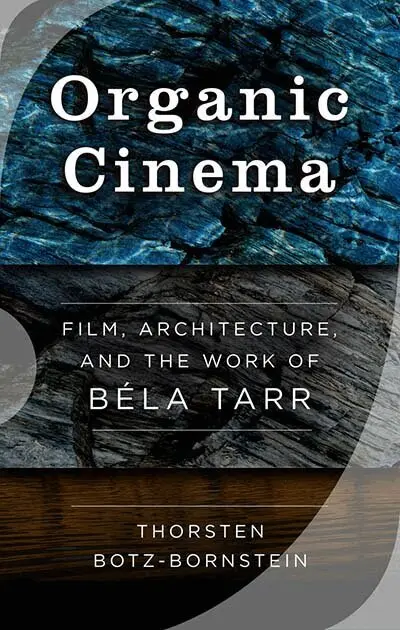
The “organic” is by now a venerable concept within aesthetics, architecture, and art history, but what might such a term mean within the spatialities and temporalities of film? By way of an answer, this concise and innovative study locates organicity in the work of Béla Tarr, the renowned Hungarian filmmaker and pioneer of the “slow cinema” movement. Through a wholly original analysis of the long take and other signature features of Tarr’s work, author Thorsten Botz-Bornstein establishes compelling links between the seemingly remote spheres of film and architecture, revealing shared organic principles that emphasize the transcendence of boundaries.
295 kr
Skickas inom 3-6 vardagar
1 033 kr
Skickas
1 207 kr
Skickas inom 10-15 vardagar
1 659 kr
Läs direkt efter köp
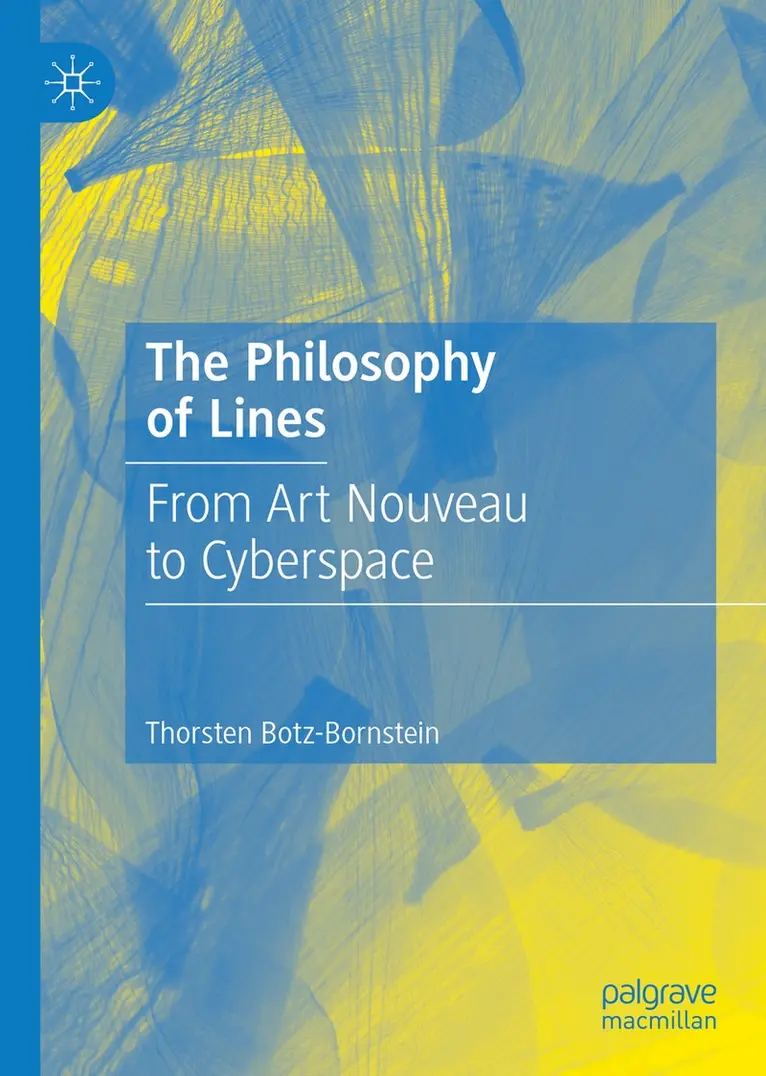
This book offers a philosophical exploration of lines in art and culture, and traces their history from Antiquity onwards. Lines can be physical phenomena, cognitive responses to observed processes, or both at the same time. Based on this assumption, the book describes the “philosophy of lines” in art, architecture, and science. The book compares Western and Eastern traditions. It examines lines in the works of Paul Klee, Wassily Kandinsky, and Henri Michaux, as well as in Chinese and Japanese art and calligraphy. Lines are not merely a matter of aesthetics but also reflect the psychological states of entire cultures. In the nineteenth century, non-Euclidean geometry sparked the phenomenon of the “self-negating line,” which influenced modern art; it also prepared the ground for virtual reality. Straight lines, distorted lines, blurred lines, hot and cold lines, dynamic lines, lines of force, virtual lines, and on and on, lines narrate the development of human civilization.