754 kr
Skickas inom 10-15 vardagar
754 kr
Skickas inom 10-15 vardagar
1 504 kr
Skickas inom 7-10 vardagar
533 kr
Skickas inom 7-10 vardagar
742 kr
Skickas inom 7-10 vardagar
1 013 kr
Läs direkt efter köp
3 760 kr
Skickas inom 10-15 vardagar
522 kr
Läs direkt efter köp
518 kr
Läs direkt efter köp
883 kr
Läs direkt efter köp
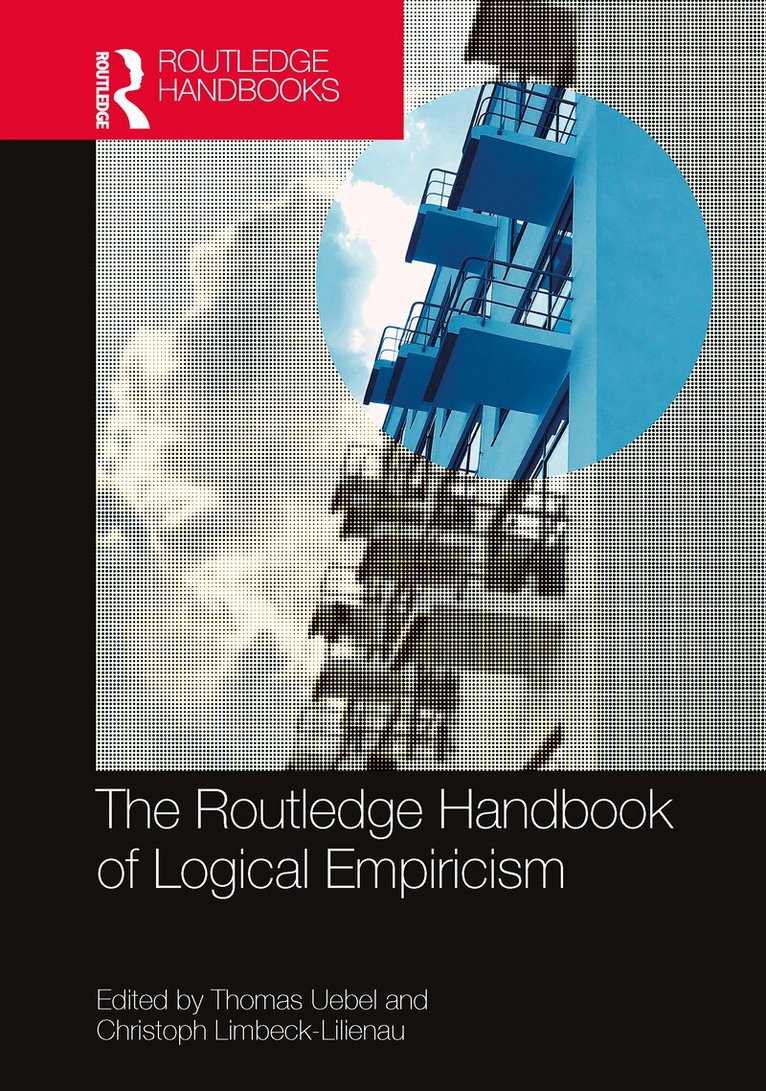
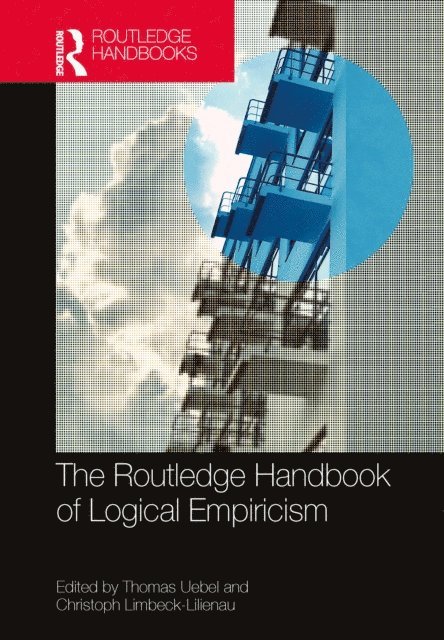
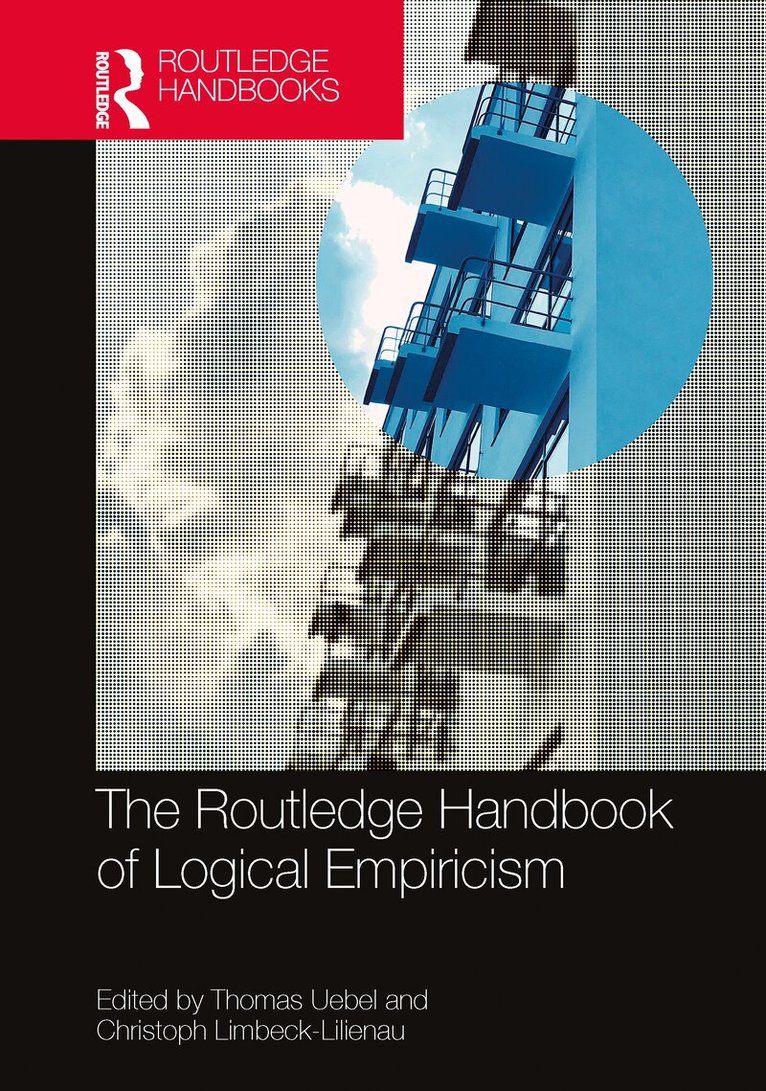
Logical empiricism is a philosophical movement that flourished in the 1920s and 30s in Central Europe and in the 1940s and 50s in the United States. With its stated ambition to comprehend the revolutionary advances in the empirical and formal sciences of their day and to confront anti-modernist challenges to scientific reason itself, logical empiricism was never uncontroversial. Uniting key thinkers who often disagreed with one another but shared the aim to conceive of philosophy as part of the scientific enterprise, it left a rich and varied legacy that has only begun to be explored relatively recently.
The Routledge Handbook of Logical Empiricism is an outstanding reference source to this challenging subject area, and the first collection of its kind. Comprising 41 chapters written by an international and interdisciplinary team of contributors, the Handbook is organized into four clear parts:
The Cultural, Scientific and Philosophical Context and the Development of Logical Empiricism Characteristic Theses of and Specific Issues in Logical Empiricism Relations to Philosophical Contemporaries Leading Post-Positivist Criticisms and Legacy
Essential reading for students and researchers in the history of twentieth-century philosophy, especially the history of analytical philosophy and the history of philosophy of science, the Handbook will also be of interest to those working in related areas of philosophy influenced by this important movement, including metaphysics and epistemology, philosophy of mind and philosophy of language.
883 kr
Läs direkt efter köp
Logical empiricism is a philosophical movement that flourished in the 1920s and 30s in Central Europe and in the 1940s and 50s in the United States. With its stated ambition to comprehend the revolutionary advances in the empirical and formal sciences of their day and to confront anti-modernist challenges to scientific reason itself, logical empiricism was never uncontroversial. Uniting key thinkers who often disagreed with one another but shared the aim to conceive of philosophy as part of the scientific enterprise, it left a rich and varied legacy that has only begun to be explored relatively recently.
The Routledge Handbook of Logical Empiricism is an outstanding reference source to this challenging subject area, and the first collection of its kind. Comprising 41 chapters written by an international and interdisciplinary team of contributors, the Handbook is organized into four clear parts:
The Cultural, Scientific and Philosophical Context and the Development of Logical Empiricism Characteristic Theses of and Specific Issues in Logical Empiricism Relations to Philosophical Contemporaries Leading Post-Positivist Criticisms and Legacy
Essential reading for students and researchers in the history of twentieth-century philosophy, especially the history of analytical philosophy and the history of philosophy of science, the Handbook will also be of interest to those working in related areas of philosophy influenced by this important movement, including metaphysics and epistemology, philosophy of mind and philosophy of language.
2 726 kr
Skickas inom 10-15 vardagar
3 577 kr
Läs direkt efter köp
2 594 kr
Skickas inom 11-20 vardagar
1 007 kr
Skickas inom 7-10 vardagar
680 kr
Läs direkt efter köp
2 390 kr
Skickas inom 10-15 vardagar
3 251 kr
Läs direkt efter köp
2 390 kr
Skickas inom 10-15 vardagar
1 632 kr
Skickas inom 10-15 vardagar
2 111 kr
Läs direkt efter köp
1 632 kr
Skickas inom 10-15 vardagar