Entamoeba: Species, Classification and Biology outlines the current knowledge about the global epidemiology, clinical manifestations, pathogenesis, available diagnostic tools and management of pathogenic Entamoeba species in humans. The authors provide an overview of the various species belonging to the genus Entamoeba, including Entamoeba histolytica, Entamoeba dispar, Entamoeba gingivalis, Entamoeba coli, Entamoeba moshkovskii, Entamoeba invadens, Entamoeba polecki, Entamoeba hartmanni, Entamoeba suis, Entamoeba nuttalli, Entamoeba bangladeshi, Entamoeba struthionis and Entamoeba muris. The general pathogenic factors of Entamoeba histolytica are described, particularly focusing on how these factors participate in establishing infection. Additionally, an review of studies centered on the morphological, biochemical and genetic changes during programmed cell death of Entamoeba histolytica is provided. Current knowledge on the identification, characterisation, structure, and function of the enzymes of serine biosynthesis is also summarized.
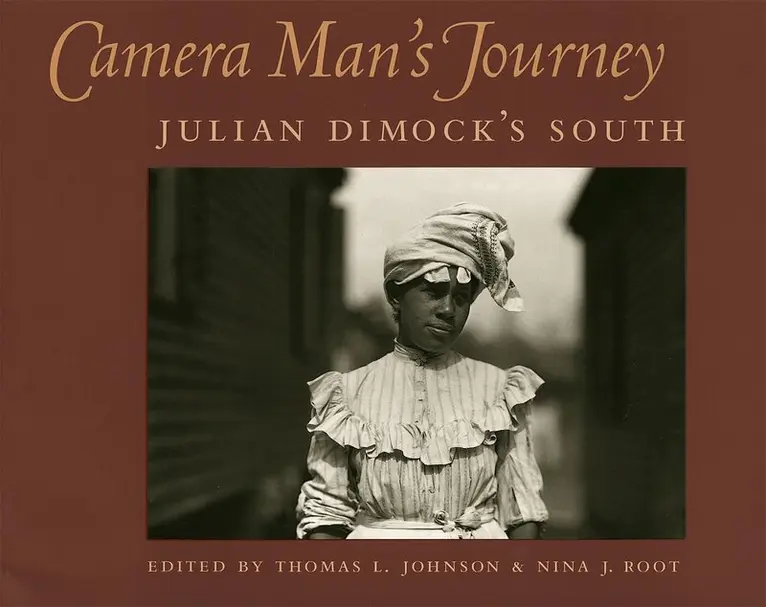
A poignant collection of 150 photographs, Camera Man's Journey takes us to a place at once familiar and foreign. Set in the South early in the twentieth century, these photographs bridge a distance not only of time but also of contrasting attitudes and customs.The images show African Americans in or around Columbia, Beaufort, and Hilton Head, South Carolina. Some photographs were taken in surroundings where blacks might associate with whites—out of necessity and according to strict custom. Most of the images, however, are set in "colored sections" or other remote areas of town and country where blacks were obliged to fashion lives apart. Under segregation and disenfranchisement, men, women, and children are portrayed in ordinary occupations and pursuits: a peddler selling his wares, a woman tying a toddler's shoes, a barber and his young apprentice taking a break outside their shop.Julian Dimock, whose works appeared often in major travel and nature magazines, took the photographs in 1904-5. So many photographers of the era tended to romanticize or politicize their African American subjects; Dimock was different. Signs of want and inequity are plain to see in these images, but Dimock portrays his subjects as they really were in all of their dignity, strength, and beauty.
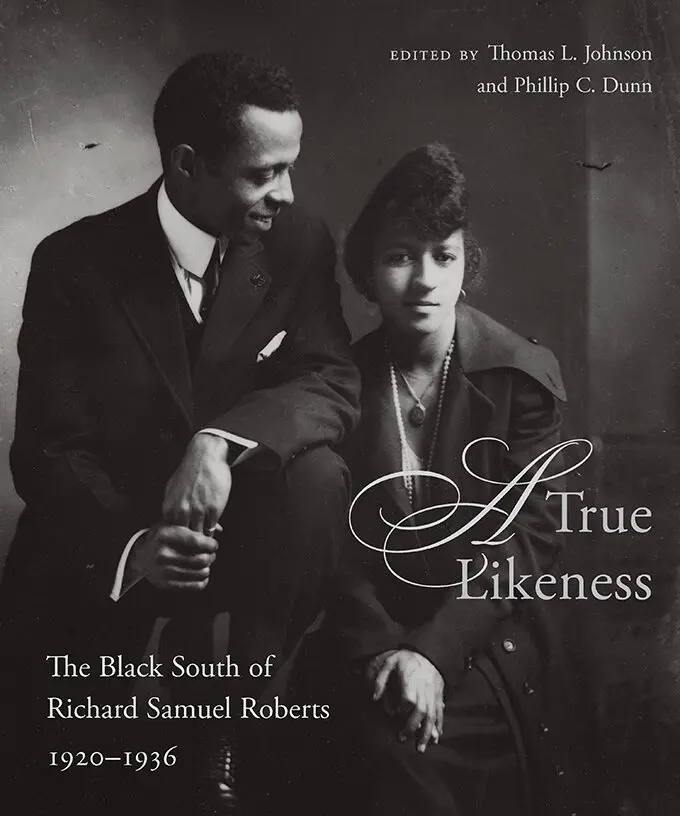
A True Likeness showcases the extraordinary photography of Richard Samuel Roberts (1880-1935), who operated a studio in Columbia, South Carolina, from 1920 to 1935. He was one of the few major African American commercial photographers working in the region during the first half of the twentieth century, and his images reveal the social, economic, and cultural realities of the black South and document the rise of a small but significant southern black middle class.The nearly two hundred photographs in A True Likeness were selected from three thousand glass plates that had been stored for decades in a crawl space under the Roberts home. The collection includes ""true likenesses"" of teachers, preachers, undertakers, carpenters, brick masons, dressmakers, chauffeurs, entertainers, and athletes, as well as the poor, with dignity and respect and an eye for character and beauty.Thomas L. Johnson and Phillip C. Dunn received a 1987 Lillian Smith Book Award for their work on this book. This new edition of A True Likeness features a new foreword by Elaine Nichols, the supervisory curator of culture at the Smithsonian National Museum of African American History and Culture in Washington, D.C. A new afterword is provided by Thomas L. Johnson.