555 kr
Skickas inom 10-15 vardagar
555 kr
Skickas inom 10-15 vardagar
2 571 kr
Skickas inom 10-15 vardagar
648 kr
Skickas inom 10-15 vardagar
3 449 kr
Skickas inom 10-15 vardagar
637 kr
Skickas inom 10-15 vardagar
2 650 kr
Skickas inom 10-15 vardagar
668 kr
Skickas inom 10-15 vardagar
3 234 kr
Skickas inom 10-15 vardagar
745 kr
Skickas inom 10-15 vardagar
1 011 kr
Skickas inom 7-10 vardagar
1 970 kr
Skickas inom 7-10 vardagar
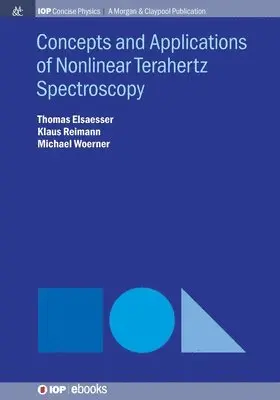
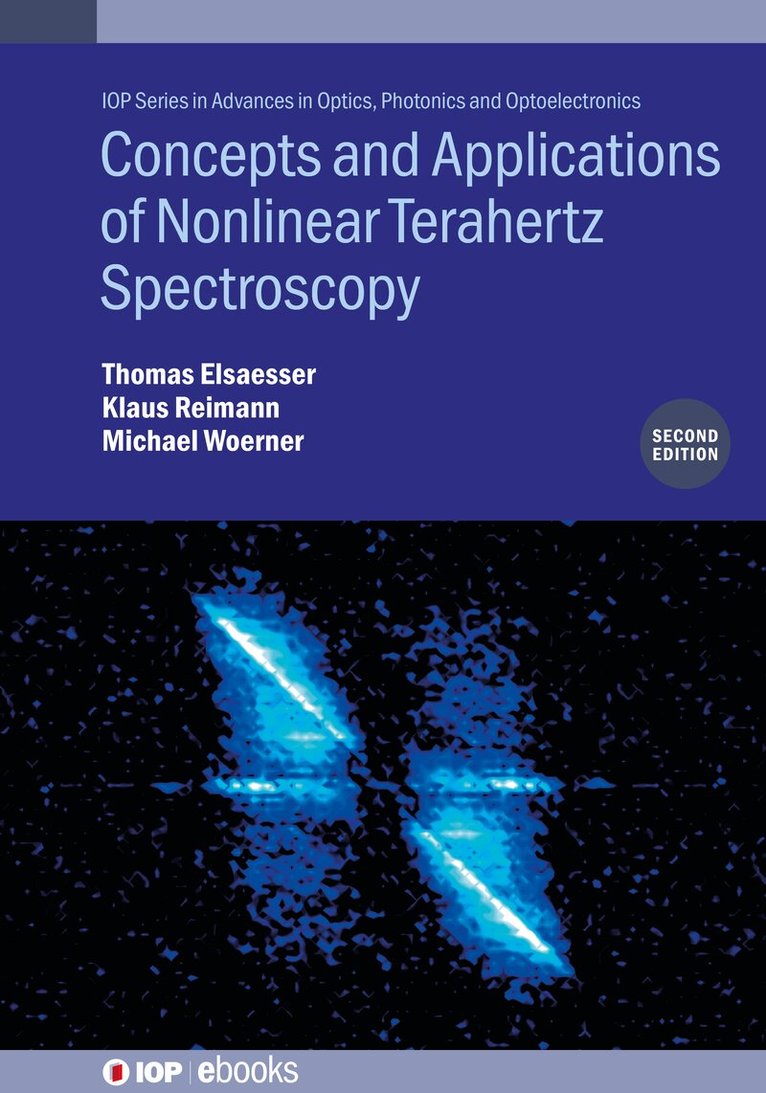
Terahertz (THz) radiation with frequencies between 100 GHz and 30 THz has numerous applications in basic science, materials characterization, imaging, sensor technologies, and telecommunications. Recent progress in THz generation has provided ultrashort THz pulses with electric field amplitudes of up to several megavolts/cm. This development has opened the research field of nonlinear THz spectroscopy in which strong light-matter interactions are exploited to induce quantum excitations and/or charge transport and follow their nonequilibrium dynamics in time-resolved experiments. This book introduces the basic concepts of light-matter interactions and nonlinear optics, discusses methods of THz generation and nonlinear THz spectroscopy, and presents prototypical experimental and theoretical results in condensed matter physics and chemistry. Each chapter includes an overview of recent literature.
Key Features:
Introduces methods of THz generation and nonlinear THz spectroscopy in a tutorial way
Discusses the relevant theoretical concepts
Presents prototypical, experimental, and theoretical results in condensed matter physics.
Illustrates the potential of nonlinear THz spectroscopy by recent research, including an overview of the relevant literature.
Includes a new chapter with insight into basic molecular phenomena.
581 kr
Skickas inom 10-15 vardagar
1 256 kr
Läs direkt efter köp
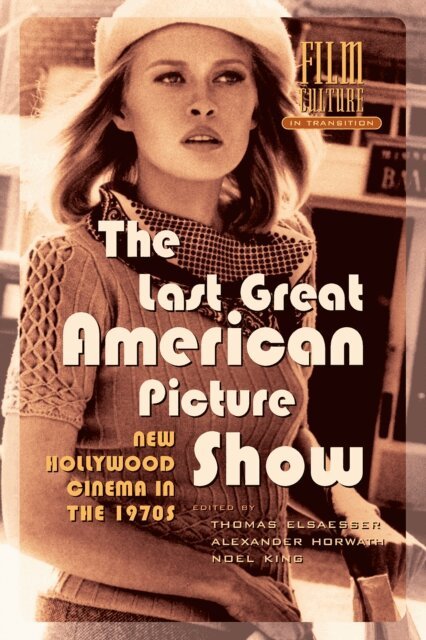
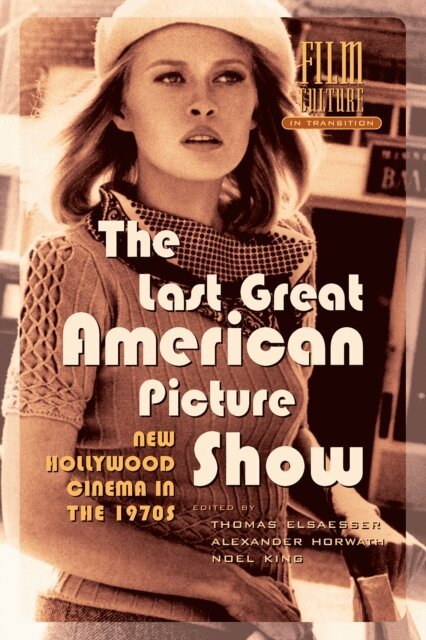
The Last Great American Picture Show brings together essays by scholars and writers who chart the changing evaluations of the American cinema of the 1970s, sometimes referred to as the decade of the lost generation, but now more and more recognized as the first New Hollywood, without which the cinema of Francis Coppola, Steven Spielberg, Robert Zemeckis, Tim Burton or Quentin Tarantino could not have come into existence. Identified with directors such as Sam Peckinpah, Arthur Penn, Peter Bogdanovich, Monte Hellman, Bob Rafelson, Hal Ashby, Robert Altman and James Toback, American cinema of the 1970s is long overdue for this re-evaluation. Many of the films have not only come back from oblivion, as the benchmark for new directorial talents. They have also become cult films in the video shops and the classics of film courses all over the world.
1 231 kr
Läs direkt efter köp
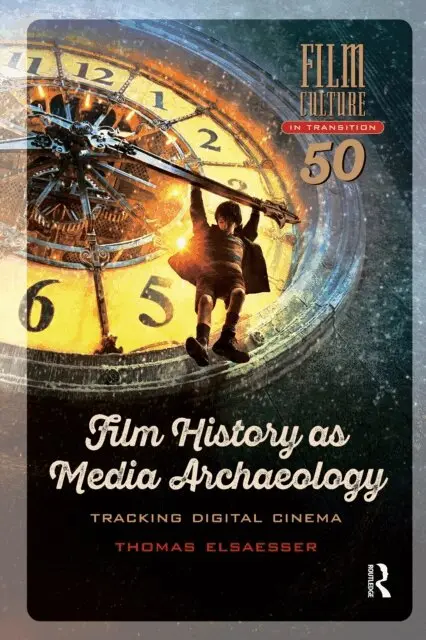
Since cinema has entered the digital era, its very nature has come under renewed scrutiny. Countering the ''death of cinema'' debate, Film History as Media Archaeology presents a robust argument for the cinema''s current status as a new epistemological object, of interest to philosophers, while also examining the presence of moving images in the museum and art spaces as a challenge for art history. The current study is the fruit of some twenty years of research and writing at the interface of film history, media theory and media archaeology by one of the acknowledged pioneers of the ''new film history'' and ''media archaeology''. It joins the efforts of other media scholars to locate cinema''s historical emergence and subsequent transformations within the broader field of media change and interaction, as we experience them today.
28 kr
Läs direkt efter köp
1 231 kr
Läs direkt efter köp
Since cinema has entered the digital era, its very nature has come under renewed scrutiny. Countering the ''death of cinema'' debate, Film History as Media Archaeology presents a robust argument for the cinema''s current status as a new epistemological object, of interest to philosophers, while also examining the presence of moving images in the museum and art spaces as a challenge for art history. The current study is the fruit of some twenty years of research and writing at the interface of film history, media theory and media archaeology by one of the acknowledged pioneers of the ''new film history'' and ''media archaeology''. It joins the efforts of other media scholars to locate cinema''s historical emergence and subsequent transformations within the broader field of media change and interaction, as we experience them today.
1 448 kr
Läs direkt efter köp
In the face of renewed competition from Hollywood since the early 1980s and the challenges posed to Europe''s national cinemas by the fall of the Wall in 1989, independent filmmaking in Europe has begun to re-invent itself. European Cinema: Face to Face with Hollywood re-assesses the different debates and presents a broader framework for understanding the forces at work since the 1960s. These include the interface of world cinema and the rise of Asian cinemas, the importance of the international film festival circuit, the role of television, as well as the changing aesthetics of auteur cinema. New audiences have different allegiances, and new technologies enable networks to reshape identities, but European cinema still has an important function in setting critical and creative agendas, even as its economic and institutional bases are in transition.
28 kr
Läs direkt efter köp
745 kr
Läs direkt efter köp
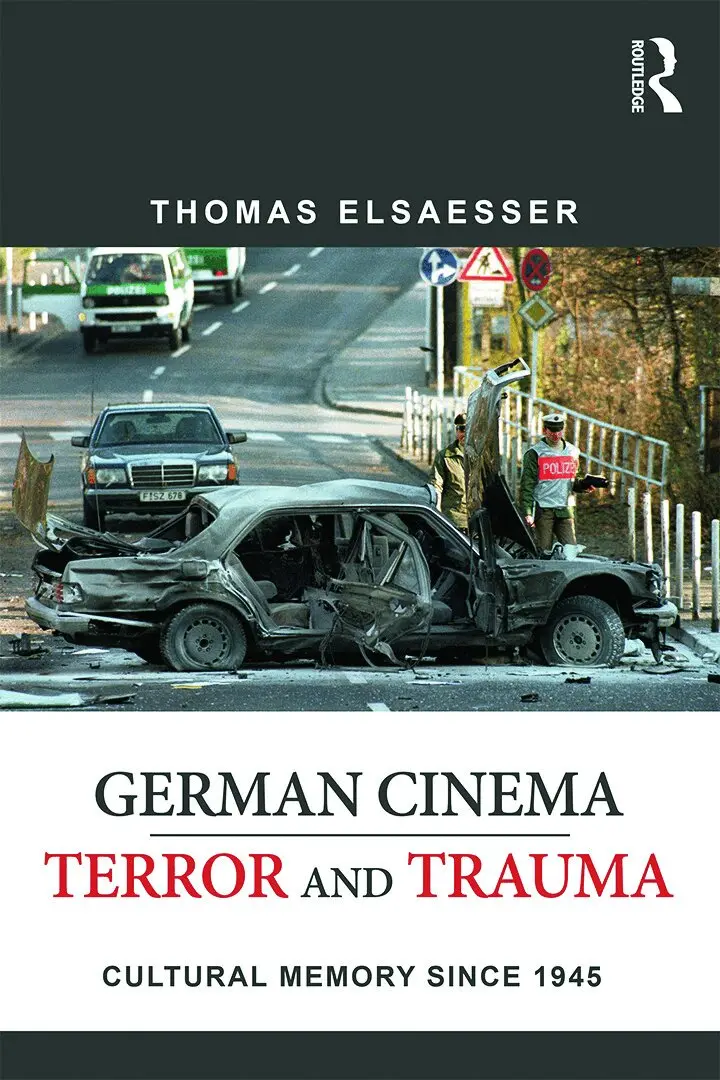
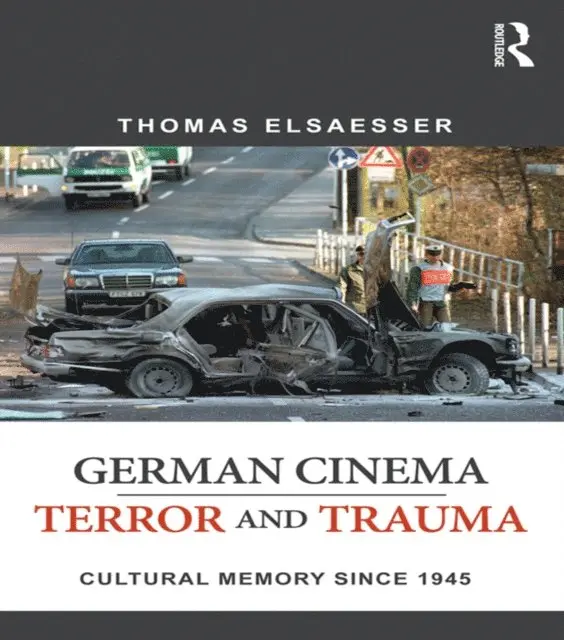
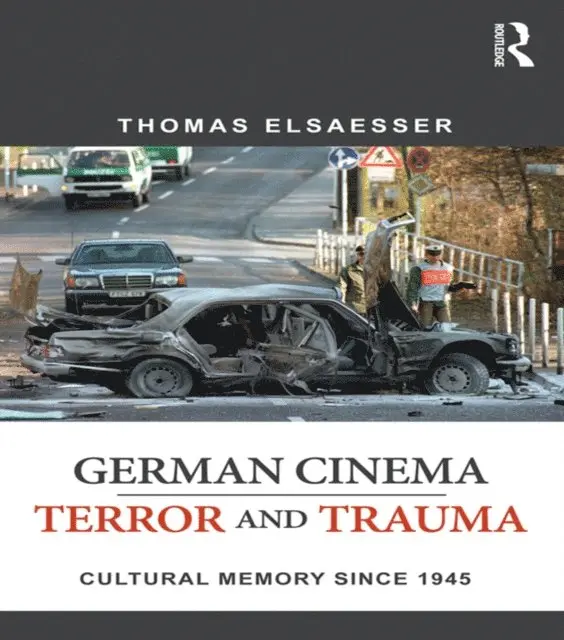
In German Cinema – Terror and Trauma Since 1945, Thomas Elsaesser reevaluates the meaning of the Holocaust for postwar German films and culture, while offering a reconsideration of trauma theory today. Elsaesser argues that Germany''s attempts at "mastering the past" can be seen as both a failure and an achievement, making it appropriate to speak of an ongoing ''guilt management'' that includes not only Germany, but Europe as a whole. In a series of case studies, which consider the work of Konrad Wolf, Alexander Kluge, Rainer Werner Fassbinder, Herbert Achterbusch and Harun Farocki, as well as films made in the new century, Elsaesser tracks the different ways the Holocaust is present in German cinema from the 1950s onwards, even when it is absent, or referenced in oblique and hyperbolic ways. Its most emphatically "absent presence" might turn out to be the compulsive afterlife of the Red Army Faction, whose acts of terror in the 1970s were a response to—as well as a reminder of—Nazism’s hold on the national imaginary. Since the end of the Cold War and 9/11, the terms of the debate around terror and trauma have shifted also in Germany, where generational memory now distributes the roles of historical agency and accountability differently. Against the background of universalized victimhood, a cinema of commemoration has, if anything, confirmed the violence that the past continues to exert on the present, in the form of missed encounters, retroactive incidents, unintended slippages and uncanny parallels, which Elsaesser—reviving the full meaning of Freud’s Fehlleistung—calls the parapractic performativity of cultural memory.
750 kr
Läs direkt efter köp
In German Cinema – Terror and Trauma Since 1945, Thomas Elsaesser reevaluates the meaning of the Holocaust for postwar German films and culture, while offering a reconsideration of trauma theory today. Elsaesser argues that Germany''s attempts at "mastering the past" can be seen as both a failure and an achievement, making it appropriate to speak of an ongoing ''guilt management'' that includes not only Germany, but Europe as a whole. In a series of case studies, which consider the work of Konrad Wolf, Alexander Kluge, Rainer Werner Fassbinder, Herbert Achterbusch and Harun Farocki, as well as films made in the new century, Elsaesser tracks the different ways the Holocaust is present in German cinema from the 1950s onwards, even when it is absent, or referenced in oblique and hyperbolic ways. Its most emphatically "absent presence" might turn out to be the compulsive afterlife of the Red Army Faction, whose acts of terror in the 1970s were a response to—as well as a reminder of—Nazism’s hold on the national imaginary. Since the end of the Cold War and 9/11, the terms of the debate around terror and trauma have shifted also in Germany, where generational memory now distributes the roles of historical agency and accountability differently. Against the background of universalized victimhood, a cinema of commemoration has, if anything, confirmed the violence that the past continues to exert on the present, in the form of missed encounters, retroactive incidents, unintended slippages and uncanny parallels, which Elsaesser—reviving the full meaning of Freud’s Fehlleistung—calls the parapractic performativity of cultural memory.
729 kr
Läs direkt efter köp
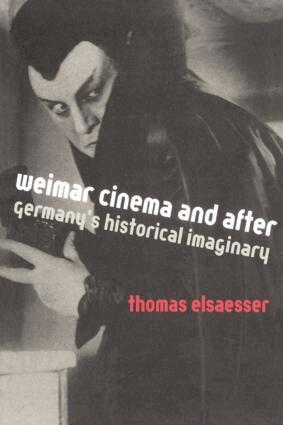
German cinema of the 1920s is still regarded as one of the ''golden ages'' of world cinema. Films such as The Cabinet of Dr Caligari, Dr Mabuse the Gambler, Nosferatu, Metropolis, Pandora''s Box and The Blue Angel have long been canonised as classics, but they are also among the key films defining an image of Germany as a nation uneasy with itself. The work of directors like Fritz Lang, F.W. Murnau and G.W. Pabst, which having apparently announced the horrors of fascism, while testifying to the traumas of a defeated nation, still casts a long shadow over cinema in Germany, leaving film history and political history permanently intertwined.Weimar Cinema and After offers a fresh perspective on this most ''national'' of national cinemas, re-evaluating the arguments which view genres and movements such as ''films of the fantastic'', ''Nazi Cinema'', ''film noir'' and ''New German Cinema'' as typically German contributions to twentieth century visual culture. Thomas Elsaesser questions conventional readings which link these genres to romanticism and expressionism, and offers new approaches to analysing the function of national cinema in an advanced ''culture industry'' and in a Germany constantly reinventing itself both geographically and politically.Elsaesser argues that German cinema''s significance lies less in its ability to promote democracy or predict fascism than in its contribution to the creation of a community sharing a ''historical imaginary'' rather than a ''national identity''. In this respect, he argues, German cinema anticipated some of the problems facing contemporary nations in reconstituting their identities by means of media images, memory, and invented traditions.
745 kr
Läs direkt efter köp
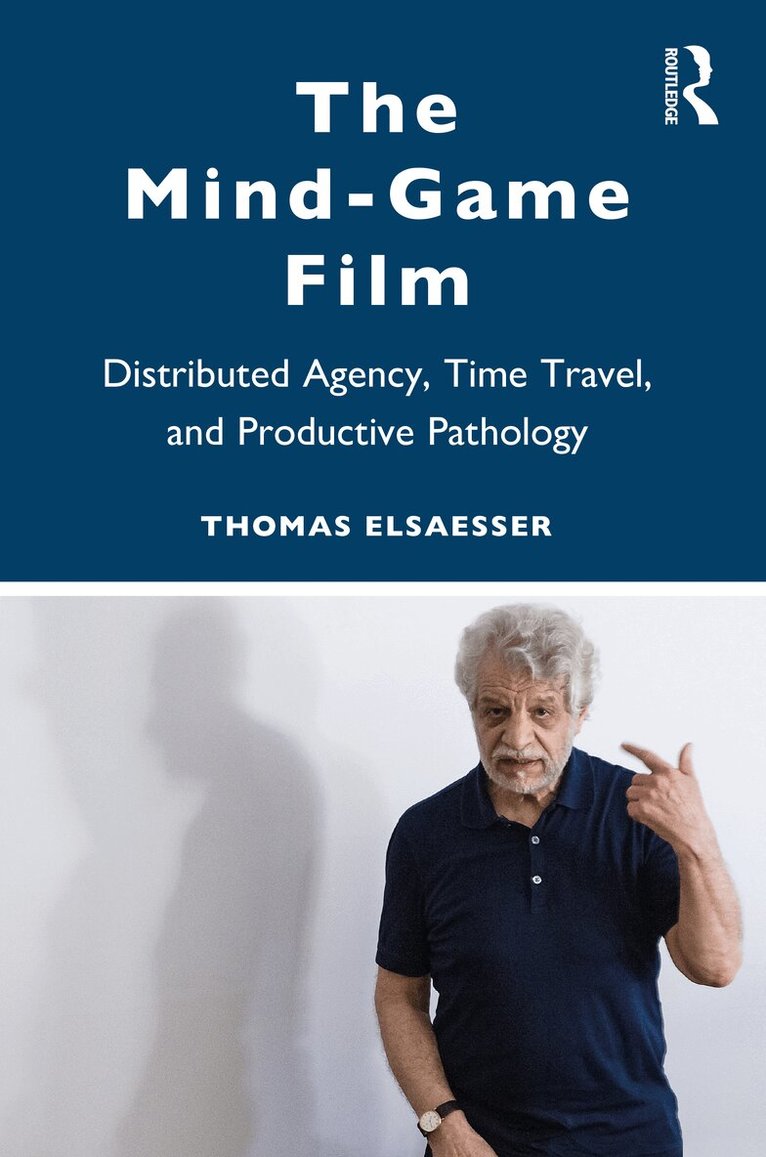
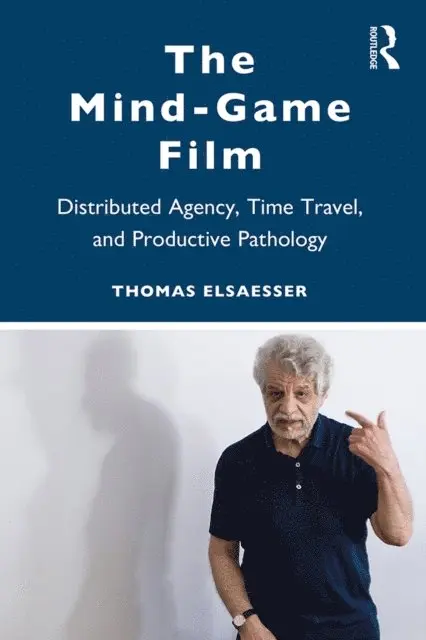
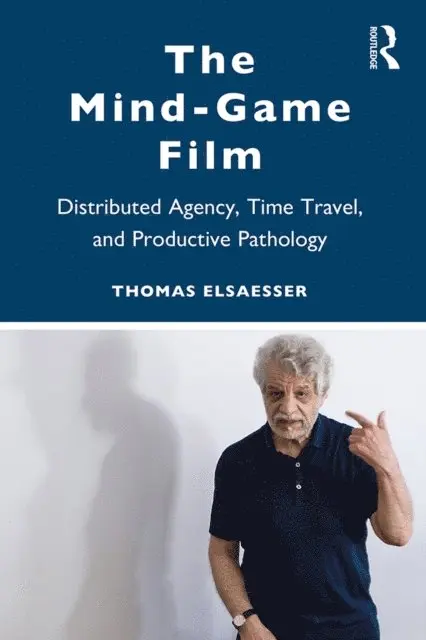
This book represents the culmination of Thomas Elsaesser’s intense and passionate thinking about the Hollywood mind-game film from the previous two decades.
In order to answer what the mind-game film is, why they exist, and how they function, Elsaesser maps the industrial-institutional challenges and constraints facing Hollywood, and the broader philosophic horizon within which American cinema thrives today. He demonstrates how the ‘Persistence of Hollywood’ continues as it has adapted to include new twists and turns, as well as revisions of past concerns, as film moves through the 21st century. Through examples such as Minority Report, Mulholland Drive, Source Code, and Back to the Future, Elsaesser explores how mind-game films challenge us and play games with our perception of reality, creating skepticism and (self-) doubt. He also highlights the mind-game film''s tendency to intervene in a complex fashion in the political moment by questioning the dominant power’s intent to program both body and mind alike.
Prescient and compelling, The Mind-Game Film will appeal to students, scholars, and enthusiasts of media studies, film studies, philosophy, and politics.
813 kr
Läs direkt efter köp
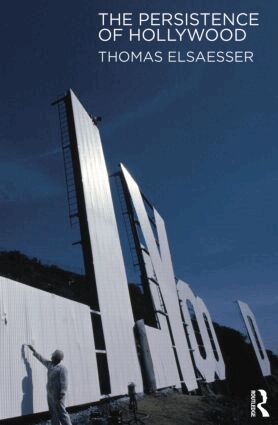
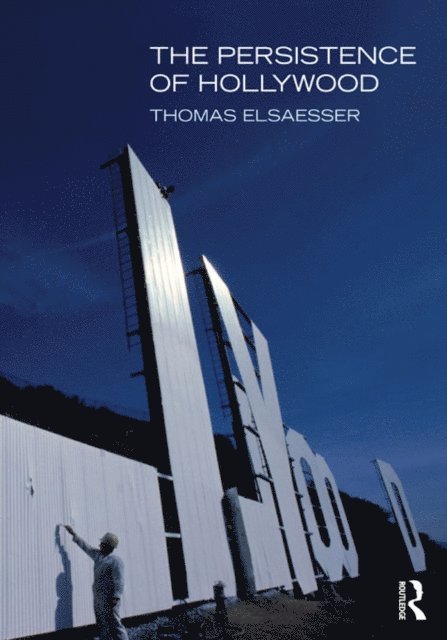
While Hollywood’s success – its persistence – has remained constant for almost one hundred years, the study of its success has undergone significant expansion and transformation. Since the 1960s, Thomas Elsaesser’s research has spearheaded the study of Hollywood, beginning with his classic essays on auteurism and cinephilia, focused around a director’s themes and style, up to his analysis of the "corporate authorship" of contemporary director James Cameron. In between, he has helped to transform film studies by incorporating questions of narrative, genre, desire, ideology and, more recently, Hollywood’s economic-technological infrastructure and its place within global capitalism.
The Persistence of Hollywood brings together Elsaesser’s key writings about Hollywood filmmaking. It includes his detailed studies of individual directors (including Minnelli, Fuller, Ray, Hitchcock, Lang, Altman, Kubrick, Coppola, and Cameron), as well as essays charting the shifts from classic to corporate Hollywood by way of the New Hollywood and the resurgence of the blockbuster. The book also presents a history of the different critical-theoretical paradigms central to film studies in its analysis of Hollywood, from auteurism and cinephilia to textual analysis, Marxism, psychoanalysis, and post-industrial analysis.
838 kr
Läs direkt efter köp
While Hollywood’s success – its persistence – has remained constant for almost one hundred years, the study of its success has undergone significant expansion and transformation. Since the 1960s, Thomas Elsaesser’s research has spearheaded the study of Hollywood, beginning with his classic essays on auteurism and cinephilia, focused around a director’s themes and style, up to his analysis of the "corporate authorship" of contemporary director James Cameron. In between, he has helped to transform film studies by incorporating questions of narrative, genre, desire, ideology and, more recently, Hollywood’s economic-technological infrastructure and its place within global capitalism.
The Persistence of Hollywood brings together Elsaesser’s key writings about Hollywood filmmaking. It includes his detailed studies of individual directors (including Minnelli, Fuller, Ray, Hitchcock, Lang, Altman, Kubrick, Coppola, and Cameron), as well as essays charting the shifts from classic to corporate Hollywood by way of the New Hollywood and the resurgence of the blockbuster. The book also presents a history of the different critical-theoretical paradigms central to film studies in its analysis of Hollywood, from auteurism and cinephilia to textual analysis, Marxism, psychoanalysis, and post-industrial analysis.
2 720 kr
Skickas inom 10-15 vardagar
848 kr
Skickas inom 10-15 vardagar
1 004 kr
Läs direkt efter köp
What is the relationship between cinema and spectator? This is the key question for film theory, and one that Thomas Elsaesser and Malte Hagener put at the center of their insightful and engaging book, now revised from its popular first edition. Every kind of cinema (and every film theory) first imagines an ideal spectator, and then maps certain dynamic interactions between the screen and the spectator’s mind, body and senses. Using seven distinctive configurations of spectator and screen that move progressively from ‘exterior’ to ‘interior’ relationships, the authors retrace the most important stages of film theory from its beginnings to the present—from neo-realist and modernist theories to psychoanalytic, ‘apparatus,’ phenomenological and cognitivist theories, and including recent cross-overs with philosophy and neurology.
This new and updated edition of Film Theory: An Introduction through the Senses has been extensively revised and rewritten throughout, incorporating discussion of contemporary films like Her and Gravity, and including a greatly expanded final chapter, which brings film theory fully into the digital age.
976 kr
Läs direkt efter köp
What is the relationship between cinema and spectator? This is the key question for film theory, and one that Thomas Elsaesser and Malte Hagener put at the center of their insightful and engaging book, now revised from its popular first edition. Every kind of cinema (and every film theory) first imagines an ideal spectator, and then maps certain dynamic interactions between the screen and the spectator’s mind, body and senses. Using seven distinctive configurations of spectator and screen that move progressively from ‘exterior’ to ‘interior’ relationships, the authors retrace the most important stages of film theory from its beginnings to the present—from neo-realist and modernist theories to psychoanalytic, ‘apparatus,’ phenomenological and cognitivist theories, and including recent cross-overs with philosophy and neurology.
This new and updated edition of Film Theory: An Introduction through the Senses has been extensively revised and rewritten throughout, incorporating discussion of contemporary films like Her and Gravity, and including a greatly expanded final chapter, which brings film theory fully into the digital age.