957 kr
Skickas inom 10-15 vardagar
957 kr
Skickas inom 10-15 vardagar
797 kr
Skickas inom 7-10 vardagar
852 kr
Skickas inom 3-6 vardagar
707 kr
Skickas inom 10-15 vardagar
3 433 kr
Skickas inom 10-15 vardagar
232 kr
Skickas inom 7-10 vardagar
532 kr
Skickas inom 10-15 vardagar
2 047 kr
Skickas inom 10-15 vardagar
660 kr
Läs direkt efter köp
733 kr
Läs direkt efter köp
This book offers a comprehensive introduction to the social history of anthropology in the United States, examining the circumstances that gave rise to the discipline and illuminating the role of anthropology in the modern world.
Thomas C. Patterson considers the shifting social and political-economic conditions in which anthropological knowledge has been produced and deployed, the appearance of practices focused on particular regions or groups, the place of anthropology in structures of power, and the role of the educator in forging, perpetuating, and changing representations of past and contemporary peoples. The book addresses the negative reputation that anthropology took on as an offspring of imperialism, and provides fascinating insight into the social history of America.
In this second edition, the material has been revised and updated, including a new chapter that covers anthropological theory and practice during the turmoil created by multiple ongoing crises at the beginning of the twenty-first century. This is valuable reading for students and scholars interested in the origins, development, and theory of anthropology.
746 kr
Läs direkt efter köp
571 kr
Läs direkt efter köp
660 kr
Läs direkt efter köp
744 kr
Läs direkt efter köp
This book offers a comprehensive introduction to the social history of anthropology in the United States, examining the circumstances that gave rise to the discipline and illuminating the role of anthropology in the modern world.
Thomas C. Patterson considers the shifting social and political-economic conditions in which anthropological knowledge has been produced and deployed, the appearance of practices focused on particular regions or groups, the place of anthropology in structures of power, and the role of the educator in forging, perpetuating, and changing representations of past and contemporary peoples. The book addresses the negative reputation that anthropology took on as an offspring of imperialism, and provides fascinating insight into the social history of America.
In this second edition, the material has been revised and updated, including a new chapter that covers anthropological theory and practice during the turmoil created by multiple ongoing crises at the beginning of the twenty-first century. This is valuable reading for students and scholars interested in the origins, development, and theory of anthropology.
746 kr
Läs direkt efter köp
567 kr
Läs direkt efter köp
2 601 kr
Skickas inom 10-15 vardagar
927 kr
Läs direkt efter köp
927 kr
Läs direkt efter köp
1 124 kr
Läs direkt efter köp
For courses in Introduction to Archaeology Theory and Methods.Intended for the Introductory Archaeology course with the goal of teaching students how to think like archaeologists, this workbook includes activities that challenge students to interpret and explain field findings and help them to see the link between theory and practice.
1 099 kr
Läs direkt efter köp
For courses in Introduction to Archaeology Theory and Methods.Intended for the Introductory Archaeology course with the goal of teaching students how to think like archaeologists, this workbook includes activities that challenge students to interpret and explain field findings and help them to see the link between theory and practice.
613 kr
Skickas inom 10-15 vardagar
2 515 kr
Skickas inom 10-15 vardagar
838 kr
Läs direkt efter köp
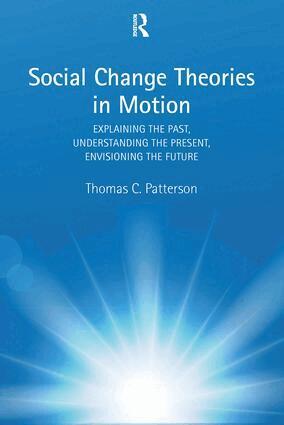
This book assesses how theorists explained processes of change set in motion by the rise of capitalism. It situates them in the milieu in which they wrote. They were never neutral observers standing outside the conditions they were trying to explain. Their arguments were responses to those circumstances and to the views of others commentators, living and dead. Some repeated earlier views; others built on those perspectives; a few changed the way we think. While surveying earlier writers, the author’s primary concerns are theorists who sought to explain industrialization, imperialism, and the consolidation of nation-states after 1840. Marx, Durkheim, and Weber still shape our understandings of the past, present, and future. Patterson focuses on explanations of the unsettled conditions that crystallized in the 1910s and still persist: the rise of socialist states, anti-colonial movements, prolonged economic crises, and almost continuous war. After 1945, theorists in capitalist countries, influenced by Cold War politics, saw social change in terms of economic growth, progress, and modernization; their contemporaries elsewhere wrote about underdevelopment, dependency, or uneven development. In the 1980s, theorists of postmodernity, neoliberalism, globalization, innovations in communications technologies, and post-socialism argued that they rendered earlier accounts insufficient. Others saw them as manifestations of a new imperialism, capitalist accumulation on a global scale, environmental crises, and nationalist populism.

838 kr
Läs direkt efter köp
This book assesses how theorists explained processes of change set in motion by the rise of capitalism. It situates them in the milieu in which they wrote. They were never neutral observers standing outside the conditions they were trying to explain. Their arguments were responses to those circumstances and to the views of others commentators, living and dead. Some repeated earlier views; others built on those perspectives; a few changed the way we think. While surveying earlier writers, the author’s primary concerns are theorists who sought to explain industrialization, imperialism, and the consolidation of nation-states after 1840. Marx, Durkheim, and Weber still shape our understandings of the past, present, and future. Patterson focuses on explanations of the unsettled conditions that crystallized in the 1910s and still persist: the rise of socialist states, anti-colonial movements, prolonged economic crises, and almost continuous war. After 1945, theorists in capitalist countries, influenced by Cold War politics, saw social change in terms of economic growth, progress, and modernization; their contemporaries elsewhere wrote about underdevelopment, dependency, or uneven development. In the 1980s, theorists of postmodernity, neoliberalism, globalization, innovations in communications technologies, and post-socialism argued that they rendered earlier accounts insufficient. Others saw them as manifestations of a new imperialism, capitalist accumulation on a global scale, environmental crises, and nationalist populism.

2 843 kr
Skickas inom 10-15 vardagar
791 kr
Skickas inom 10-15 vardagar
2 515 kr
Skickas inom 10-15 vardagar
645 kr
Skickas inom 10-15 vardagar
2 602 kr
Skickas inom 10-15 vardagar