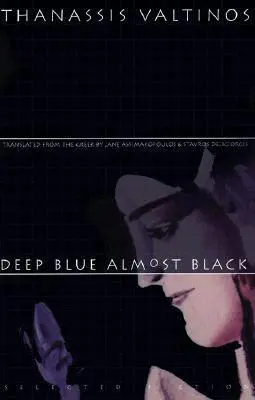
From a master of modernist literature, Thanassis Valtinos, this volume collects two ground-breaking novellas that altered the trajectory of Greek fiction, together with two autobiographical short stories. Here Valtinos maps the fates of his native Peloponnesian villagers through odysseys of departure and historical upheaval. Set in the early twentieth century, "The Book of Andreas Kordopatis" records the repeated attempts of the narrator to emigrate to America. Wrought from a first-hand account, it offers a revelatory view of the struggles of the undocumented in that era. "The Descent of the Nine" is a civil war drama that details the attrition of nine Communist rebels trapped in government-controlled territory. In Addiction to Nicotine the onset of adolescence interfuses with the last stages of the leftist grip on the countryside. Aistratigos offers the keenly sketched portrait of a veteran, whose privation, in war and affection, has led to an almost mystical reclusiveness.
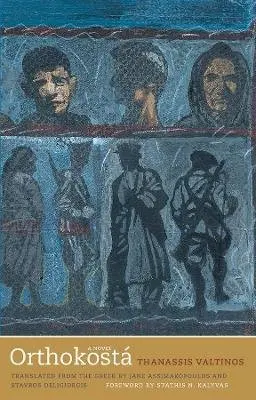
A preeminent work of modern Greek literature, this provocative novel poses difficult questions about the nation’s Nazi occupation and early Civil War yearsFirst published in 1994 to a storm of controversy, Thanassis Valtinos’s probing novel Orthokostá defied standard interpretations of the Greek Civil War. Through the documentary-style testimonies of multiple narrators, among them the previously unheard voices of right-wing collaborationists, Valtinos provides a powerful, nuanced interpretation of events during the later years of Nazi occupation and the early stages of the nation’s Civil War. His fictionalized chronicle gives participants, victims, and innocent bystanders equal opportunity to bear witness to such events as the burning of Valtinos’s home village, the detention and execution of combatants and civilians in the monastery of Orthokostá, and the revenge killings that ensued. As a transforming work of literature, this book redefined established methods of fiction; as a work of revisionist history, it changed the way Greece understands its own past. Now, through this masterful translation of Orthokostá, English-language readers have full access to the tremendous vitality of Valtinos’s work and to the divisive Civil War experiences that continue to echo in Greek politics and events today.