573 kr
Skickas inom 7-10 vardagar
573 kr
Skickas inom 7-10 vardagar
514 kr
Läs direkt efter köp
1 229 kr
Läs direkt efter köp
1 229 kr
Läs direkt efter köp
485 kr
Läs direkt efter köp
750 kr
Läs direkt efter köp
750 kr
Läs direkt efter köp
1 310 kr
Skickas inom 5-8 vardagar
1 610 kr
Skickas inom 3-6 vardagar
361 kr
Skickas inom 5-8 vardagar
1 404 kr
Skickas inom 7-10 vardagar
757 kr
Läs direkt efter köp
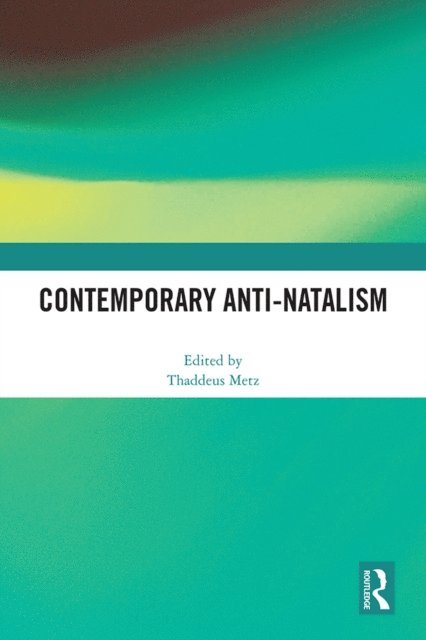
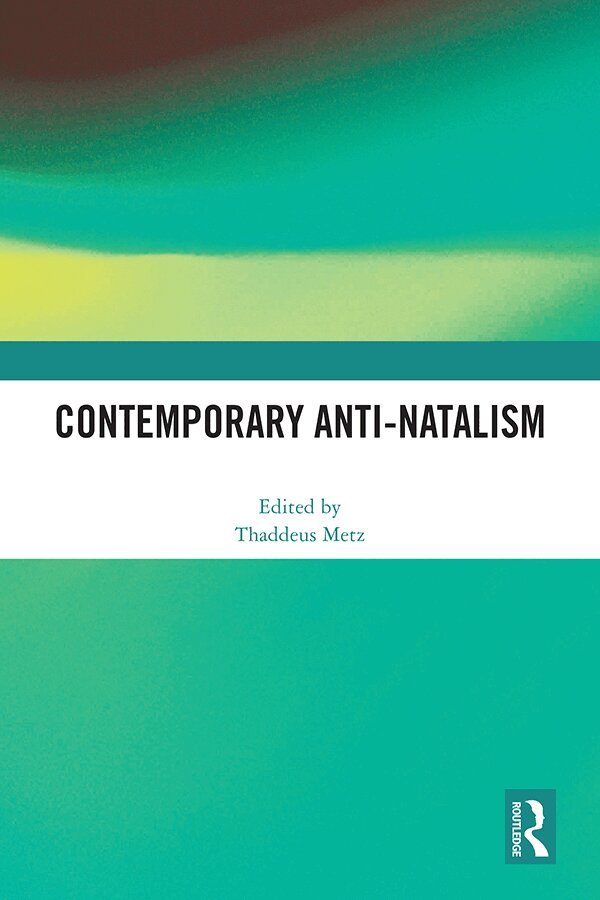
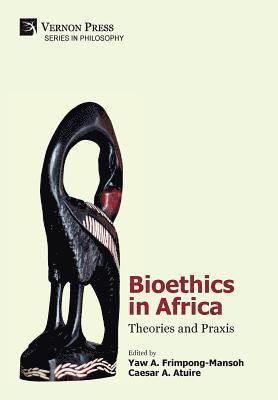
Given the pain, discomfort, anxiety, heartbreak, and boredom that most humans experience in their lives, is it morally permissible to create them? Some philosophers lately have answered ‘No’, contending that it is wrong to create a new human life when one could avoid doing so, because it would be bad for the one created. This view is known as ‘anti-natalism’. Some contributors to this volume argue that anti-natalism is true because: agents have a prima facie duty to prevent suffering; it is immoral to violate another’s right not to be harmed without having consented to it; and it is a serious wrong to exploit the weakness of a poorly off being to become a biological parent. Others here argue against anti-natalism on the ground, for instance, that many of our lives are not so bad and in fact are quite good and that the logic of anti-natalism absurdly entails pro-mortalism, the view that we should kill off as many people as possible. This book explores these and related issues concerning the evaluative question of how to judge the worthwhileness of lives and the normative question of what basic duties entail for the creation of new lives. Excepting one, all the chapters in this book were originally published in the South African Journal of Philosophy.
502 kr
Läs direkt efter köp
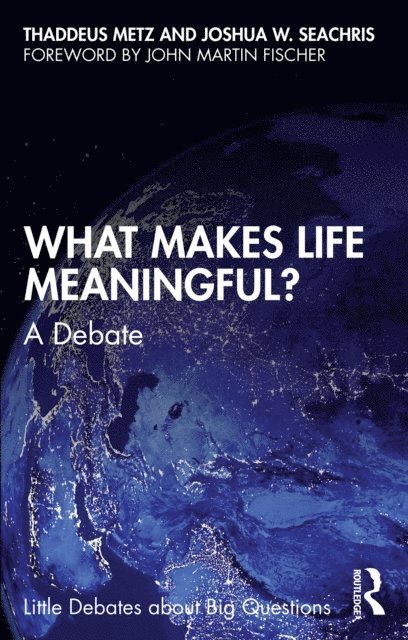
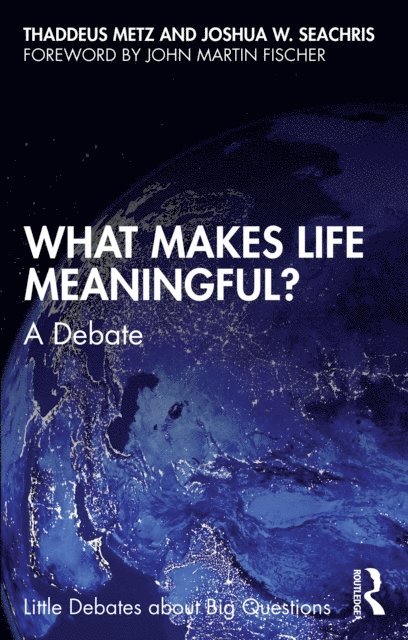
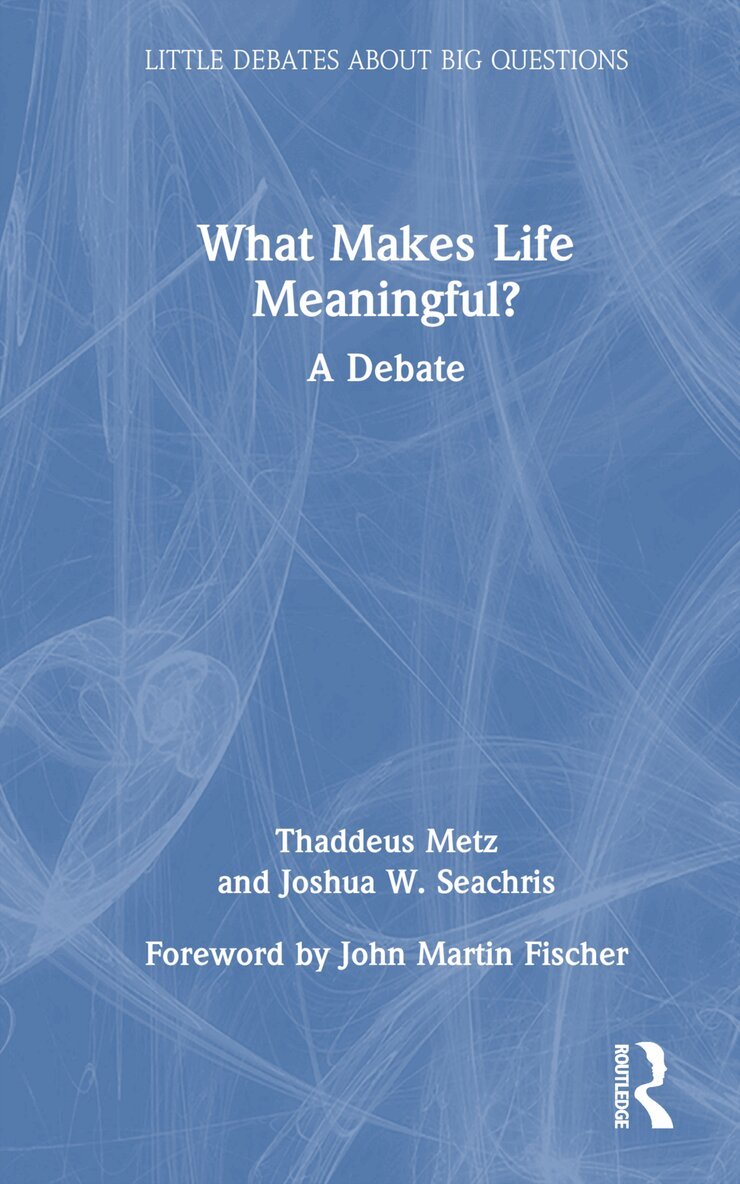
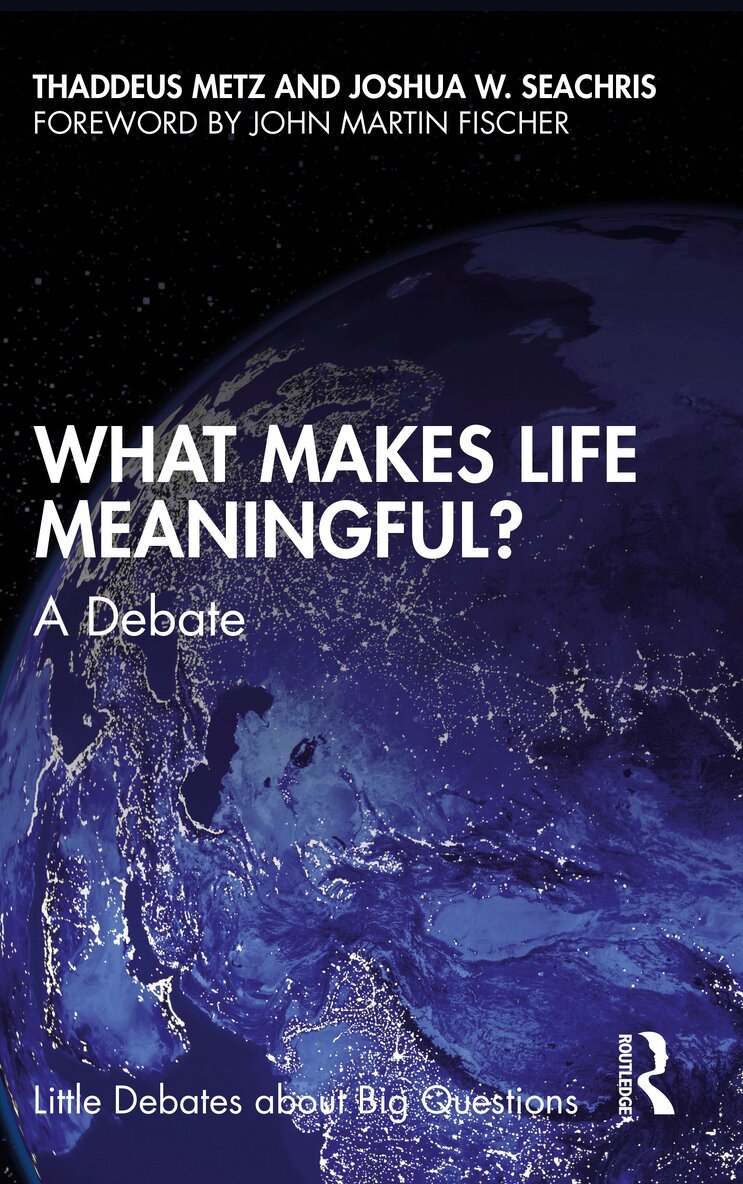
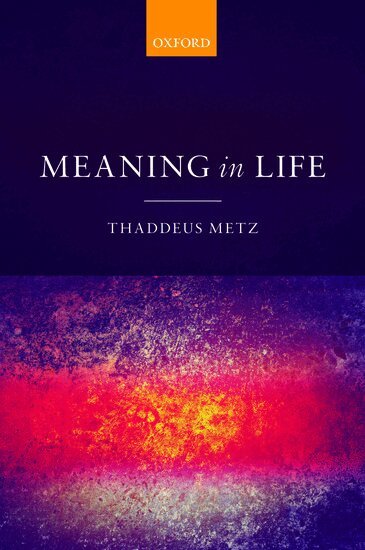
Can human life be meaningful? What does talk about life’s meaning even mean? What is God’s role, if any, in a meaningful life? These three questions frame this one-of-a-kind debate between two philosophers who have spent most of their professional lives thinking and writing about the topic of life’s meaning.
In this wide-ranging scholarly conversation, Professors Thaddeus Metz and Joshua W. Seachris develop and defend their own unique answers to these questions, while responding to each other’s objections in a lively dialog format. Seachris argues that the concept of life’s meaning largely revolves around three interconnected ideas—mattering, purpose, and sense-making; that a meaningful human life involves sufficiently manifesting all three; and that God would importantly enhance the meaningfulness of life on each of these three fronts. Metz instead holds that talk of life’s meaning is about a variety of properties such as meriting pride, transcending one’s animal self, making a contribution, and authoring a life-story. For him, many lives are meaningful insofar as they exercise intelligence in positive, robust, and developmental ways. Finally, Metz argues that God is unnecessary for an objective meaning that suits human nature.
Metz and Seachris develop and defend their own unique answers to these three questions, while responding to each other’s objections in a dialog format that is accessible to students though—given their new contributions—will be of great interest to scholars as well.
Key Features
Offers an up-to-date scholarly conversation on life’s meaning by two researchers at the forefront of research on the topic. Provides a wide-ranging, yet orderly discussion of the most important issues. Accessible for the student investigating the topic for the first time yet also valuable to the scholar working on life’s meaning. Includes helpful pedagogical features, like:- Chapter outlines and introductions;- Annotated reading lists for both students and research-level readers;- A glossary; and- Clear examples, thought experiments, narratives, and cultural references, which enhance the book’s role in thinking about life’s meaning and related topics.502 kr
Läs direkt efter köp
Can human life be meaningful? What does talk about life’s meaning even mean? What is God’s role, if any, in a meaningful life? These three questions frame this one-of-a-kind debate between two philosophers who have spent most of their professional lives thinking and writing about the topic of life’s meaning.
In this wide-ranging scholarly conversation, Professors Thaddeus Metz and Joshua W. Seachris develop and defend their own unique answers to these questions, while responding to each other’s objections in a lively dialog format. Seachris argues that the concept of life’s meaning largely revolves around three interconnected ideas—mattering, purpose, and sense-making; that a meaningful human life involves sufficiently manifesting all three; and that God would importantly enhance the meaningfulness of life on each of these three fronts. Metz instead holds that talk of life’s meaning is about a variety of properties such as meriting pride, transcending one’s animal self, making a contribution, and authoring a life-story. For him, many lives are meaningful insofar as they exercise intelligence in positive, robust, and developmental ways. Finally, Metz argues that God is unnecessary for an objective meaning that suits human nature.
Metz and Seachris develop and defend their own unique answers to these three questions, while responding to each other’s objections in a dialog format that is accessible to students though—given their new contributions—will be of great interest to scholars as well.
Key Features
Offers an up-to-date scholarly conversation on life’s meaning by two researchers at the forefront of research on the topic. Provides a wide-ranging, yet orderly discussion of the most important issues. Accessible for the student investigating the topic for the first time yet also valuable to the scholar working on life’s meaning. Includes helpful pedagogical features, like:- Chapter outlines and introductions;- Annotated reading lists for both students and research-level readers;- A glossary; and- Clear examples, thought experiments, narratives, and cultural references, which enhance the book’s role in thinking about life’s meaning and related topics.292 kr
Läs direkt efter köp
306 kr
Skickas inom 7-10 vardagar
284 kr
Läs direkt efter köp
905 kr
Skickas inom 7-10 vardagar
2 136 kr
Skickas inom 10-15 vardagar
642 kr
Skickas inom 10-15 vardagar
2 526 kr
Skickas inom 10-15 vardagar
490 kr
Skickas inom 10-15 vardagar
306 kr
Skickas inom 7-10 vardagar
287 kr
Läs direkt efter köp
287 kr
Läs direkt efter köp
648 kr
Skickas inom 7-10 vardagar
426 kr
Skickas inom 7-10 vardagar