399 kr
Skickas inom 3-6 vardagar
399 kr
Skickas inom 3-6 vardagar
441 kr
Skickas inom 3-6 vardagar
860 kr
Skickas inom 10-15 vardagar
405 kr
Skickas inom 10-15 vardagar
1 073 kr
Skickas inom 10-15 vardagar
1 073 kr
Skickas inom 10-15 vardagar
1 161 kr
Läs direkt efter köp
2 526 kr
Skickas inom 10-15 vardagar
3 175 kr
Skickas inom 10-15 vardagar
2 571 kr
Skickas inom 10-15 vardagar
872 kr
Skickas inom 10-15 vardagar
1 004 kr
Läs direkt efter köp
1 004 kr
Läs direkt efter köp
520 kr
Skickas inom 10-15 vardagar
878 kr
Skickas inom 10-15 vardagar
815 kr
Läs direkt efter köp
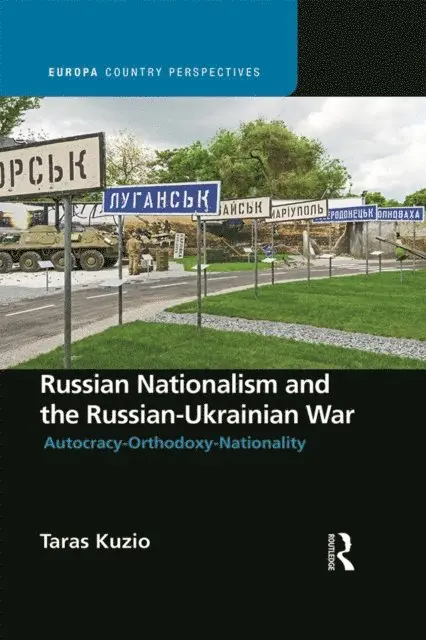
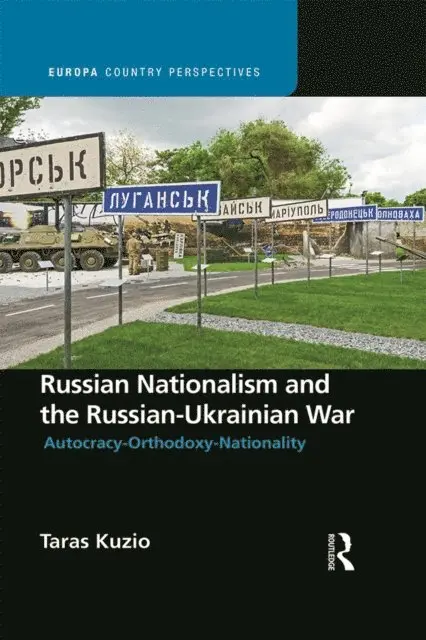
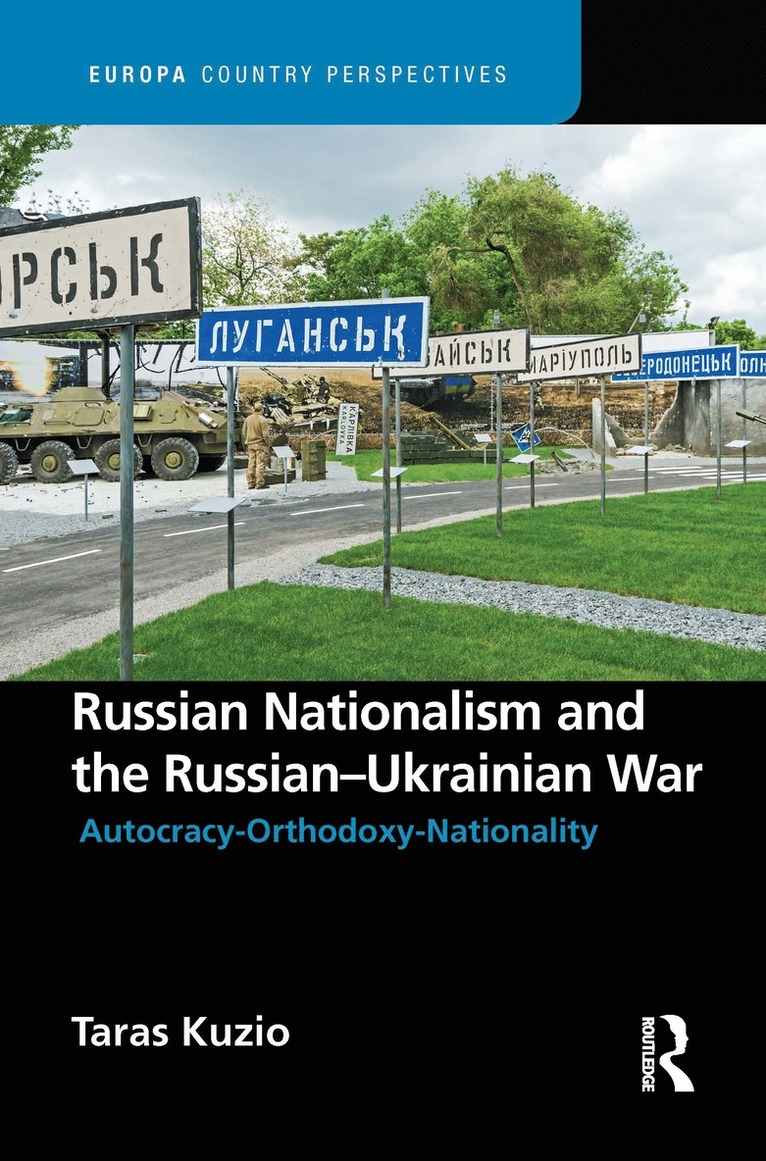
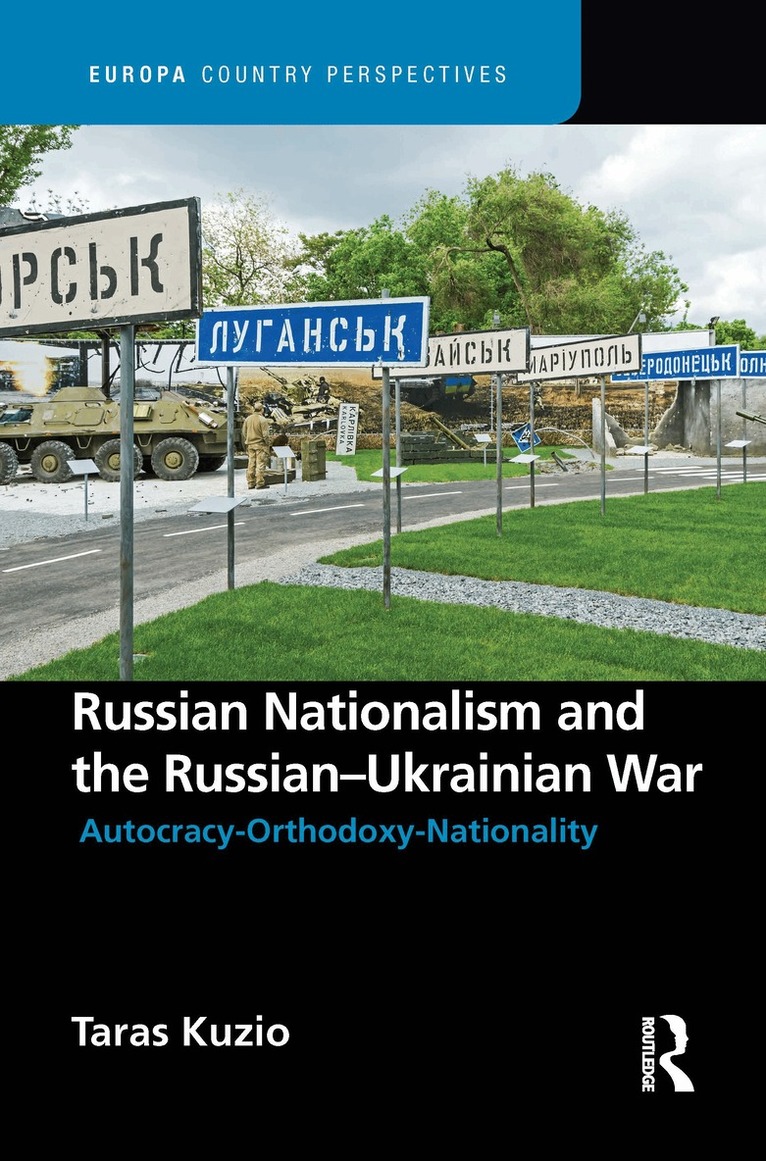
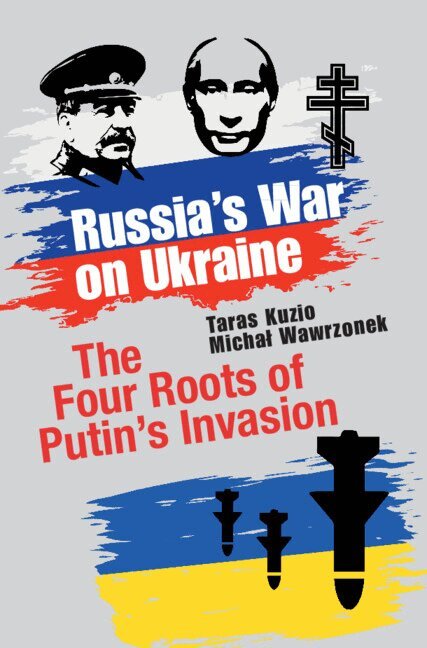
This book is the first to provide an in-depth understanding of the 2014 crisis, Russia’s annexation of Crimea and Europe’s de facto war between Russia and Ukraine. The book provides a historical and contemporary understanding behind President Vladimir Putin Russia’s obsession with Ukraine and why Western opprobrium and sanctions have not deterred Russian military aggression.
The volume provides a wealth of detail about the inability of Russia, from the time of the Tsarist Empire, throughout the era of the Union of Soviet Socialist Republics (USSR), and since the dissolution of the latter in 1991, to accept Ukraine as an independent country and Ukrainians as a people distinct and separate from Russians. The book highlights the sources of this lack of acceptance in aspects of Russian national identity. In the Soviet period, Russians principally identified themselves not with the Russian Soviet Federative Republic, but rather with the USSR as a whole. Attempts in the 1990s to forge a post-imperial Russian civic identity grounded in the newly independent Russian Federation were unpopular, and notions of a far larger Russian ‘imagined community’ came to the fore. A post-Soviet integration of Tsarist Russian great power nationalism and White Russian émigré chauvinism had already transformed and hardened Russian denial of the existence of Ukraine and Ukrainians as a people, even prior to the 2014 crises in Crimea and the Donbas. Bringing an end to both the Russian occupation of Crimea and to the broader Russian–Ukrainian conflict can be expected to meet obstacles not only from the Russian de facto President-for-life, Vladimir Putin, but also from how Russia perceives its national identity.
803 kr
Läs direkt efter köp
This book is the first to provide an in-depth understanding of the 2014 crisis, Russia’s annexation of Crimea and Europe’s de facto war between Russia and Ukraine. The book provides a historical and contemporary understanding behind President Vladimir Putin Russia’s obsession with Ukraine and why Western opprobrium and sanctions have not deterred Russian military aggression.
The volume provides a wealth of detail about the inability of Russia, from the time of the Tsarist Empire, throughout the era of the Union of Soviet Socialist Republics (USSR), and since the dissolution of the latter in 1991, to accept Ukraine as an independent country and Ukrainians as a people distinct and separate from Russians. The book highlights the sources of this lack of acceptance in aspects of Russian national identity. In the Soviet period, Russians principally identified themselves not with the Russian Soviet Federative Republic, but rather with the USSR as a whole. Attempts in the 1990s to forge a post-imperial Russian civic identity grounded in the newly independent Russian Federation were unpopular, and notions of a far larger Russian ‘imagined community’ came to the fore. A post-Soviet integration of Tsarist Russian great power nationalism and White Russian émigré chauvinism had already transformed and hardened Russian denial of the existence of Ukraine and Ukrainians as a people, even prior to the 2014 crises in Crimea and the Donbas. Bringing an end to both the Russian occupation of Crimea and to the broader Russian–Ukrainian conflict can be expected to meet obstacles not only from the Russian de facto President-for-life, Vladimir Putin, but also from how Russia perceives its national identity.
1 358 kr
Skickas inom 7-10 vardagar
408 kr
Läs direkt efter köp
408 kr
Läs direkt efter köp
2 185 kr
Skickas inom 10-15 vardagar
698 kr
Skickas inom 10-15 vardagar
2 267 kr
Skickas inom 10-15 vardagar
981 kr
Läs direkt efter köp
Ukraine: State and Nation Building explores the transformation of Soviet Ukraine into an independent state and examines the new elites and their role in the state building process, as well as other attributes of the modern nation-state such as borders, symbols, myths and national histories. Extensive primary sources and interviews with leading members of Ukranian elites, show that state building is an integral part of the transition process and cannot be divorced from democratization and the establishment of a market economy.
932 kr
Läs direkt efter köp
Ukraine: State and Nation Building explores the transformation of Soviet Ukraine into an independent state and examines the new elites and their role in the state building process, as well as other attributes of the modern nation-state such as borders, symbols, myths and national histories. Extensive primary sources and interviews with leading members of Ukranian elites, show that state building is an integral part of the transition process and cannot be divorced from democratization and the establishment of a market economy.
809 kr
Skickas inom 10-15 vardagar
589 kr
Läs direkt efter köp
589 kr
Läs direkt efter köp
1 034 kr
Läs direkt efter köp
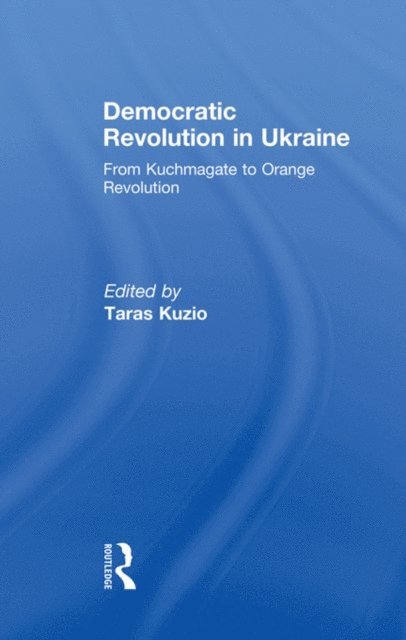
In 2000 a beheaded journalist was found in a remote forest near Kyiv. The corpse led to a scandal when it was revealed that it was that of a journalist critical of the authorities. The President was heard on tapes, made covertly in his office, ordering violence to be undertaken against the journalist. The scandal led to the creation of a wide protest movement that culminated in the victory of democratic opposition parties in 2002. The democratic opposition, led by its presidential candidate Viktor Yushchenko, fought a bitter and fraudulent election campaign in 2004 during which he was poisoned. Widespread election fraud led to Europe’s largest protest movement since the Cold War which became known as the Orange Revolution, known after the campaign colour of the democratic opposition.
This book is the first to provide a collection of studies surveying different aspects of the rise of the Ukraine’s democratic opposition from marginalization, to protest against presidential abuse of office and culminating in the Orange Revolution. It integrates the Kuchmagate crisis of 2000-2001 with that of the Orange Revolution four years later providing a rich, detailed and original study of the origins of the Orange Revolution.
This book was published as a special issue of the Journal of Communist Studies and Transition Politics.
1 012 kr
Läs direkt efter köp
In 2000 a beheaded journalist was found in a remote forest near Kyiv. The corpse led to a scandal when it was revealed that it was that of a journalist critical of the authorities. The President was heard on tapes, made covertly in his office, ordering violence to be undertaken against the journalist. The scandal led to the creation of a wide protest movement that culminated in the victory of democratic opposition parties in 2002. The democratic opposition, led by its presidential candidate Viktor Yushchenko, fought a bitter and fraudulent election campaign in 2004 during which he was poisoned. Widespread election fraud led to Europe’s largest protest movement since the Cold War which became known as the Orange Revolution, known after the campaign colour of the democratic opposition.
This book is the first to provide a collection of studies surveying different aspects of the rise of the Ukraine’s democratic opposition from marginalization, to protest against presidential abuse of office and culminating in the Orange Revolution. It integrates the Kuchmagate crisis of 2000-2001 with that of the Orange Revolution four years later providing a rich, detailed and original study of the origins of the Orange Revolution.
This book was published as a special issue of the Journal of Communist Studies and Transition Politics.