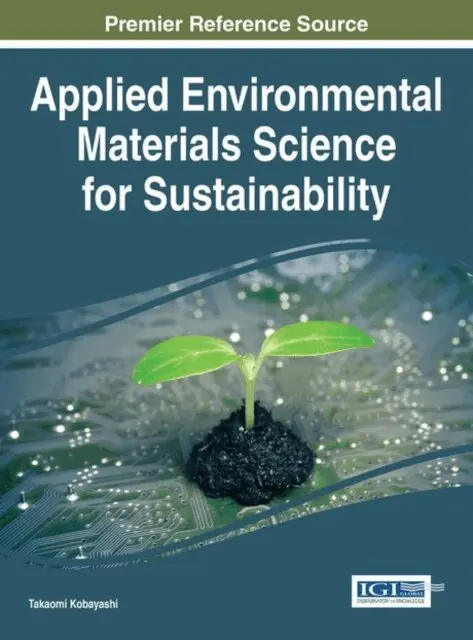
The growing presence of biomass and waste has caused significant changes to the environment. With the ubiquity of these materials, there is an increasing need for proper disposal and reuse of these resources. Applied Environmental Materials Science for Sustainability is a key resource on the latest advancements in environmental materials, including the utilization of biomass and waste for advanced materials. Highlighting innovative studies on renewable resources, green technology, and chemical modification, this book is an ideal reference source for academics, researchers, professionals, and graduate students in the field of environmental and materials sciences and technologies.
The growing presence of biomass and waste has caused significant changes to the environment. With the ubiquity of these materials, there is an increasing need for proper disposal and reuse of these resources. Applied Environmental Materials Science for Sustainability is a key resource on the latest advancements in environmental materials, including the utilization of biomass and waste for advanced materials. Highlighting innovative studies on renewable resources, green technology, and chemical modification, this book is an ideal reference source for academics, researchers, professionals, and graduate students in the field of environmental and materials sciences and technologies.
Produce polymers from renewable biomass using sustainable low-carbon technologies Replacing petroleum-derived polymers with biomass-based alternatives is central to low-carbon material technology. Biomass Polymer Materials: Sustainable Sourcing, Characterization, and Utilization, edited by a team of polymer and materials scientists from Japan, Thailand, Malaysia, and Vietnam, presents scientific concepts, research methods, and engineering applications for producing polymers from renewable biomass resources using environmentally responsible technologies. Biomass Polymer Materials covers the production, properties, and applications of biomass polymeric materials, linking fundamental research on biomass-derived materials to engineering solutions for low-carbon, sustainable societies. The volume explains biomass polymers as carbon-neutral alternatives to petroleum-sourced polymers while addressing the balance between societal needs, economic viability, and environmental stewardship from a global perspective. Readers will also find: Up-to-date coverage connecting biomass polymeric materials research to real-world sustainable society applications across multiple national contextsScientific concepts and research methods for characterizing biomass-derived polymer materials and their carbon-neutral propertiesEngineering applications of low-carbon technologies supporting sustainable development based on fundamental biomass materials researchDiscussion of biodegradability, nano-structure control, and agricultural waste re-use in the context of biomass polymer developmentGlobal perspectives from researchers across four countries addressing key engineering and environmental challenges in biomass utilizationPolymer chemists, materials scientists, chemical engineers, biochemists, biotechnologists, and environmental chemists will find this volume a substantive reference connecting biomass polymer research to sustainable engineering practice. Advanced engineering students seeking current knowledge of biomass-derived materials and low-carbon technologies will also benefit from its scope.