540 kr
Skickas
540 kr
Skickas
205 kr
Skickas
»Tankeväckande. En av de bästa böckerna just nu.« Ingalill Mosander, Aftonbladet
»En vacker bok om öde och ansvar. Det är en våghalsig och lyckad blandning mellan intervju- och tankebok.« Arbetarbladet
Tankeväckande och underhållande läsning! Vad har ödet för betydelse i våra liv? Och hur kan vi förlika oss med vårt förflutna? Den danska psykologiprofessorn Svend Brinkmann är tillbaka med ännu en fullträff till bok.
Är vi rakt igenom autonoma individer, fria att göra det vi vill? Eller spelar ödet någon roll i våra liv? Och hur kan vi förlika oss med vårt förflutna? Det här är frågor som Svend Brinkmann ställer sig i boken Vi blir det liv vi lever.
Startskottet för boken är det handskrivna brev som Svend Brinkmann mottar från en av sina läsare en sommardag 2018. Brevskrivaren Lili, 93 år, och Svend blir brevvänner och börjar så småningom att ses i Lilis lägenhet. Där berättar Lili sin livshistoria: om förälskelser i tyska soldater under kriget, om ångest, sorg, glädje och en strävan efter värdighet under sina 33 år i psykoanalys.
Lilis berättelse väcker funderingar hos Svend: Har vi glömt ödets betydelse för våra liv? Är det betydligt mycket mindre som är upp till oss själva och våra fria val än vad vi har lärt oss att tro? Vi blir det liv vi lever är både en berättelse om Lilis händelserika liv och Svend Brinkmanns tankar om en psykologi som tar ödet på allvar. Eller som Brinkmann uttrycker det: Livet utgörs inte bara av en rad val som är frikopplade från varandra, utan också av ett livslångt förhållande till en livstråd eller ett öde, som individen inte nödvändigtvis själv är upphov till.
SVEND BRINKMANN, född 1975, är professor i allmän psykologi och kvalitativa metoder vid Aalborg universitet i Danmark. Han har tidigare givit ut ett flertal uppmärksammade böcker, däribland Stå fast och Ta ställning för ett meningsfullt liv.
Fler pressröster om boken:
»Det är en mycket gripande och klok bok som Svend Brinkmann har skrivit om att bli människa ... Ett stycke dansk historia sett genom Lilis ögon, förmedlat av ett av landets skarpaste intellekt.« Berlingske
»Det är en fint berättad, lättillgänglig och tankeväckande bok som också många unga skulle kunna läsa med behållning.« Kristeligt Dagblad
»Det är en intressant tanke att vi skulle bli lyckligare av att acceptera att vi har ett öde, inte minst i en tid då föreställningen att livet går att planlägga efter eget behag gång på gång frontalkrockar med verkligheten.« Sydsvenskan
»Brinkmann driver tesen att det som konstituerar en människa psykologiskt är hennes relationella liv, 'vi blir det liv vi lever' genom samvaro med andra ... Att höra Lili berätta om sitt liv är mycket berikande.« Bibliotekstjänst

161 kr
Skickas inom 7-10 vardagar
117 kr
Skickas inom 7-10 vardagar
466 kr
Skickas
153 kr
Skickas inom 7-10 vardagar
153 kr
Skickas inom 7-10 vardagar
557 kr
97 kr
Skickas inom 7-10 vardagar
572 kr
Skickas inom 10-15 vardagar
848 kr
Skickas inom 7-10 vardagar
217 kr
Skickas
I Ta ställning för ett meningsfullt liv pekar Svend Brinkmann på hur vi kan ge mening åt våra liv genom att sluta fokusera på oss själva och vår inre utveckling.Hur bör vi leva? Vad är meningen med livet? Hur ska vi leva tillsammans? Detta är några av de stora och viktiga frågor som Brinkmann tar upp i boken, och det handlar inte om abstrakt resonerande, utan svaren har bäring direkt på våra egna liv.I bokens tio kapitel går Svend Brinkmann igenom tio centrala begrepp inom filosofin som har relevans för dessa frågor. Han låter tio enskilda filosofer guida oss kring specifika frågeställningar såsom godhet, värdighet, sanning, kärlek, förlåtelse och död.Svend Brinkmanns nya bok kan ses som en fristående fortsättning på hans Stå fast, som utkom hösten 2015, och är en lättbegriplig introduktion till de livsfilosofiska frågorna.
1 230 kr
Skickas inom 10-15 vardagar
786 kr
Läs direkt efter köp
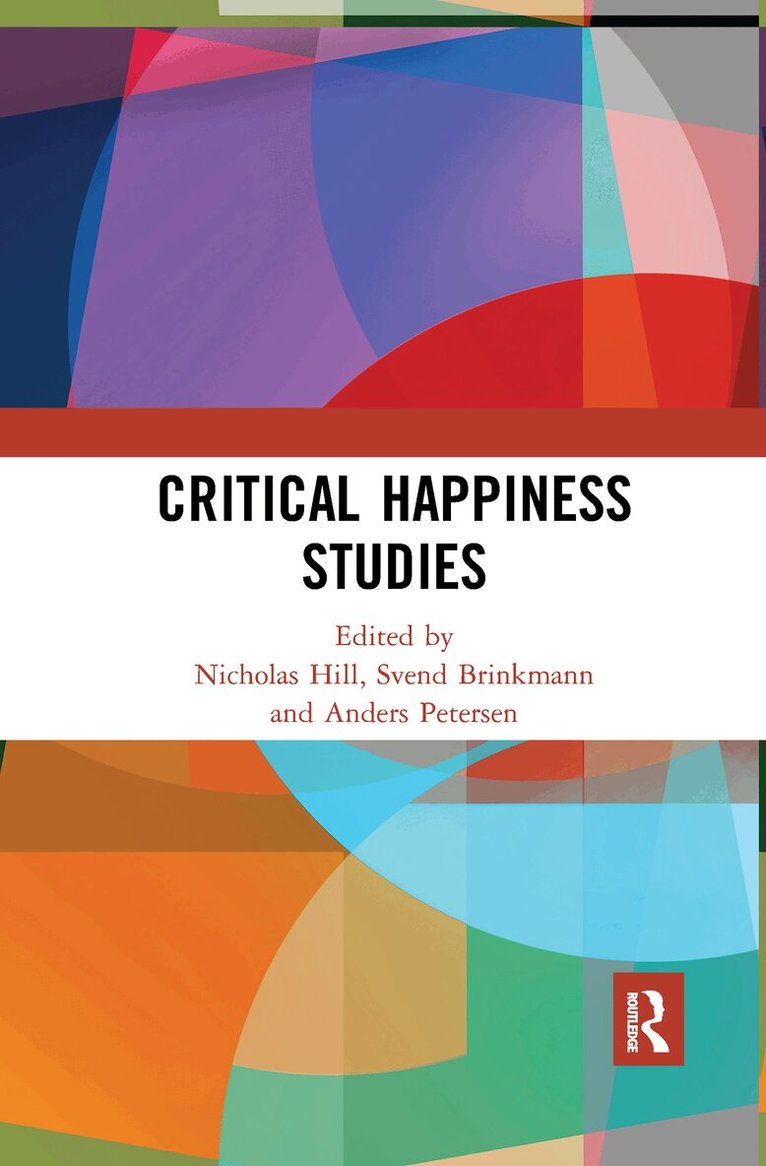
This volume draws together the work of a diverse range of thinkers and researchers to address the question of happiness critically, using a wide variety of theoretical and empirical methodologies. Broadening the discussion beyond what might be considered highly individual and insular conceptualizations of happiness, often based on purely positivist approaches to the subject, authors raise questions about the nature of individual and collective anxieties that might underpin the current emphasis on happiness and the ideological or governmental ends that may be served by the framing of happiness in psychology and economics. With attention to how individuals understand and pursue happiness in their daily lives, Critical Happiness Studies highlights different theoretical paradigms that demonstrate the role of power in producing specific conceptualizations of happiness and, consequently, how they frame individual self-understanding or subjectivities and (re)shape political problems. The collection makes available critical, theoretical, and methodological resources for addressing a powerful set of cultural, political, and scientific discourses that have loomed large since the closing decade of the 20th century. A call for the establishment of a body of work in critical happiness studies, this book will appeal to scholars across the social sciences and humanities interested in the age-old problem of happiness.
158 kr
Skickas inom 7-10 vardagar
460 kr
Läs direkt efter köp
456 kr
Läs direkt efter köp
496 kr
Läs direkt efter köp
496 kr
Läs direkt efter köp
425 kr
Läs direkt efter köp
806 kr
Skickas inom 7-10 vardagar
818 kr
Skickas inom 10-15 vardagar
716 kr
Skickas inom 10-15 vardagar
811 kr
Skickas
713 kr
Skickas inom 10-15 vardagar
2 601 kr
Skickas inom 10-15 vardagar
754 kr
Skickas inom 10-15 vardagar
2 720 kr
Skickas inom 10-15 vardagar
791 kr
Läs direkt efter köp
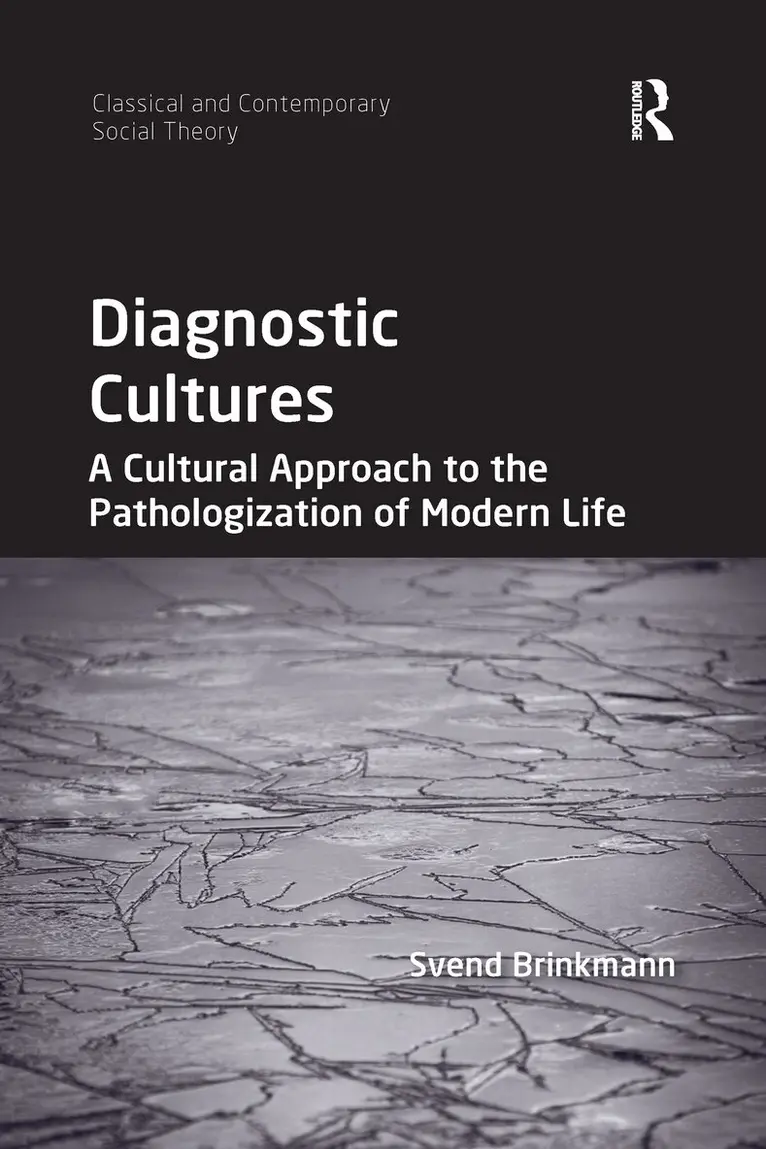
Some studies estimate that each year, around a quarter of the population of Western countries will suffer from at least one mental disorder. Should this be interpreted as evidence for the progress of psychiatry, a discipline that is now able to identify and treat mental illnesses that have always existed, or might it be the case that modern life somehow creates new conditions, or social pathologies? This book argues that in fact something more fundamental has been taking place in recent years: the development of diagnostic cultures. Taking account of the phenomenon of patients themselves ''pushing for'' pathologization - and acknowledging therefore that this is not simply a case of psychiatry pursuing an agenda of ''medicalisation from above'' - this volume examines the emerging trend towards interpreting our sufferings in terms of psychiatric conceptions and diagnostic categories. Drawing on new empirical case studies of psychological diagnoses, including depression and ADHD, and employing both cultural-psychological and sociological analyses, it charts the development of contemporary diagnostic cultures and asks whether, in transforming existential, moral and political concerns into individual psychiatric disorders, we risk losing sight of the larger historical and social forces that affect our lives. A ground-breaking examination of the shift towards the pathologization of suffering and the dangers that this presents to human self-understanding, Diagnostic Cultures will be of interest to scholars of social theory and philosophy, the sociology of culture, psychology and the sociology health and medicine.