233 kr
Skickas inom 7-10 vardagar
233 kr
Skickas inom 7-10 vardagar
778 kr
Skickas inom 7-10 vardagar
725 kr
Skickas inom 10-15 vardagar
1 512 kr
Skickas inom 10-15 vardagar
764 kr
Läs direkt efter köp
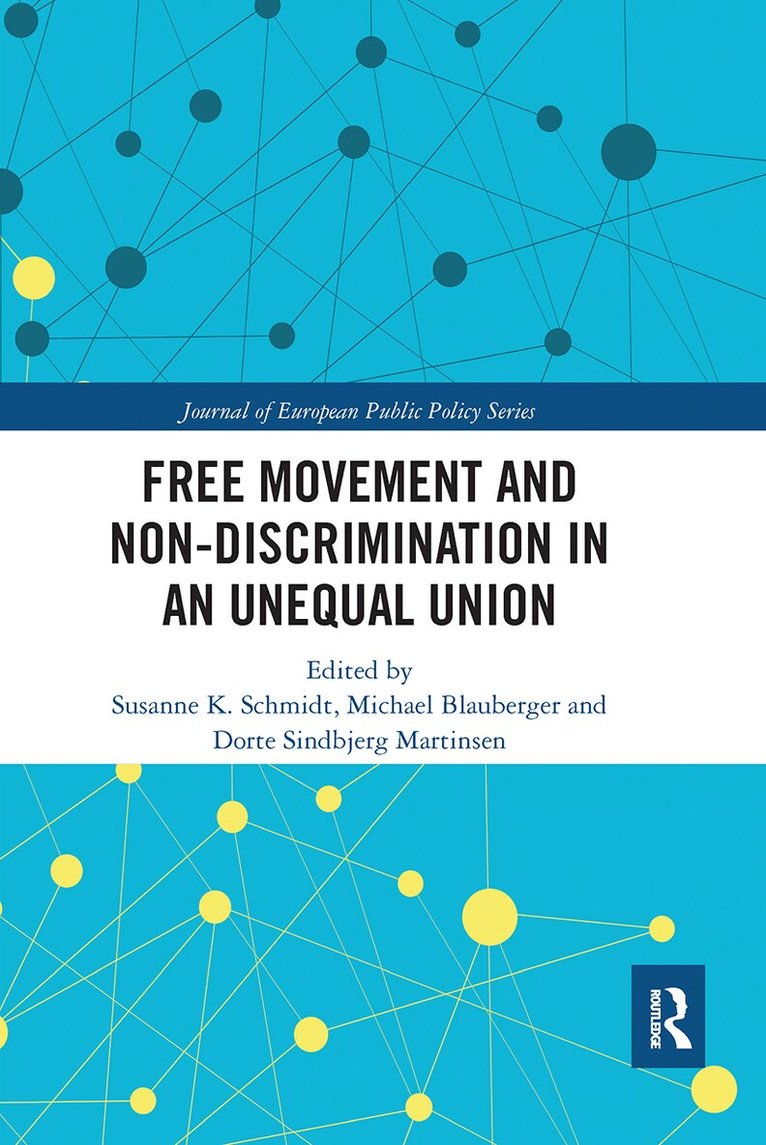
The European Union’s (EU) fundamental principles on free movement of persons and non-discrimination have long challenged the traditional closure of the welfare state. Although EU-wide free movement and national welfare appeared largely unproblematic before Eastern enlargement, the increased differences among EU member states in economic development and welfare provision have resulted in fears about potential welfare migration. Because rights of EU citizens were shaped to an important extent by jurisprudence of the European Court of Justice, these are often not very clearly delineated, and easily politicised.
This comprehensive volume shows the normative limits of a strict non-discriminatory approach to EU citizens’ access to national welfare and analyses how the Court developed its jurisprudence, partly reacting to politicisation. Although, empirically, free movement negatively impacts national welfare only under extreme conditions, it is notable that member states have adjusted their social policies in reaction to EU jurisprudence and migration pressure alike. Their heterogeneous institutions of national welfare, administration and labour markets imply for member states that they face very different opportunities and challenges in view of intra-EU migration.
This book was originally published as a special issue of the Journal of European Public Policy.
775 kr
Läs direkt efter köp
The European Union’s (EU) fundamental principles on free movement of persons and non-discrimination have long challenged the traditional closure of the welfare state. Although EU-wide free movement and national welfare appeared largely unproblematic before Eastern enlargement, the increased differences among EU member states in economic development and welfare provision have resulted in fears about potential welfare migration. Because rights of EU citizens were shaped to an important extent by jurisprudence of the European Court of Justice, these are often not very clearly delineated, and easily politicised.
This comprehensive volume shows the normative limits of a strict non-discriminatory approach to EU citizens’ access to national welfare and analyses how the Court developed its jurisprudence, partly reacting to politicisation. Although, empirically, free movement negatively impacts national welfare only under extreme conditions, it is notable that member states have adjusted their social policies in reaction to EU jurisprudence and migration pressure alike. Their heterogeneous institutions of national welfare, administration and labour markets imply for member states that they face very different opportunities and challenges in view of intra-EU migration.
This book was originally published as a special issue of the Journal of European Public Policy.
2 526 kr
Skickas inom 10-15 vardagar
503 kr
Skickas inom 10-15 vardagar
589 kr
Läs direkt efter köp
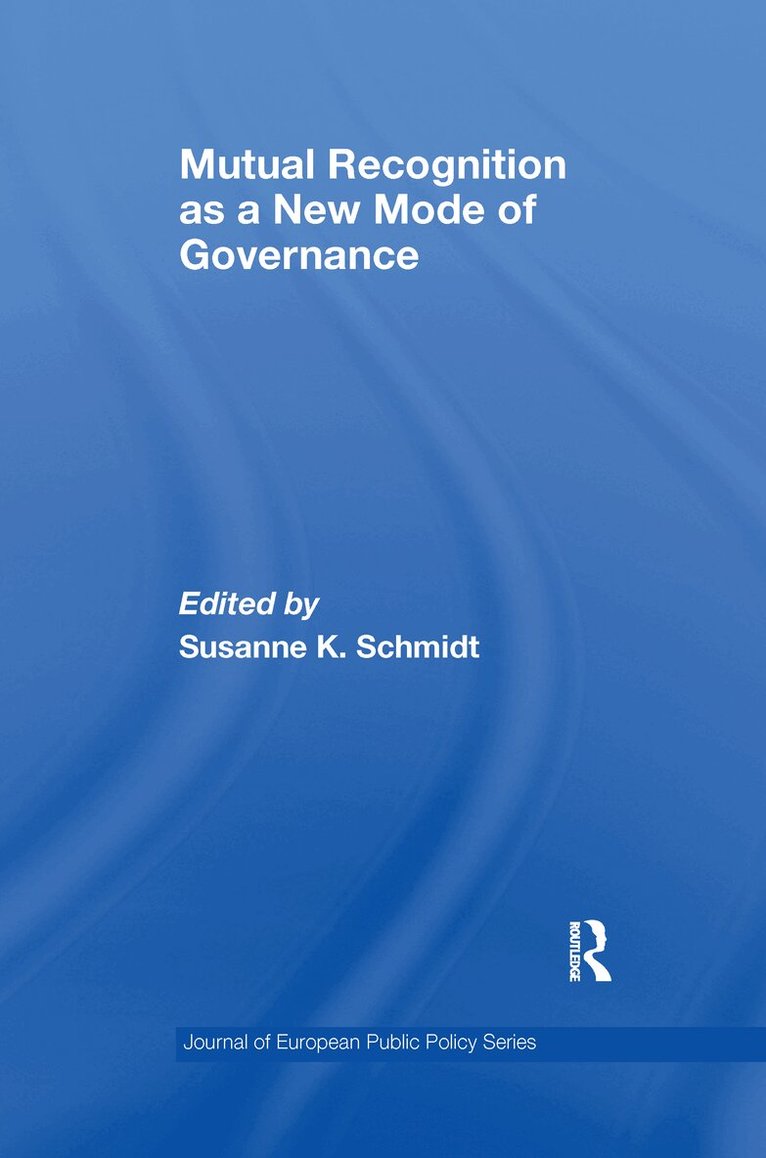
Mutual recognition is generally forgotten in debates about new modes of governance, even though it is a particular powerful example. Its invention was crucial for the completion of the European Union’s single market, and in the late 1990s it was transferred to the field of Justice and Home Affairs. Outside of the EU, mutual recognition is also gaining in importance.
This book discusses mutual recognition in the context of the debate on new modes of governance and analyzes its potential to solve governance problems, focusing on the preconditions it needs for its functioning (e.g. trust of the Member states), the positive implications of achieving coordination through it, as well as its negative side effects (e.g. the danger of a regulatory race to the bottom). Particular focus is on the contentious services directive as a prominent example of using mutual recognition. In addition, contributions look at the application of mutual recognition in the market for goods, in the area of Justice and Home Affairs, in tax policy, and in the World Trade Organization, so that the book achieves a comprehensive assessment of mutual recognition as a new mode of governance.
This book was previously published as special issue of the Journal of European Public Policy.
261 kr
Skickas inom 3-6 vardagar
162 kr
Skickas inom 3-6 vardagar
168 kr
Skickas inom 3-6 vardagar
184 kr
Skickas inom 3-6 vardagar
169 kr
Skickas inom 3-6 vardagar
181 kr
Skickas inom 3-6 vardagar
837 kr
Skickas inom 3-6 vardagar
788 kr
Skickas inom 3-6 vardagar
649 kr
Skickas inom 10-15 vardagar
682 kr
Läs direkt efter köp
162 kr
Läs direkt efter köp
33 kr
Läs direkt efter köp
45 kr
Läs direkt efter köp
45 kr
Läs direkt efter köp
175 kr
Skickas inom 7-10 vardagar
44 kr
Läs direkt efter köp