1 163 kr
Läs direkt efter köp
1 163 kr
Läs direkt efter köp
1 163 kr
Läs direkt efter köp
1 548 kr
Skickas inom 3-6 vardagar
2 324 kr
Skickas inom 10-15 vardagar
7 624 kr
Skickas inom 10-15 vardagar
760 kr
Läs direkt efter köp
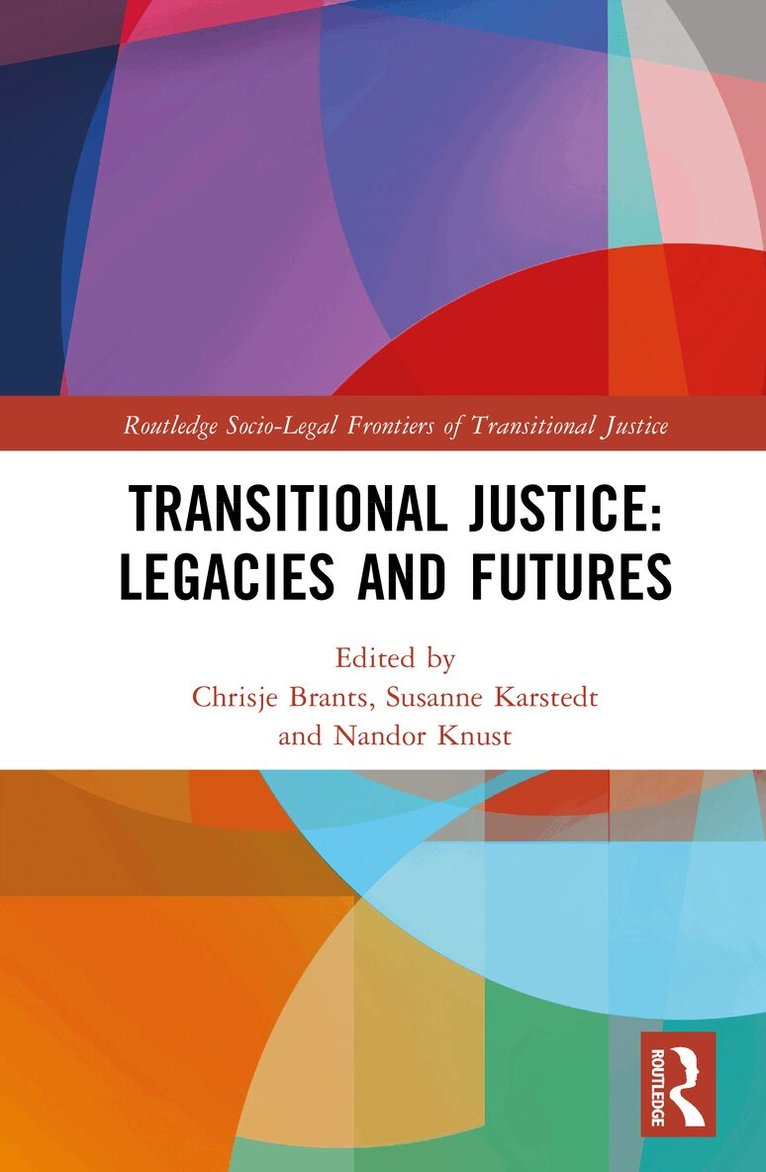
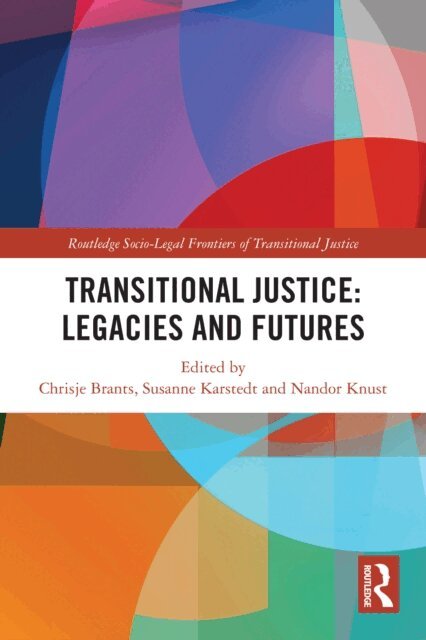
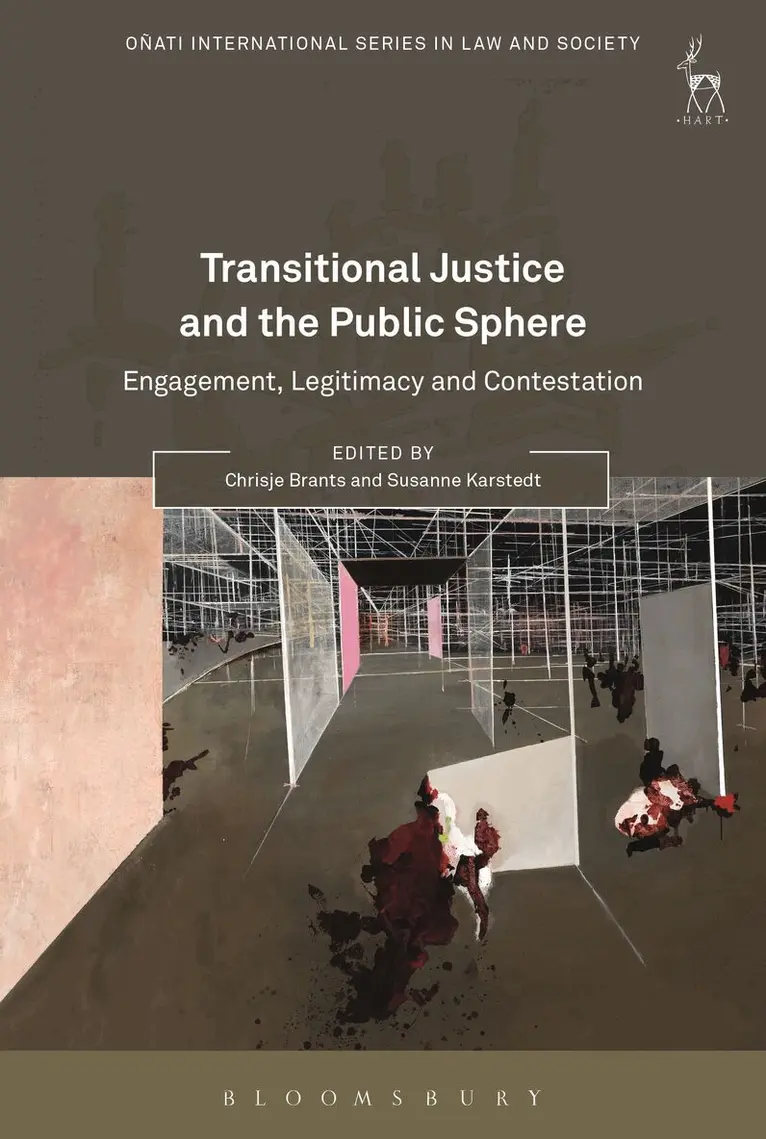
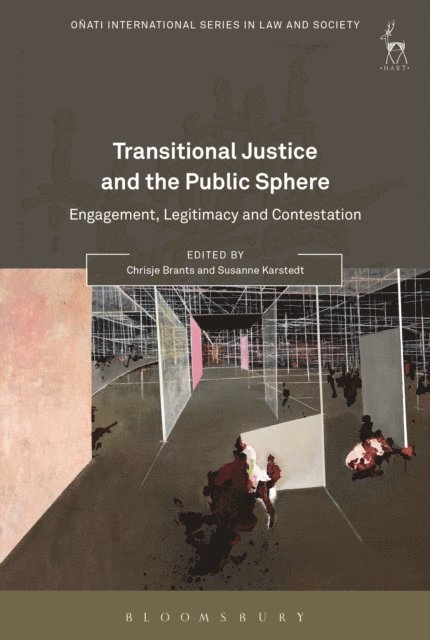
This volume explores the futures of transitional justice by presenting its multiple pasts and presents across nearly half a century. It canvasses the legacies of achievements and failures, of high hopes and expectations, and equally of disappointment and disillusion across a range of institutions, including the International Criminal Court, global regions, and local settings. The authors critically assess a range of different transitional justice mechanisms including prosecutions, reparations, truth-seeking, and institutional reform, as well as individual and public apologies for grave breaches of human rights. Their focus on local conditions foregrounds actors and networks, politics, and the political in transitional justice processes. The book presents evidence, critical facts and analyses through a multidisciplinary lens, featuring criminologists, international criminal law scholars, political scientists, sociologists, social psychologists, and anthropologists. It combines theoretical and empirical contributions to achieve fresh perspectives on transitional justice. The first part interrogates transitional justice''s impact. The second examines how transitional justice mechanisms are embedded within social and political structures. The third explores voice and participation in transitional justice discourses and practices, identifying key lessons for the future. By integrating diverse disciplinary perspectives with both theoretical frameworks and empirical evidence, this comprehensive volume offers valuable insights into how societies address past traumas and (re)gain a future. The book serves as an essential resource for researchers, practitioners, and students seeking to explore innovative research avenues in transitional justice and understand the complex dynamics of post-conflict and post-authoritarian justice processes.
765 kr
Läs direkt efter köp
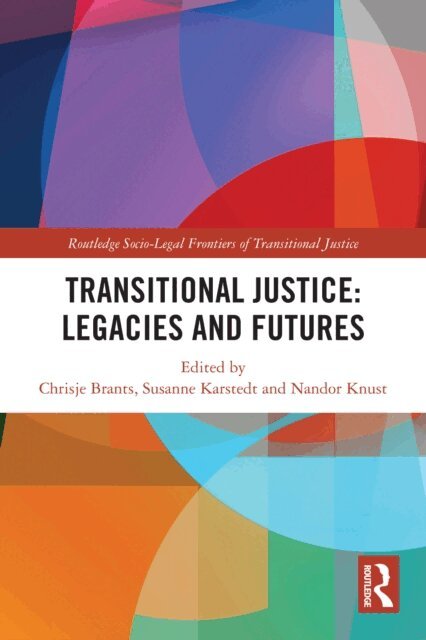
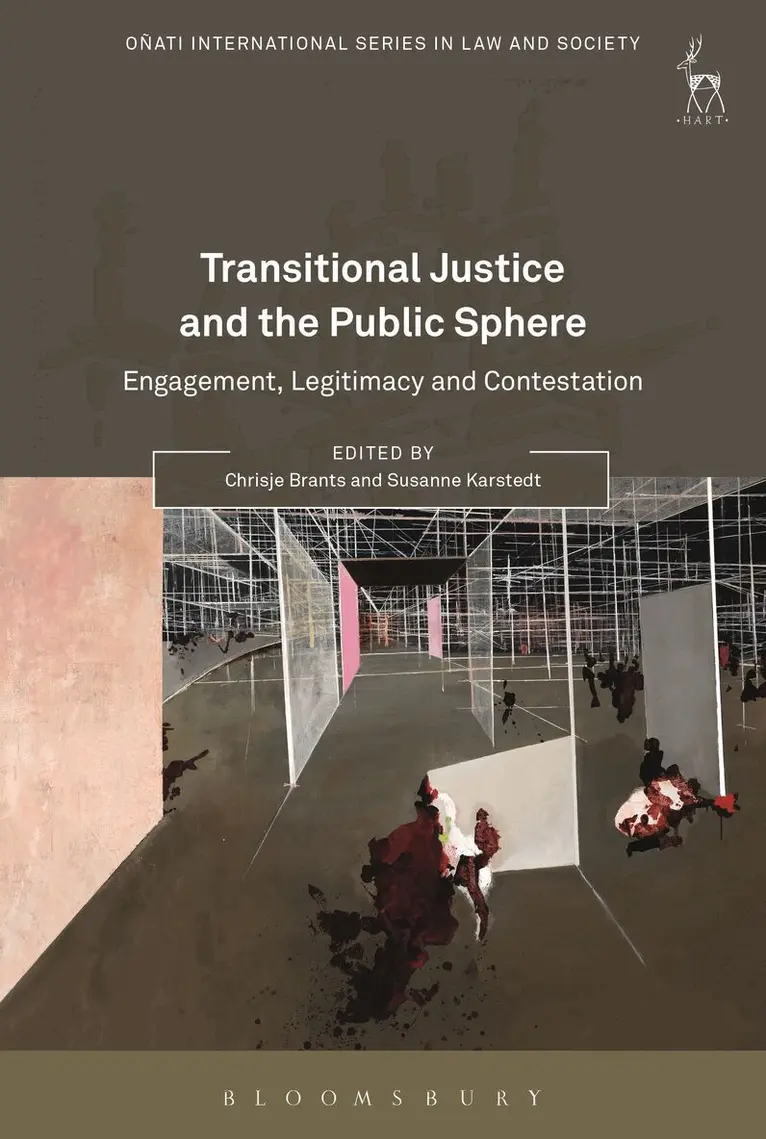
This volume explores the futures of transitional justice by presenting its multiple pasts and presents across nearly half a century. It canvasses the legacies of achievements and failures, of high hopes and expectations, and equally of disappointment and disillusion across a range of institutions, including the International Criminal Court, global regions, and local settings. The authors critically assess a range of different transitional justice mechanisms including prosecutions, reparations, truth-seeking, and institutional reform, as well as individual and public apologies for grave breaches of human rights. Their focus on local conditions foregrounds actors and networks, politics, and the political in transitional justice processes. The book presents evidence, critical facts and analyses through a multidisciplinary lens, featuring criminologists, international criminal law scholars, political scientists, sociologists, social psychologists, and anthropologists. It combines theoretical and empirical contributions to achieve fresh perspectives on transitional justice. The first part interrogates transitional justice''s impact. The second examines how transitional justice mechanisms are embedded within social and political structures. The third explores voice and participation in transitional justice discourses and practices, identifying key lessons for the future. By integrating diverse disciplinary perspectives with both theoretical frameworks and empirical evidence, this comprehensive volume offers valuable insights into how societies address past traumas and (re)gain a future. The book serves as an essential resource for researchers, practitioners, and students seeking to explore innovative research avenues in transitional justice and understand the complex dynamics of post-conflict and post-authoritarian justice processes.
754 kr
Skickas inom 10-15 vardagar
1 074 kr
Skickas inom 3-6 vardagar
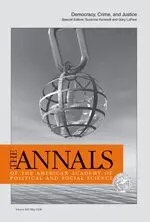
As a growing number of nations embark on a path to democracy, criminologists have become increasingly interested and engaged in the challenges, concerns, and questions connecting democracy with both crime and criminal justice. Rising levels of violence and street crime, white collar crime and corruption both in countries where democracy is securely in place and where it is struggling, have fuelled a deepening skepticism as to the capacity of democracy to deliver on its promise of security and justice for all citizens. What role does crime and criminal justice play in the future of democracy and for democratic political development on a global level?
The editors of this special volume of The Annals realized the importance of collecting research from a broad spectrum of countries and covering a range of problems that affect citizens, politicians, and criminal justice officials. The articles here represent a solid balance between mature democracies like the U.S. and U.K. as well as emerging democracies around the globe – specifically in Latin America, Africa and Eastern Europe. They are based on large and small cross-national samples, regional comparisons, and case studies.
Each contribution addresses a seminal question for the future of democratic political development across the globe. What is the role of criminal justice in the process of building democracy and instilling confidence in its institutions? Is there a role for unions in democratizing police forces? What is the impact of widespread disenfranchisement of felons on democratic citizenship and the life of democratic institutions? Under what circumstances do mature democracies adopt punitive sentencing regimes? Addressing sensitive topics such as relations between police and the Muslim communities of Western Europe in the wake of terrorist attacks, this volume also sheds light on the effects of terrorism on mature democracies under increasing pressure to provide security for their citizens.
By taking a broad vantage point, this collection of research delves into complex topics such as the relationship between the process of democratization and violent crime waves; the impact of rising crime rates on newly established as well as secure democracies; how crime may endanger the transition to democracy; and how existing practices of criminal justice in mature democracies affect their core values and institutions.
The collection of these insightful articles not only begins to fill a gap in criminological research but also addresses issues of critical interest to political scientists as well as other social and behavioral scientists and scholars. Taking a fresh approach to the intersection of crime, criminal justice, and democracy, this volume of The Annals is a must-read for criminologists and political scientists and provides a solid foundation for further interdisciplinary research.
1 099 kr
Skickas inom 3-6 vardagar
As a growing number of nations embark on a path to democracy, criminologists have become increasingly interested and engaged in the challenges, concerns, and questions connecting democracy with both crime and criminal justice. Rising levels of violence and street crime, white collar crime and corruption both in countries where democracy is securely in place and where it is struggling, have fuelled a deepening skepticism as to the capacity of democracy to deliver on its promise of security and justice for all citizens. What role does crime and criminal justice play in the future of democracy and for democratic political development on a global level?
The editors of this special volume of The Annals realized the importance of collecting research from a broad spectrum of countries and covering a range of problems that affect citizens, politicians, and criminal justice officials. The articles here represent a solid balance between mature democracies like the U.S. and U.K. as well as emerging democracies around the globe – specifically in Latin America, Africa and Eastern Europe. They are based on large and small cross-national samples, regional comparisons, and case studies.
Each contribution addresses a seminal question for the future of democratic political development across the globe. What is the role of criminal justice in the process of building democracy and instilling confidence in its institutions? Is there a role for unions in democratizing police forces? What is the impact of widespread disenfranchisement of felons on democratic citizenship and the life of democratic institutions? Under what circumstances do mature democracies adopt punitive sentencing regimes? Addressing sensitive topics such as relations between police and the Muslim communities of Western Europe in the wake of terrorist attacks, this volume also sheds light on the effects of terrorism on mature democracies under increasing pressure to provide security for their citizens.
By taking a broad vantage point, this collection of research delves into complex topics such as the relationship between the process of democratization and violent crime waves; the impact of rising crime rates on newly established as well as secure democracies; how crime may endanger the transition to democracy; and how existing practices of criminal justice in mature democracies affect their core values and institutions.
The collection of these insightful articles not only begins to fill a gap in criminological research but also addresses issues of critical interest to political scientists as well as other social and behavioral scientists and scholars. Taking a fresh approach to the intersection of crime, criminal justice, and democracy, this volume of The Annals is a must-read for criminologists and political scientists and provides a solid foundation for further interdisciplinary research.
1 467 kr
Läs direkt efter köp
Drawing on exemplary studies, chapters in each section illustrate the techniques (qualitative and quantitative) that are commonly applied in empirical studies, as well as the logic of criminological enquiry. Organized into five sections, each prefaced by an editorial introduction, the Handbook covers:
• Crime and Criminals
• Contextualizing Crimes in Space and Time: Networks, Communities and Culture
• Perceptual Dimensions of Crime
• Criminal Justice Systems: Organizations and Institutions
• Preventing Crime and Improving Justice
Edited by leaders in the field of criminological research, and with contributions from internationally renowned experts, The SAGE Handbook of Criminological Research Methods is set to become the definitive resource for postgraduates, researchers and academics in criminology, criminal justice, policing, law, and sociology.
David Gadd is Professor of Criminology at Manchester University School of Law where he is also Director of the Centre for Criminology and Criminal Justice.
Susanne Karstedt has a Chair in Criminology and Criminological Justice at the University of Leeds.
Steven F. Messner is Distinguished Teaching Professor of Sociology, University at Albany, State University of New York.
1 314 kr
Skickas inom 10-15 vardagar
602 kr
Läs direkt efter köp
598 kr
Läs direkt efter köp
555 kr
Skickas inom 10-15 vardagar
791 kr
Skickas inom 10-15 vardagar
1 444 kr
Skickas inom 10-15 vardagar
582 kr
Skickas inom 10-15 vardagar
854 kr
Läs direkt efter köp
627 kr
Läs direkt efter köp
427 kr
Läs direkt efter köp
427 kr
Läs direkt efter köp
2 567 kr
Skickas inom 11-20 vardagar
1 314 kr
Skickas inom 10-15 vardagar
429 kr
Skickas inom 10-15 vardagar
565 kr
Skickas inom 10-15 vardagar