653 kr
Skickas inom 10-15 vardagar
653 kr
Skickas inom 10-15 vardagar
857 kr
Läs direkt efter köp
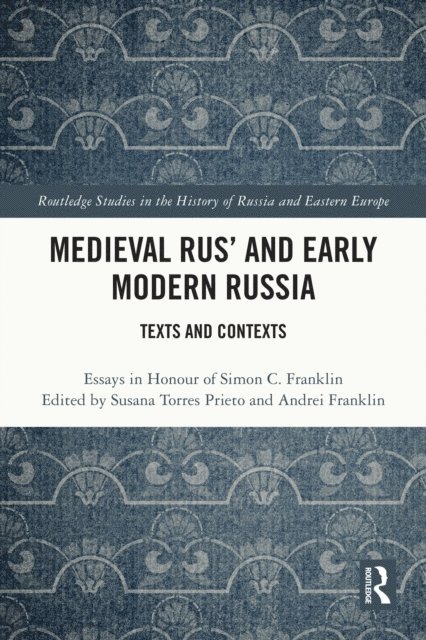
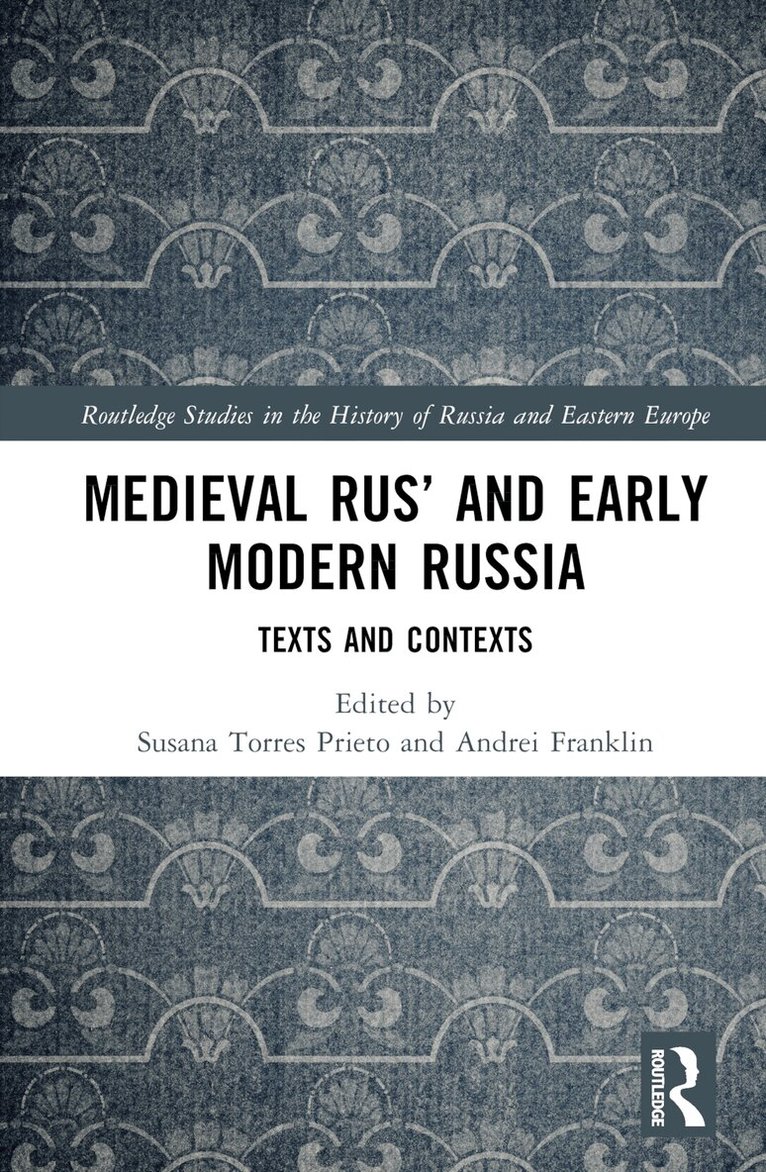
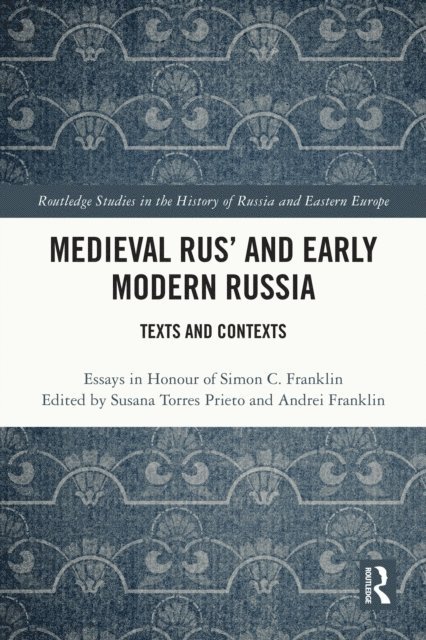
Research on the East Slavs in the medieval period has considerably changed since the collapse of the Soviet Union. The emergence of new states forced a rethinking of many aspects of the history and culture of the early East Slavs as the subject became increasingly disentangled from the umbrella of Byzantine studies and fruitful collaboration was fostered between scholars worldwide. This book, which brings together scholars from Russia, Ukraine, western Europe and North America, of several generations, presents a broad overview of the main results of the last three decades of research and mutual collaboration. This is important work, providing a much-needed counterbalance to studies of western Europe in the period, which has been the main focus of study, with the lands of the East Slavs relatively neglected.
870 kr
Läs direkt efter köp
Research on the East Slavs in the medieval period has considerably changed since the collapse of the Soviet Union. The emergence of new states forced a rethinking of many aspects of the history and culture of the early East Slavs as the subject became increasingly disentangled from the umbrella of Byzantine studies and fruitful collaboration was fostered between scholars worldwide. This book, which brings together scholars from Russia, Ukraine, western Europe and North America, of several generations, presents a broad overview of the main results of the last three decades of research and mutual collaboration. This is important work, providing a much-needed counterbalance to studies of western Europe in the period, which has been the main focus of study, with the lands of the East Slavs relatively neglected.
1 840 kr
Kommande
674 kr
Kommande
2 216 kr
Skickas inom 10-15 vardagar
673 kr
Skickas inom 10-15 vardagar
2 534 kr
Skickas inom 10-15 vardagar
768 kr
Läs direkt efter köp
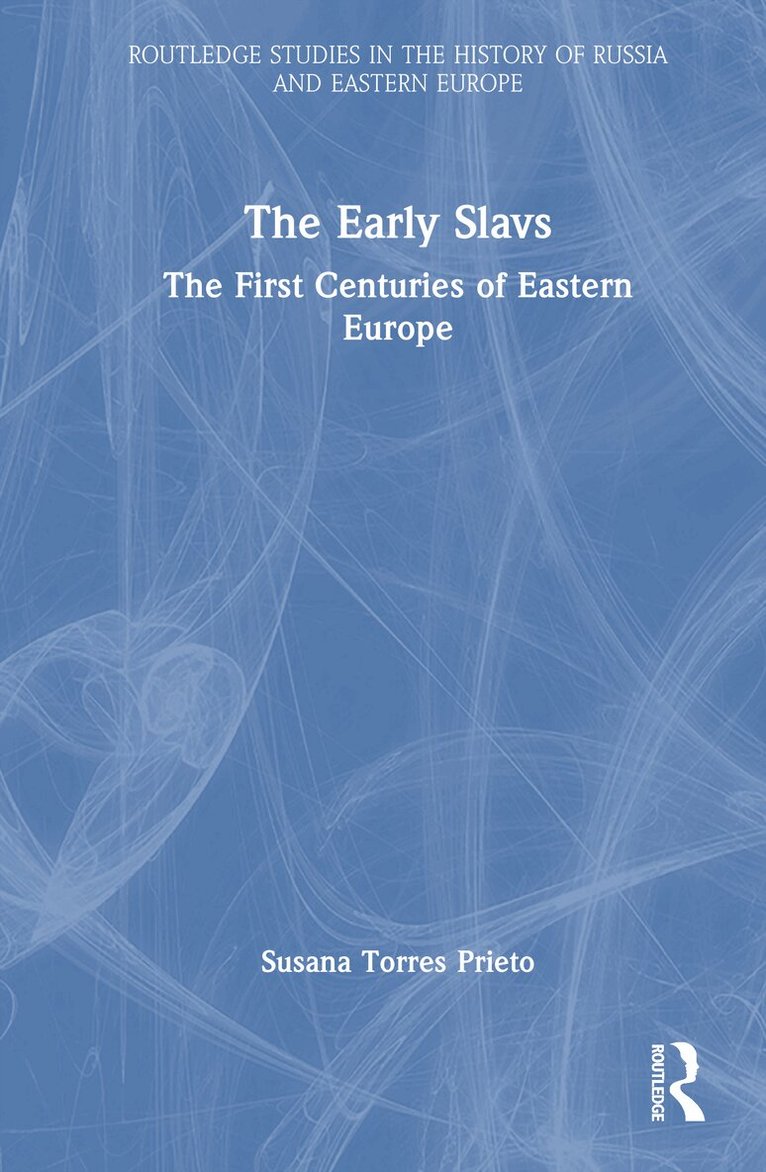
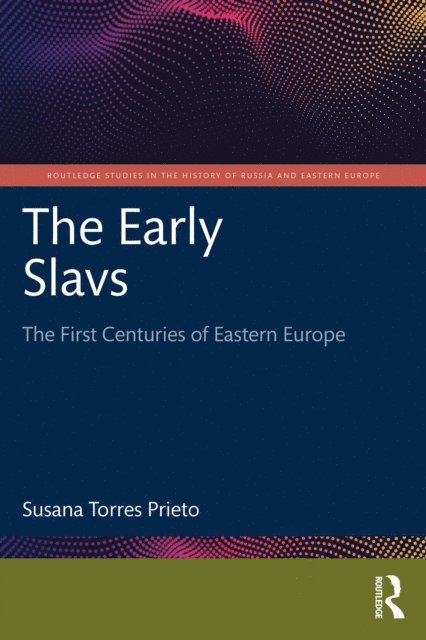
This book presents an introductory and comprehensive history of the Slavic-speaking peoples who inhabited Eastern and Southern Europe during the 700-year period stretching from the first archaeological and historical records to the establishment of their first organised polities.
The book is organised thematically (social organisation, politics and government, economy, religion, culture) in order to present some of the most recent scholarly advances in a range of fields, showing new light in some historical scholarly polemics. It is a political and cultural history that incorporates recent findings in areas previously overlooked in scholarly literature, such as slavery, the role of women, the importance of Jewish communities, and the problematic relations of all these emerging polities with neighbouring empires. Instead of focusing exclusively on any specific geographic area, or dealing mainly with linguistic and cultural aspects, the book provides a much-needed overview of the origins of many modern nations in Eastern and Southern Europe.
Written in an accessible style and complete with a comparative chronology, this is a comprehensive introduction to students and researchers in the fields of history, philology, and Slavic and East European Studies.
779 kr
Läs direkt efter köp
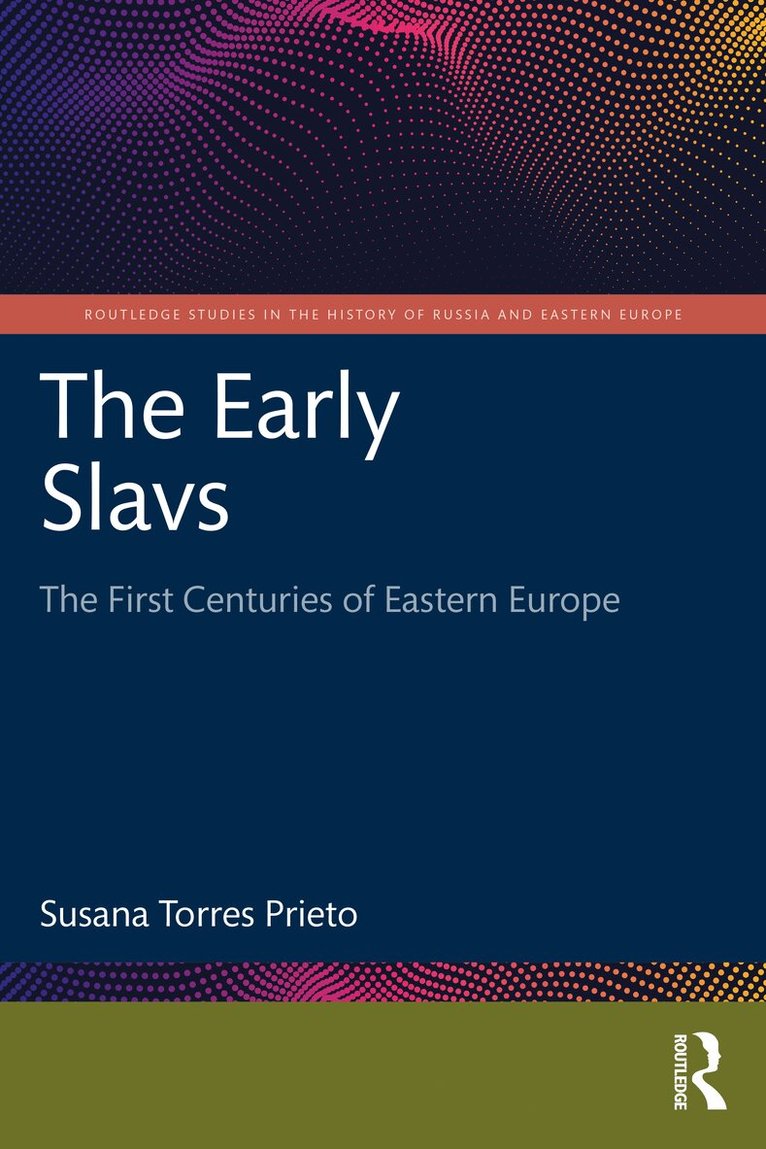
This book presents an introductory and comprehensive history of the Slavic-speaking peoples who inhabited Eastern and Southern Europe during the 700-year period stretching from the first archaeological and historical records to the establishment of their first organised polities.
The book is organised thematically (social organisation, politics and government, economy, religion, culture) in order to present some of the most recent scholarly advances in a range of fields, showing new light in some historical scholarly polemics. It is a political and cultural history that incorporates recent findings in areas previously overlooked in scholarly literature, such as slavery, the role of women, the importance of Jewish communities, and the problematic relations of all these emerging polities with neighbouring empires. Instead of focusing exclusively on any specific geographic area, or dealing mainly with linguistic and cultural aspects, the book provides a much-needed overview of the origins of many modern nations in Eastern and Southern Europe.
Written in an accessible style and complete with a comparative chronology, this is a comprehensive introduction to students and researchers in the fields of history, philology, and Slavic and East European Studies.