689 kr
Skickas inom 10-15 vardagar
689 kr
Skickas inom 10-15 vardagar
989 kr
Skickas inom 10-15 vardagar
3 363 kr
Skickas inom 7-10 vardagar
572 kr
Läs direkt efter köp
The aging population of the United States has significant implications for the workforce - challenging what it means to work and to retire in the U.S. In fact, by 2030, one-fifth of the population will be over age 65. This shift has significant repercussions for the economy and key social programs. Due to medical advancements and public health improvements, recent cohorts of older adults have experienced better health and increasing longevity compared to earlier cohorts. These improvements in health enable many older adults to extend their working lives. While higher labor market participation from this older workforce could soften the potential negative impacts of the aging population over the long term on economic growth and the funding of Social Security and other social programs, these trends have also occurred amidst a complicating backdrop of widening economic and social inequality that has meant that the gains in health, improvements in mortality, and access to later-life employment have been distributed unequally.
Understanding the Aging Workforce: Defining a Research Agenda offers a multidisciplinary framework for conceptualizing pathways between work and nonwork at older ages. This report outlines a research agenda that highlights the need for a better understanding of the relationship between employers and older employees; how work and resource inequalities in later adulthood shape opportunities in later life; and the interface between work, health, and caregiving. The research agenda also identifies the need for research that addresses the role of workplaces in shaping work at older ages, including the role of workplace policies and practices and age discrimination in enabling or discouraging older workers to continue working or retire.
559 kr
Läs direkt efter köp
Individuals from minoritized racial and ethnic groups continue to face systemic barriers that impede their ability to access, persist, and thrive in science, technology, engineering, mathematics, and medicine (STEMM) higher education and workforce. Without actively dismantling policies and practices that disadvantage people from minoritized groups, STEMM organizations stand to lose much needed talent and innovation as well as the ideas that come from having a diverse workforce.
A new report from the Board on Behavioral, Cognitive, and Sensory Sciences examines the backdrop of systemic racism in the United States that has harmed and continues to harm people from minoritized groups, which is critical for understanding the unequal representation in STEMM. The report outlines actions that top leaders and gatekeepers in STEMM organizations, such as presidents and chief executive officers, can take to foster a culture and climate of antiracism, diversity, equity, and inclusion that is genuinely accessible and supportive to all.
2 443 kr
Skickas inom 7-10 vardagar
1 355 kr
Skickas inom 7-10 vardagar
1 355 kr
Skickas inom 7-10 vardagar
1 679 kr
Läs direkt efter köp
3 341 kr
Skickas inom 3-6 vardagar
2 336 kr
Skickas inom 3-6 vardagar
1 087 kr
Skickas inom 10-15 vardagar
3 225 kr
Skickas inom 3-6 vardagar
2 463 kr
Skickas inom 10-15 vardagar
713 kr
Läs direkt efter köp
1 130 kr
Skickas inom 7-10 vardagar
1 445 kr
Skickas inom 7-10 vardagar
648 kr
Skickas inom 7-10 vardagar
448 kr
Skickas inom 7-10 vardagar
229 kr
Skickas inom 7-10 vardagar
277 kr
Läs direkt efter köp
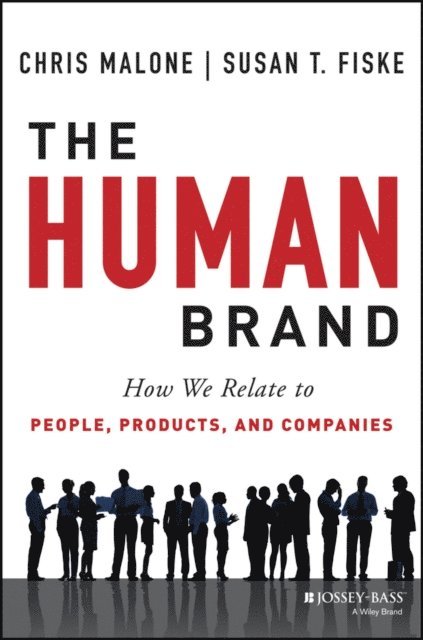
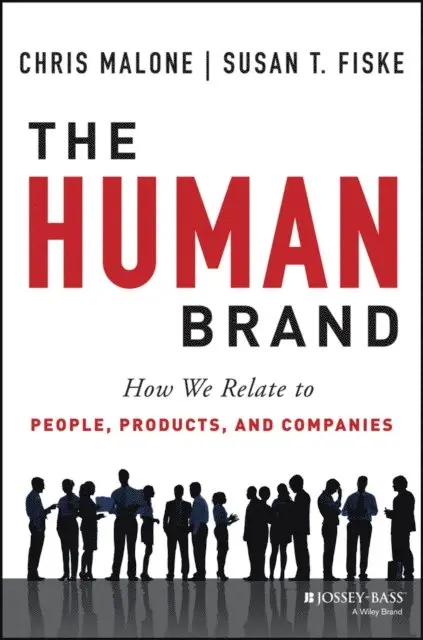
People everywhere describe their relationships with brands in a deeply personal way—we hate our banks, love our smartphones, and think the cable company is out to get us. What''s actually going on in our brains when we make these judgments? Through original research, customer loyalty expert Chris Malone and top social psychologist Susan Fiske discovered that our perceptions arise from spontaneous judgments on warmth and competence, the same two factors that also determine our impressions of people. We see companies and brands the same way we automatically perceive, judge, and behave toward one another. As a result, to achieve sustained success, companies must forge genuine relationships with customers. And as customers, we have a right to expect relational accountability from the companies and brands we support.
Applies the social psychology concepts of "warmth" (what intentions others have toward us) and "competence" (how capable they are of carrying out those intentions) to the way we perceive and relate to companies and brands Features in-depth analyses of companies such as Hershey''s, Domino''s, Lululemon, Zappos, Amazon, Chobani, Sprint, and more Draws from original research, evaluating over 45 companies over the course of 10 separate studiesThe Human Brand is essential reading for understanding how and why we make the choices we do, as well as what it takes for companies and brands to earn and keep our loyalty in the digital age.
586 kr
Läs direkt efter köp
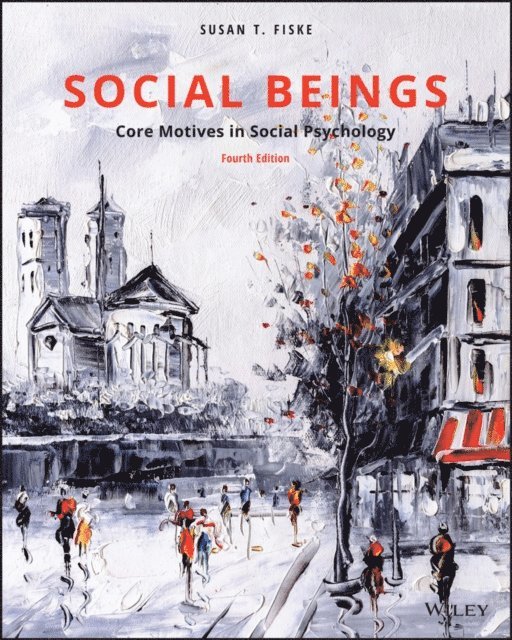
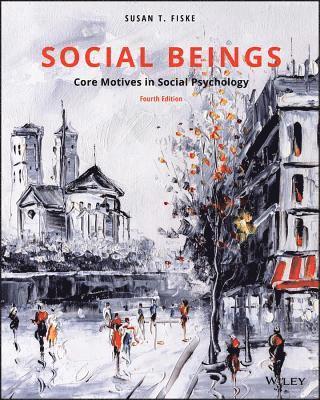
It is a nearly universal truth that people need people; humans have adapted to life with other humans, and the interactions and relationships that result are the most relevant adaptation environment. This book explores the core motives and goals that shape these interactions with others, with the self, and collectively as a group; in other words, “Why do people do what they do?” A brief overview of the field’s unifying themes—belonging, understanding, controlling, enhancing self, and trusting—gives way to a detailed exploration of the human condition as well as the techniques used to study and understand it.
By delving into the motivations behind attraction, helping, bias, persuasion, aggression, and more, this book helps students grasp the complex interplay of internal and external cues and influences that inform every interaction. An emphasis on real-world applications relates social psychology principles to everyday life, and this latest revision has been updated with the most recent research and trends to provide an accurate picture of the state of the field. Blending traditional topics with new developments in an informal, readable style makes this the ideal text to ignite students’ deeper interest and full engagement with social psychology concepts.
1 084 kr
Skickas inom 7-10 vardagar
460 kr
Läs direkt efter köp
460 kr
Läs direkt efter köp
630 kr
Läs direkt efter köp
634 kr
Läs direkt efter köp
993 kr
Läs direkt efter köp
993 kr
Läs direkt efter köp