At a time when questions of accountability and performance in the NGO sector are both more urgent and more unsettled than ever before, this Research Handbook creates a necessary space for reflection and dialogue. It provides diverse perspectives and practical reflections on the topic, aimed at capturing the changing pace, vulnerability and adaptive capacities of contemporary NGOs.Expert scholars explore how established models of performance assessment must adapt to remain meaningful in an era defined by volatility and uncertainty. They examine the parallel developments of increased innovative theoretical approaches in academic research and the disruption to relative socio-political stability. The chapters also focus on performance and accountability as practice rather than a normative model. The Research Handbook reveals that accountability today cannot be understood as a stable system to be designed and implemented, but rather something far more precarious; a practice that is continually made and remade in conditions of uncertainty and instability.The Research Handbook on NGO Performance and Accountability is an essential resource for scholars and students of business and management, particularly those focusing on NGOs, seeking a better understanding of the central cross-cutting themes. Public administrators, governance researchers and policy makers will also benefit from the conceptual and empirical insights.
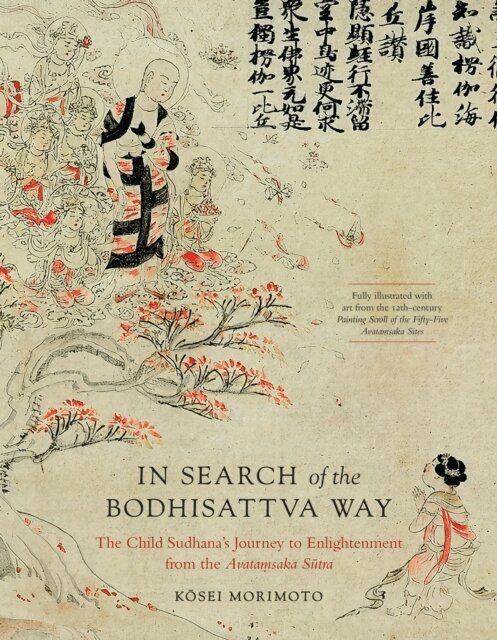
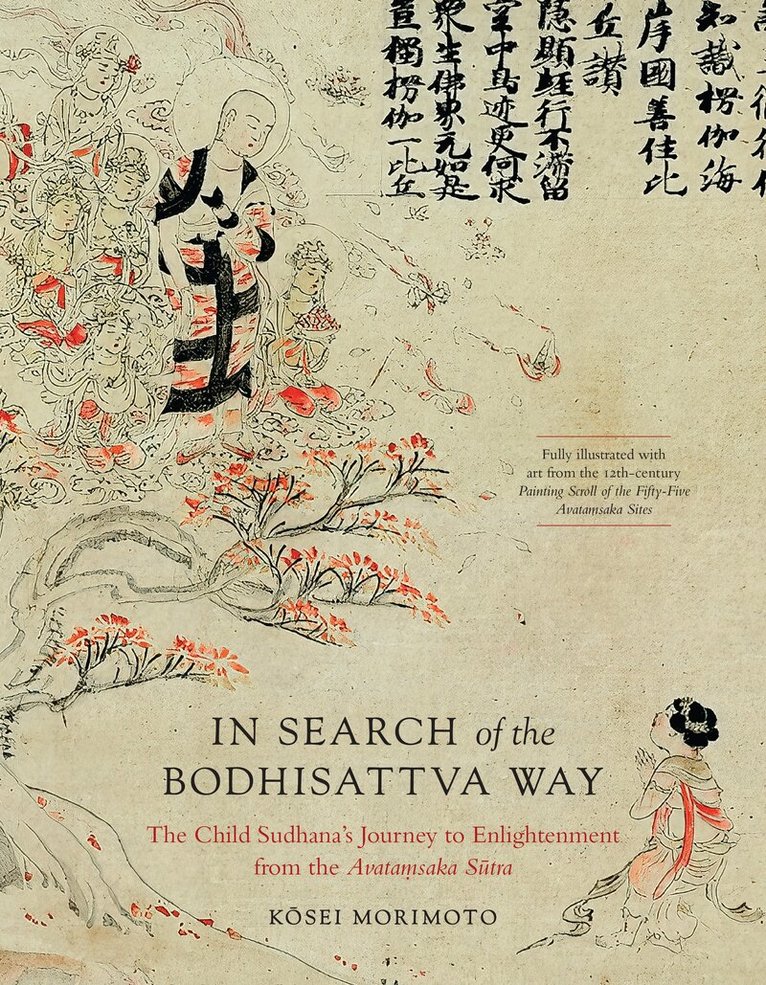
A retelling of Sudhana’s story from the Avataṃsaka Sūtra, this book chronicles a child’s quest to seek spiritual wisdom from fifty-five bodhisattvas. Each chapter focuses on a different bodhisattva, with accompanying images from a 12th-century Japanese painted scroll.What does it mean to dedicate yourself to the spiritual path with the innocence of a child? The answers to that are revealed in the story of a little boy named Sudhana, protagonist of the longest chapter in one of the oldest and most prominent Mahāyāna Buddhist sūtras. In Search of the Bodhisattva Way is Kōsei Morimoto’s summary of “Entering the Dharma Realm” (Gandavyūha), the final chapter of the Avataṃsaka Sūtra, which had a lasting influence on painting and sculpture across Asia. This full-color book contains images from The Painting Scroll of the Fifty-Five Avataṃsaka Sites, created by an unknown artist dated to the end of the 12th century and designated a National Treasure of Japan. The core of the book consists of fifty-five short chapters, each of which centers around a different bodhisattva. The early Indian Mahāyāna cosmology and doctrine represented in these narratives are grounded in the idea of emptiness but also an expansive, infinite notion of enlightened mind illuminating everywhere. For example, the bodhisattva Megasrī, the first master Sudhana visits, shows with his supernatural power that there are countless enlightened beings in an infinite number of worlds. Sāgaramegha, the second master, shows how to separate one’s consciousness or soul from the physical body, thereby being able to fly in the air or appear in multiple locations. It is only at the end of his journey that Sudhana is shown the direct path to enlightenment.This work is spiritual, artistic, and accessible, while maintaining academic rigor. It includes an introduction detailing the sūtra’s long reception history by the author, Dr. Morimoto, the former head of the Japanese Avataṃsaka (Kegon) school and abbot of Tōdai monastery.