660 kr
Skickas inom 10-15 vardagar
660 kr
Skickas inom 10-15 vardagar
157 kr
Skickas inom 3-6 vardagar
274 kr
Skickas inom 3-6 vardagar
1 033 kr
Skickas inom 10-15 vardagar
3 815 kr
Skickas inom 10-15 vardagar
2 526 kr
Skickas inom 10-15 vardagar
2 682 kr
Skickas inom 10-15 vardagar
2 650 kr
Skickas inom 10-15 vardagar
637 kr
Skickas inom 10-15 vardagar
2 490 kr
Skickas inom 10-15 vardagar
613 kr
Skickas inom 10-15 vardagar
392 kr
Skickas inom 7-10 vardagar
1 261 kr
Skickas inom 7-10 vardagar
359 kr
Skickas inom 7-10 vardagar
983 kr
Skickas inom 10-15 vardagar
397 kr
Läs direkt efter köp
361 kr
Läs direkt efter köp
433 kr
Läs direkt efter köp
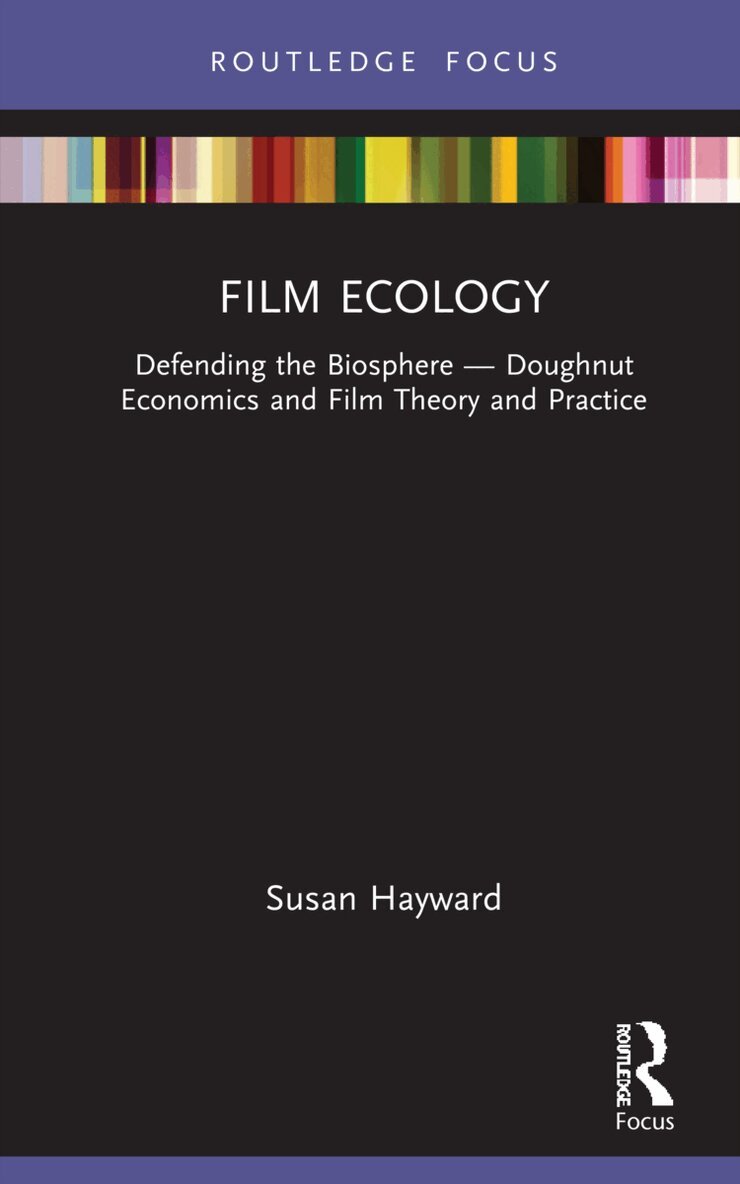
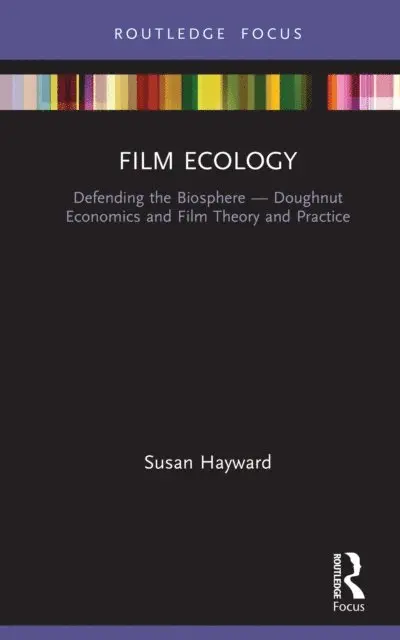
Using the Regenerative economic model – also known as Doughnut Economics – Susan Hayward offers a thought-provoking sketch for a renewed, tentatively revolutionary approach to both film theory and film practice.
This book attempts to answer the questions posed by T.J. Demos (in Against the Anthropocene, 2017): how do we find a way to address planetary harm and the issues it raises within the field of Film Studies? How do we construct a theoretical model that allows us to visualize the ecological transgressions brought about by the growth-model of capitalism which is heavily endorsed by mainstream narrative cinema? By turning to the model set out in Kate Raworth’s book Doughnut Economics (2017) and adapting its fundamental principles to a study of narrative cinema, Film Ecology proposes to show how, by using this model, we can usefully plot and investigate films according to criteria that are not genre/star/auteur-led, nor indeed embedded in anthropocentric theoretical models, but principles which are ecologically based. These arguments are brought to life with examples from mainstream narrative films such as The Giant (1956), Mildred Pierce (1945), Erin Brockovich (2000), Wall Street (1987), Hotel Rwanda (2004), and Missing Figures (2016).
This approach will inspire film practitioners, film theorists, critics and analysts, film students and film lovers alike to consider how they might integrate this Doughnut model into their thinking or work as part of their process.
430 kr
Läs direkt efter köp
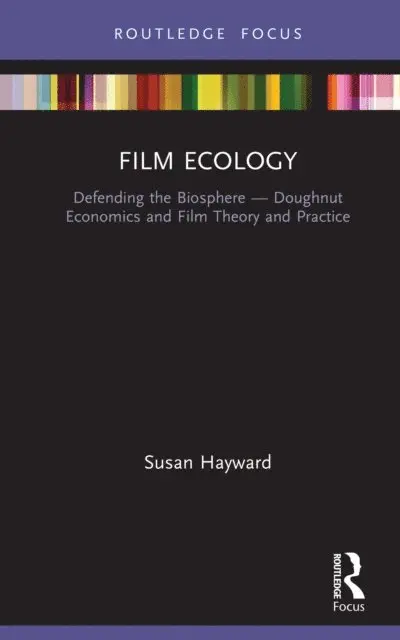
Using the Regenerative economic model – also known as Doughnut Economics – Susan Hayward offers a thought-provoking sketch for a renewed, tentatively revolutionary approach to both film theory and film practice.
This book attempts to answer the questions posed by T.J. Demos (in Against the Anthropocene, 2017): how do we find a way to address planetary harm and the issues it raises within the field of Film Studies? How do we construct a theoretical model that allows us to visualize the ecological transgressions brought about by the growth-model of capitalism which is heavily endorsed by mainstream narrative cinema? By turning to the model set out in Kate Raworth’s book Doughnut Economics (2017) and adapting its fundamental principles to a study of narrative cinema, Film Ecology proposes to show how, by using this model, we can usefully plot and investigate films according to criteria that are not genre/star/auteur-led, nor indeed embedded in anthropocentric theoretical models, but principles which are ecologically based. These arguments are brought to life with examples from mainstream narrative films such as The Giant (1956), Mildred Pierce (1945), Erin Brockovich (2000), Wall Street (1987), Hotel Rwanda (2004), and Missing Figures (2016).
This approach will inspire film practitioners, film theorists, critics and analysts, film students and film lovers alike to consider how they might integrate this Doughnut model into their thinking or work as part of their process.
722 kr
Läs direkt efter köp
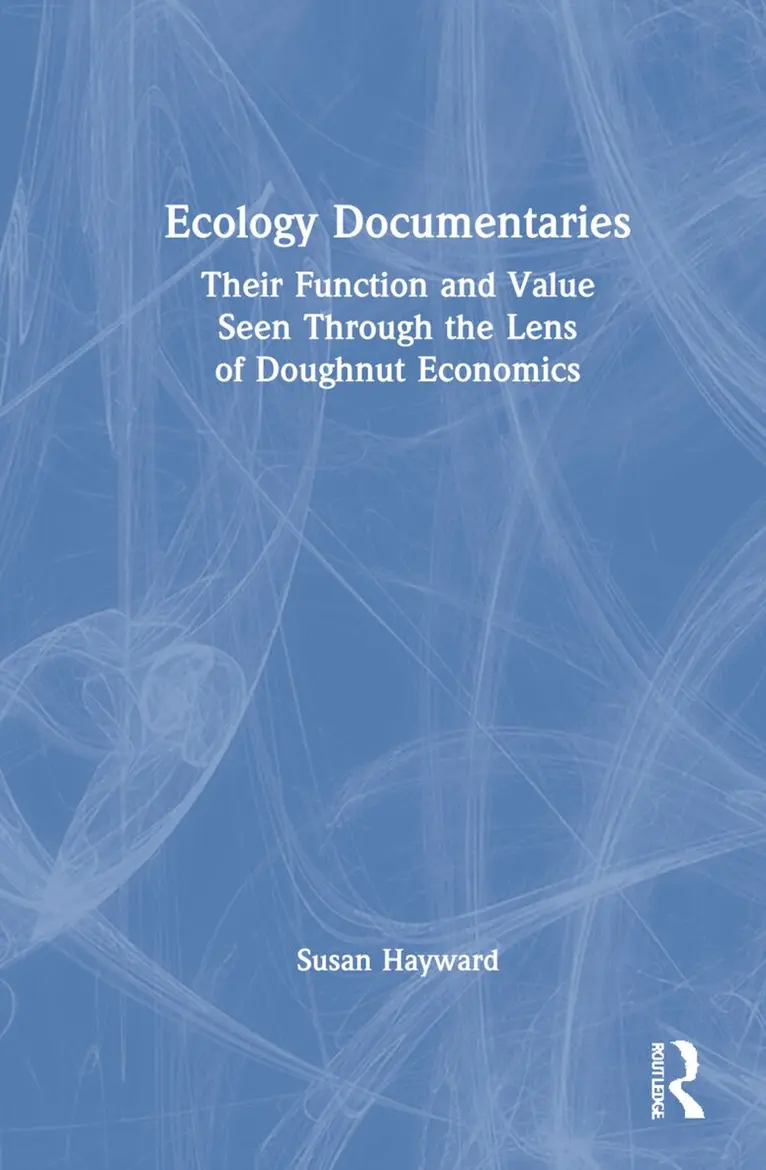
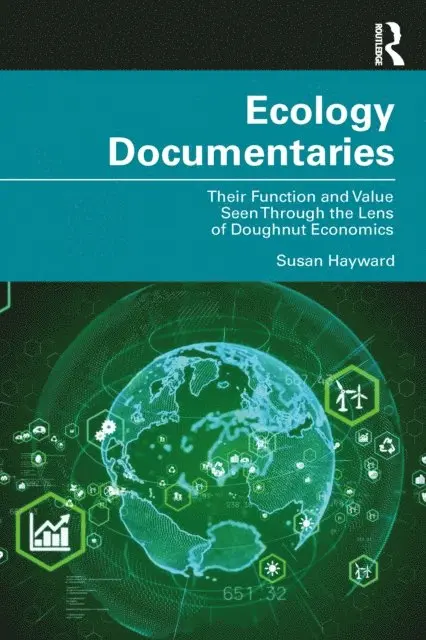
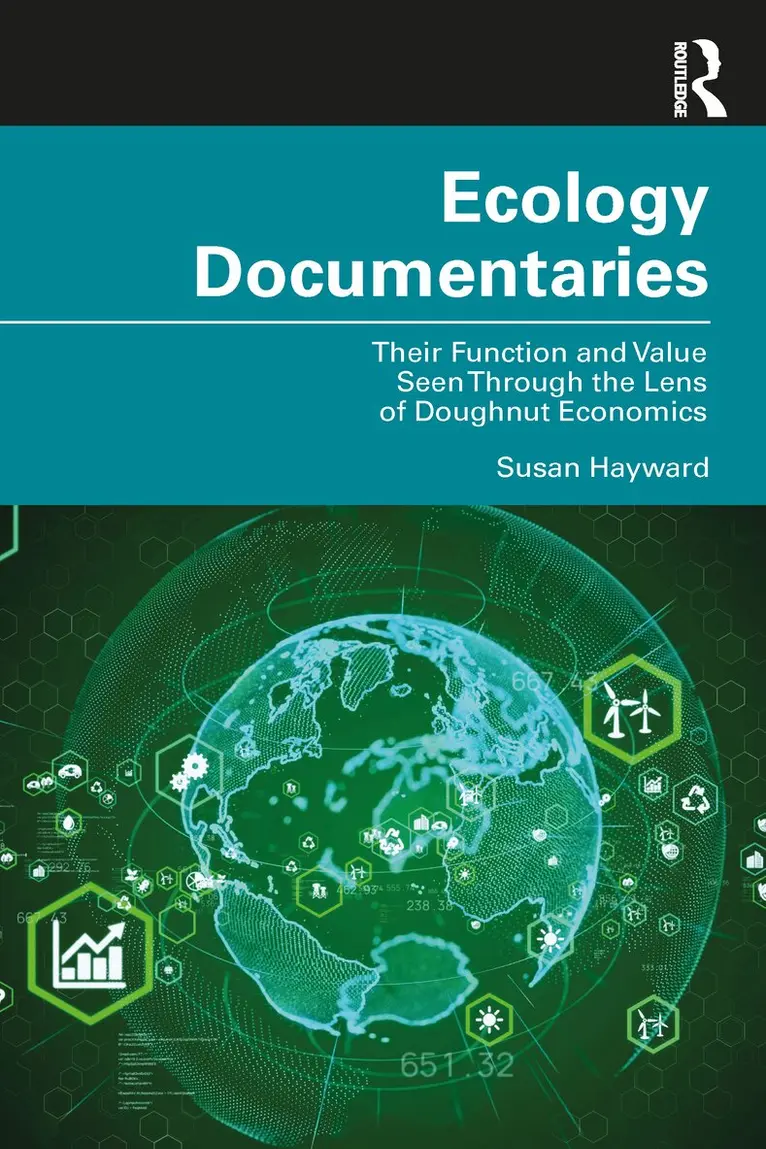
This companion piece to Susan Hayward’s Film Ecology focuses on ecology documentaries produced in the first 20 years of the new millennium (2000–19).
Using Kate Raworth’s regenerative economic theoretical model as set out in Doughnut Economics, this book examines 57 films emanating from Europe and the 4 areas of concern they raise about energy production, pollution and waste
management, agribusiness, disrupted ecosystems and the migratory f low. These ecology documentaries make explicit the damage done to our planet thanks to growth capitalism and neoliberal globalisation. But they also provide the evidence that solutions to this planetary abuse exist. The book demonstrates how these documentaries reveal the process of humankind’s planetary plundering and explores the structuring of the eco-doc as a new generic type in the domain of documentary practice. Using Raworth’s model allows us to measure the tentacular extent of the planetary harm growth economics induces and, too, by way of contrast, perceive how regenerative economics can work to redress this harm, heal the Earth and make it a safe place for humanity.
This book is ideal for film studies scholars and students, including those teaching or studying film practice, documentary film, European cinema and environmental studies, as well as economists interested in regenerative economic models. It also has general appeal to all who are concerned about some of the major causes of planetary degradation and its impact on humanity and Earth.
712 kr
Läs direkt efter köp
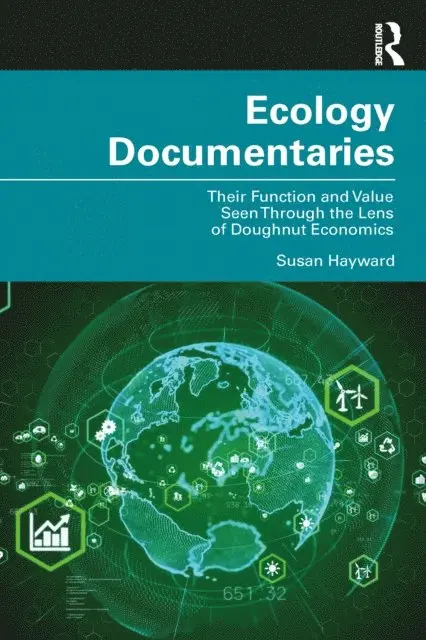
This companion piece to Susan Hayward’s Film Ecology focuses on ecology documentaries produced in the first 20 years of the new millennium (2000–19).
Using Kate Raworth’s regenerative economic theoretical model as set out in Doughnut Economics, this book examines 57 films emanating from Europe and the 4 areas of concern they raise about energy production, pollution and waste
management, agribusiness, disrupted ecosystems and the migratory f low. These ecology documentaries make explicit the damage done to our planet thanks to growth capitalism and neoliberal globalisation. But they also provide the evidence that solutions to this planetary abuse exist. The book demonstrates how these documentaries reveal the process of humankind’s planetary plundering and explores the structuring of the eco-doc as a new generic type in the domain of documentary practice. Using Raworth’s model allows us to measure the tentacular extent of the planetary harm growth economics induces and, too, by way of contrast, perceive how regenerative economics can work to redress this harm, heal the Earth and make it a safe place for humanity.
This book is ideal for film studies scholars and students, including those teaching or studying film practice, documentary film, European cinema and environmental studies, as well as economists interested in regenerative economic models. It also has general appeal to all who are concerned about some of the major causes of planetary degradation and its impact on humanity and Earth.
953 kr
Läs direkt efter köp
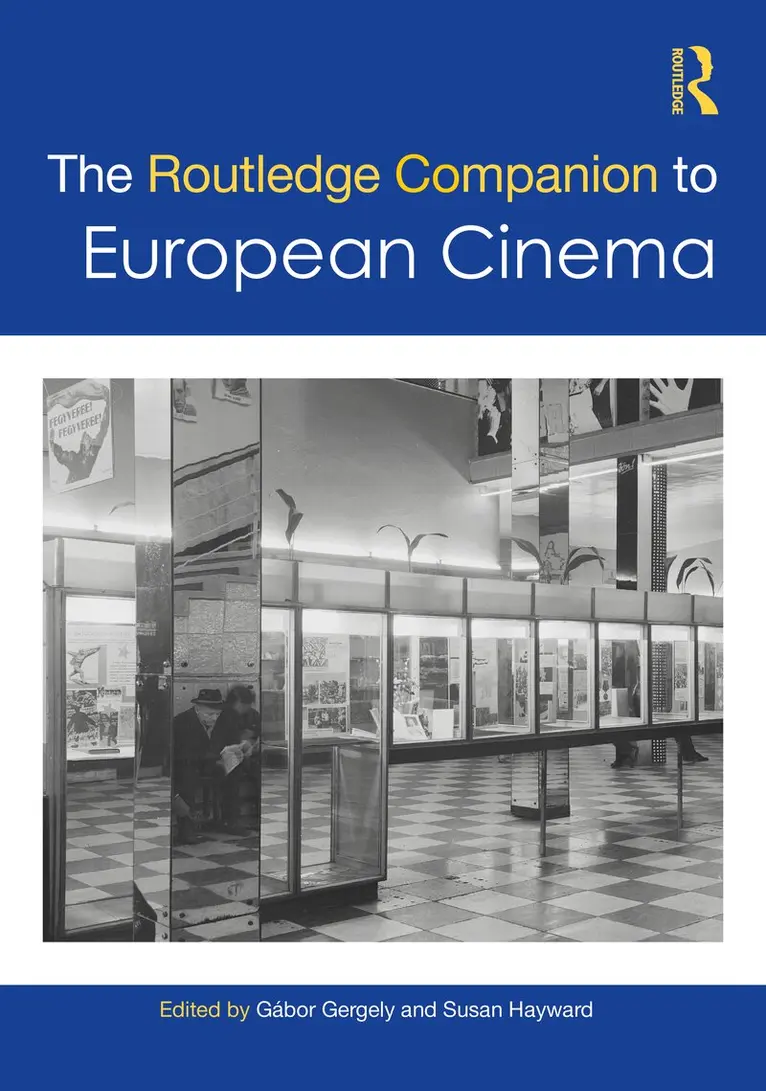
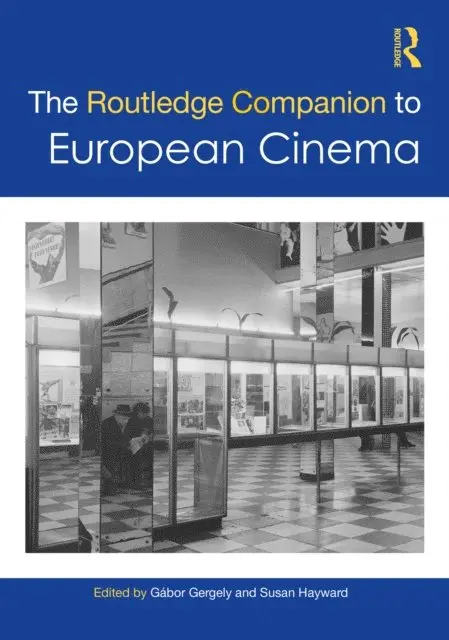
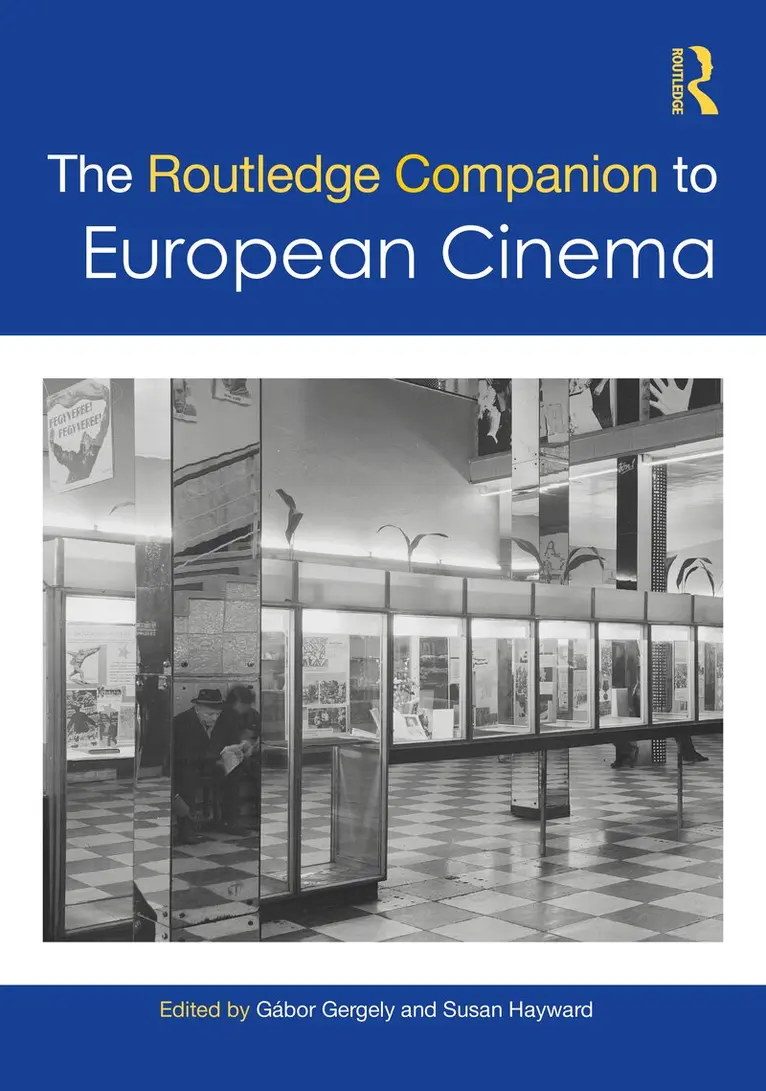
Presenting new and diverse scholarship, this wide-ranging collection of 43 original chapters asks what European cinema tells us about Europe.
The book engages with European cinema that attends to questions of European colonial, racialized and gendered power; seeks to decentre Europe itself (not merely its putative centres); and interrogate Europe’s various conceptualizations from a variety of viewpoints. It explores the broad, complex and heterogeneous community/ies produced in and by European films, taking in Kurdish, Hollywood and Singapore cinema as comfortably as the cinema of Poland, Spanish colonial films or the European gangster genre. Chapters cover numerous topics, including individual films, film movements, filmmakers, stars, scholarship, representations and identities, audiences, production practices, genres and more, all analysed in their context(s) so as to construct an image of Europe as it emerges from Europe’s film corpus.
The Companion opens the study of European cinema to a broad readership and is ideal for students and scholars in film, European studies, queer studies and cultural studies, as well as historians with an interest in audio-visual culture, nationalism and transnationalism, and those working in language-based area studies.
932 kr
Läs direkt efter köp
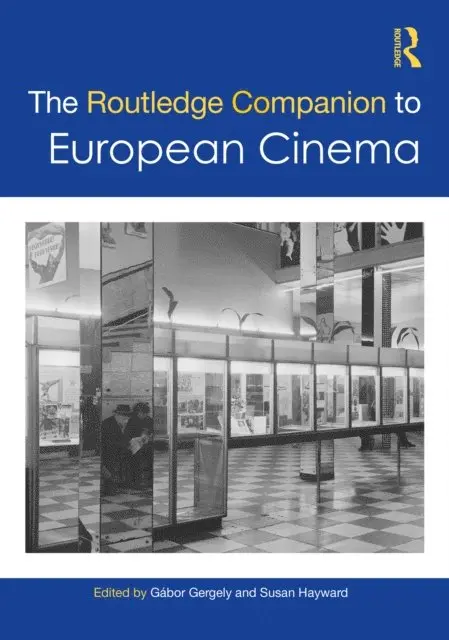
Presenting new and diverse scholarship, this wide-ranging collection of 43 original chapters asks what European cinema tells us about Europe.
The book engages with European cinema that attends to questions of European colonial, racialized and gendered power; seeks to decentre Europe itself (not merely its putative centres); and interrogate Europe’s various conceptualizations from a variety of viewpoints. It explores the broad, complex and heterogeneous community/ies produced in and by European films, taking in Kurdish, Hollywood and Singapore cinema as comfortably as the cinema of Poland, Spanish colonial films or the European gangster genre. Chapters cover numerous topics, including individual films, film movements, filmmakers, stars, scholarship, representations and identities, audiences, production practices, genres and more, all analysed in their context(s) so as to construct an image of Europe as it emerges from Europe’s film corpus.
The Companion opens the study of European cinema to a broad readership and is ideal for students and scholars in film, European studies, queer studies and cultural studies, as well as historians with an interest in audio-visual culture, nationalism and transnationalism, and those working in language-based area studies.
772 kr
Läs direkt efter köp
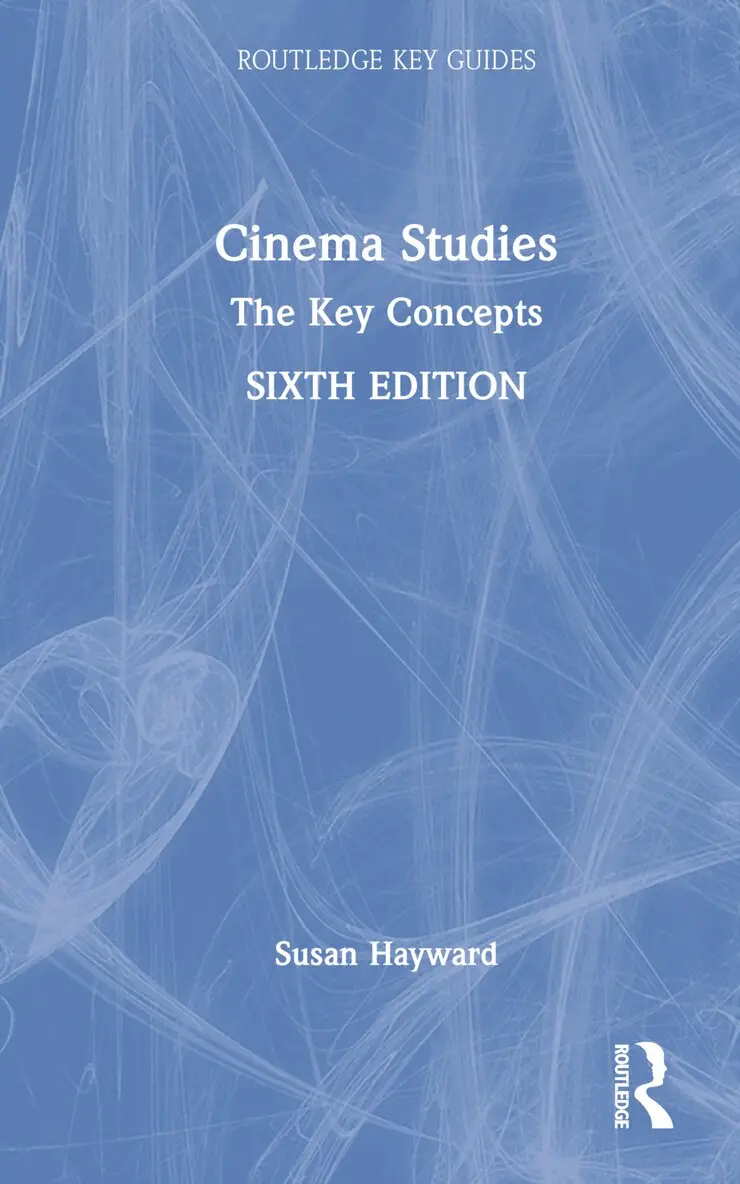
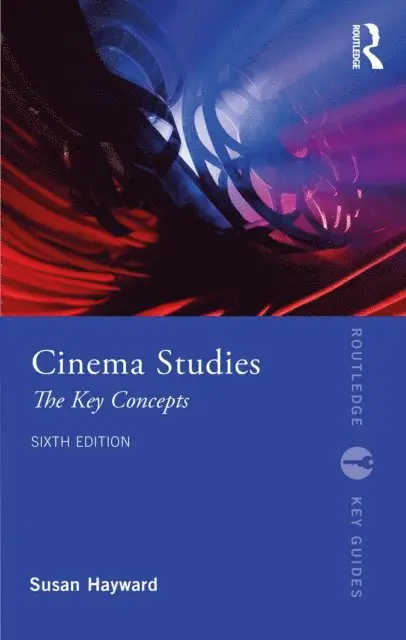
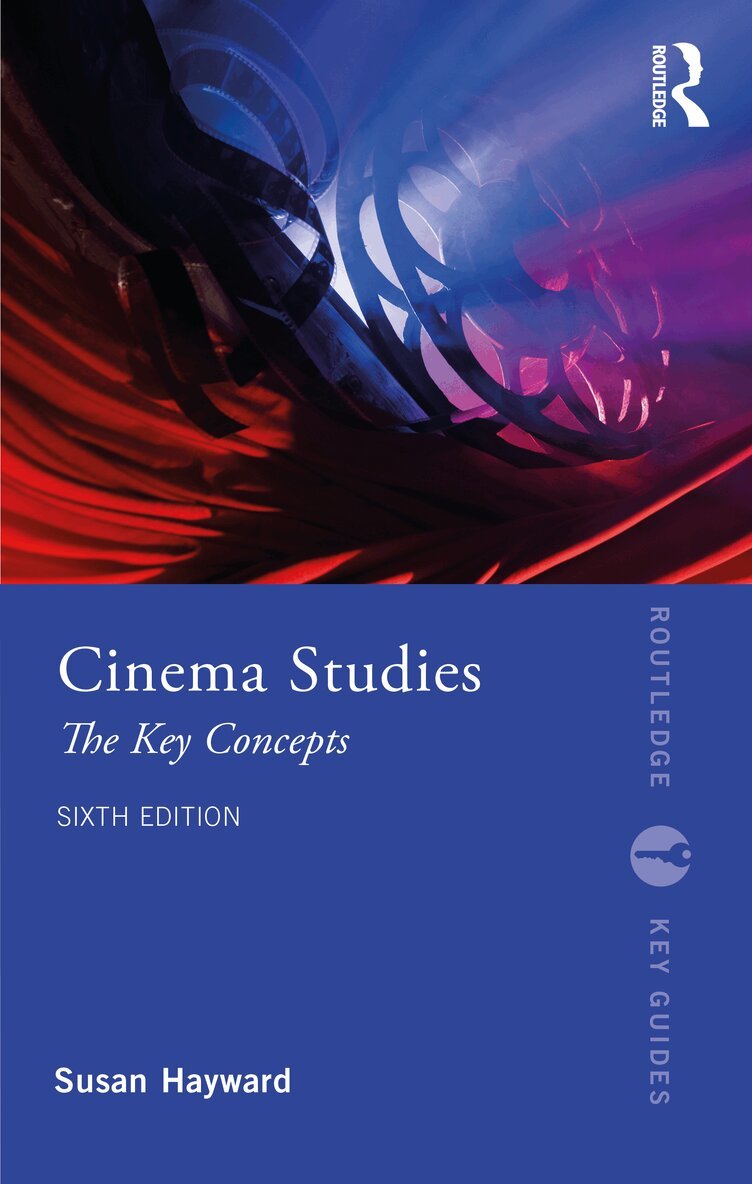
Now in its sixth edition, this essential guide for students provides accessible definitions of a comprehensive range of genres, movements, world cinemas, theories and production terms.
This fully revised and updated book includes new topical entries that explore areas such as film and the environmental crisis; streaming and new audience consumption; diversity and intersectionality; questions related to race and representation; the Black Lives Matter movement; and New Wave Cinemas of Eastern European countries. Further new entries include accented/exilic cinema, border-cinema, the oppositional gaze, sonic sound and Black westerns. Existing entries have been updated, including discussion of #MeToo, and more contemporary film examples have been added throughout.
This is a must-have guide for any student starting out on this fascinating area of study and arguably the greatest art form of modern times.

767 kr
Läs direkt efter köp
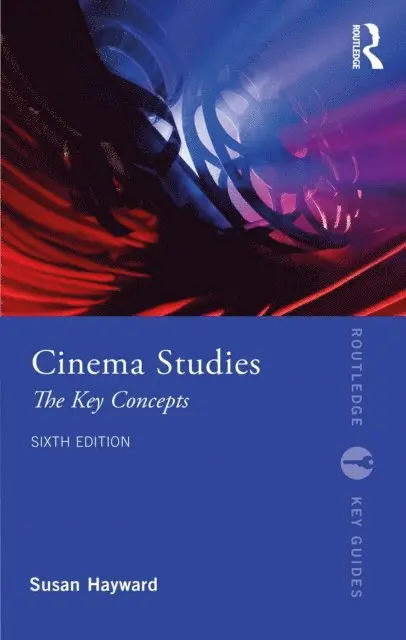
Now in its sixth edition, this essential guide for students provides accessible definitions of a comprehensive range of genres, movements, world cinemas, theories and production terms.
This fully revised and updated book includes new topical entries that explore areas such as film and the environmental crisis; streaming and new audience consumption; diversity and intersectionality; questions related to race and representation; the Black Lives Matter movement; and New Wave Cinemas of Eastern European countries. Further new entries include accented/exilic cinema, border-cinema, the oppositional gaze, sonic sound and Black westerns. Existing entries have been updated, including discussion of #MeToo, and more contemporary film examples have been added throughout.
This is a must-have guide for any student starting out on this fascinating area of study and arguably the greatest art form of modern times.

616 kr
Skickas inom 10-15 vardagar
813 kr
Skickas inom 10-15 vardagar
383 kr
Skickas inom 10-15 vardagar
633 kr
Kommande
2 491 kr
Kommande