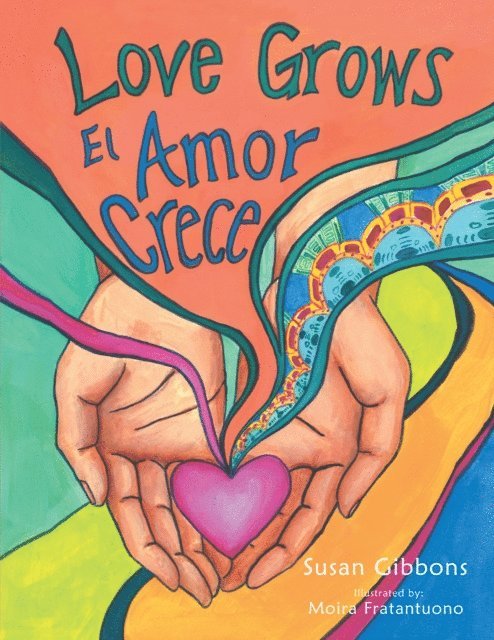
Love Grows is the true and amazing story of how Paty Villanueva showed love to the poor children of her town by teaching them to read and write in her home and of how that love has transformed their lives and the lives of those around them. In 2000, Paty realized her vision and with the help of her American friends built the Hearts For Honduras School in La Entrada, Honduras. In Honduras, public education is not free. Therefore, children from the poorest families never have the opportunity to attend school. The Hearts For Honduras School provides a high quality, holistic education to children who would not otherwise be able to attend school. These children are amazing and their interest in their education is overwhelming! Many will go on to college. 100% of the net proceeds of the sale of this book go to the Hearts For Honduras School through the Friends of Hearts For Honduras Foundation, a tax exempt non-profit organization that provides support to the school and scholarships to the students. For more information about the Hearts For Honduras School or to Sponsor A Student visit www.friendsofheartsforhonduras.org in the US or in Honduras contact Paty Villanueva at corazonesparahonduras@yahoo.com.El amor crece es la verdica e increble historia de cmo Paty Villanueva demostr amor a los nios pobres de su pueblo, ensendoles a leer y escribir en su hogar y de como ese amor transform sus vidas y las vidas de aquellos a su alrededor. En el ao 2000 Paty realiz su visin y con la ayuda de sus amigos americanos construy la Escuela Corazones para Honduras en La Entrada, Honduras. En Honduras la educacin pblica no es gratis. Por lo tanto, los nios de las familias ms pobres nunca tienen la oportunidad de asistir a la escuela. La Escuela Corazones para Honduras provee educacin holstica de alta calidad a los nios que de otra forma no podran asistir a la escuela. Estos nios son increbles y el inters que tienen en su educacin es arrollador! Muchos llegarn a ir a la universidad. 100% de los fondos netos recaudados mediante la venta de este libro van a la Escuela Corazones para Honduras a travs de una organizacin sin fines de lucro exenta de impuestos llamada Friends of Hearts For Honduras Foundation, la cual provee apoyo a la escuela y becas a los estudiantes. Para ms informacin sobre la Escuela Corazones para Honduras o para apadrinar a un estudiante visite www.friendsofheartsforhonduras.org en los EE.UU. o en Honduras comunquese con Paty Villanueva en corazonesparahonduras@yahoo.com .
Biobanks are proliferating rapidly worldwide because they are powerful tools and organisational structures for undertaking medical research. By linking samples to data on the health of individuals, it is anticipated that biobanks will be used to explore the relationship between genes, environment and lifestyle for many diseases, as well as the potential of individually-tailored drug treatments based on genetic predisposition. However, they also raise considerable challenges for existing legal frameworks and research governance structures. This book critically examines the current governance structures in place for biobanks in England and Wales. It shows that the technologies, techniques and practices involved in biobanking do not always conform neatly to existing legal principles and frameworks that apply to other areas of medical research. Using a socio-legal approach, including interview data gathered from the scientific community, this book provides unique insights and makes recommendations about appropriate governance mechanisms for biobanking in the future. It also explores the issues around the secondary use of information, such as consent and how to protect privacy, when biobanks are accessed by a number of different third parties. These issues have relevance both within England and Wales and to a wide international audience, as well as for other areas where large datasets are used.
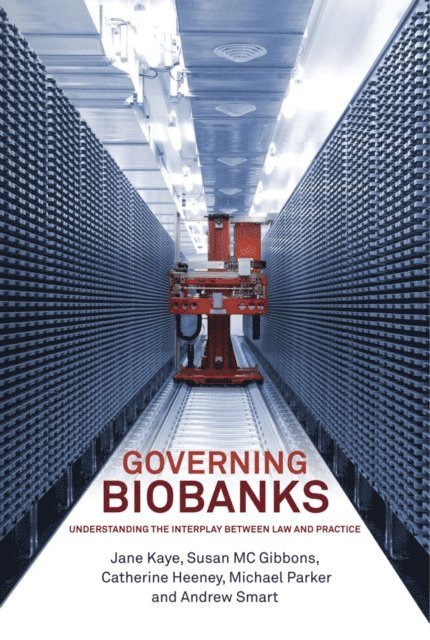
Biobanks are proliferating rapidly worldwide because they are powerful tools and organisational structures for undertaking medical research. By linking samples to data on the health of individuals, it is anticipated that biobanks will be used to explore the relationship between genes, environment and lifestyle for many diseases, as well as the potential of individually-tailored drug treatments based on genetic predisposition. However, they also raise considerable challenges for existing legal frameworks and research governance structures. This book critically examines the current governance structures in place for biobanks in England and Wales. It shows that the technologies, techniques and practices involved in biobanking do not always conform neatly to existing legal principles and frameworks that apply to other areas of medical research. Using a socio-legal approach, including interview data gathered from the scientific community, this book provides unique insights and makes recommendations about appropriate governance mechanisms for biobanking in the future. It also explores the issues around the secondary use of information, such as consent and how to protect privacy, when biobanks are accessed by a number of different third parties. These issues have relevance both within England and Wales and to a wide international audience, as well as for other areas where large datasets are used.
Biobanks are proliferating rapidly worldwide because they are powerful tools and organisational structures for undertaking medical research. By linking samples to data on the health of individuals, it is anticipated that biobanks will be used to explore the relationship between genes, environment and lifestyle for many diseases, as well as the potential of individually-tailored drug treatments based on genetic predisposition. However, they also raise considerable challenges for existing legal frameworks and research governance structures. This book critically examines the current governance structures in place for biobanks in England and Wales. It shows that the technologies, techniques and practices involved in biobanking do not always conform neatly to existing legal principles and frameworks that apply to other areas of medical research. Using a socio-legal approach, including interview data gathered from the scientific community, this book provides unique insights and makes recommendations about appropriate governance mechanisms for biobanking in the future. It also explores the issues around the secondary use of information, such as consent and how to protect privacy, when biobanks are accessed by a number of different third parties. These issues have relevance both within England and Wales and to a wide international audience, as well as for other areas where large datasets are used.