510 kr
Läs direkt efter köp
510 kr
Läs direkt efter köp
514 kr
Läs direkt efter köp
577 kr
Skickas inom 7-10 vardagar
624 kr
Skickas inom 10-15 vardagar
624 kr
Skickas inom 10-15 vardagar
630 kr
Skickas inom 10-15 vardagar
630 kr
Skickas inom 10-15 vardagar
896 kr
Läs direkt efter köp
896 kr
Läs direkt efter köp
2 526 kr
Skickas inom 10-15 vardagar
687 kr
Skickas inom 10-15 vardagar
490 kr
Skickas inom 10-15 vardagar
2 526 kr
Skickas inom 10-15 vardagar
651 kr
Skickas inom 10-15 vardagar
695 kr
Skickas inom 10-15 vardagar
732 kr
Skickas inom 10-15 vardagar
1 576 kr
Skickas inom 10-15 vardagar
490 kr
Skickas inom 10-15 vardagar
429 kr
Skickas inom 10-15 vardagar
2 113 kr
Skickas inom 10-15 vardagar
572 kr
Läs direkt efter köp
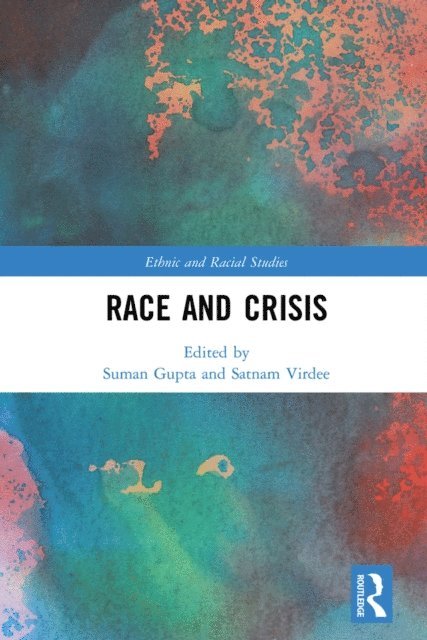
As the European Union seemingly teetered from a financial crisis to an immigration crisis around 2015 and onwards, discourses of race appeared to congeal in various member states. In some instances, these came with familiarly essentialist constructions; in others these were refracted cautiously through concerns about security, national and cultural integrity, distribution of public resources and employment, and so on. New political alignments surfaced on the back of such concerns, and established organizations changed their agendas accordingly. The border regimes of EU member states became increasingly fraught, both in terms of their everyday operations and in terms of the close attention and vociferous debates they attracted. In most instances, the internal and external borders of the EU hardened, and with increasing frequency the cohesion of the transnational union seemed on the verge of fracturing. Indeed, very real fissures opened up with secessionist moves and referendums. Through each step in this juncture of upheavals, the significance of race has been reiterated in tangential ways and sometimes with unabashed straightforwardness.
This volume explores this juncture around 2015, and the constructions of race and of crisis therein, for specific contexts and from a range of disciplinary perspectives. The introduction gives an overview of the juncture, focusing on the rise of Eurosceptic nationalist political parties and their electoral success. Subsequent chapters are addressed to the management and representation of immigrants crossing the Mediterranean, border regimes in the Czech Republic, the narratives that converged on Brexit, riots in England, antagonistic popular movements in Sweden, racialization in crisis management in Italy, perceptions of migrants in Greece, and how race may be structured in and challenged through classroom pedagogy. This book was originally published as a special issue of Ethnic and Racial Studies.
559 kr
Läs direkt efter köp
As the European Union seemingly teetered from a financial crisis to an immigration crisis around 2015 and onwards, discourses of race appeared to congeal in various member states. In some instances, these came with familiarly essentialist constructions; in others these were refracted cautiously through concerns about security, national and cultural integrity, distribution of public resources and employment, and so on. New political alignments surfaced on the back of such concerns, and established organizations changed their agendas accordingly. The border regimes of EU member states became increasingly fraught, both in terms of their everyday operations and in terms of the close attention and vociferous debates they attracted. In most instances, the internal and external borders of the EU hardened, and with increasing frequency the cohesion of the transnational union seemed on the verge of fracturing. Indeed, very real fissures opened up with secessionist moves and referendums. Through each step in this juncture of upheavals, the significance of race has been reiterated in tangential ways and sometimes with unabashed straightforwardness.
This volume explores this juncture around 2015, and the constructions of race and of crisis therein, for specific contexts and from a range of disciplinary perspectives. The introduction gives an overview of the juncture, focusing on the rise of Eurosceptic nationalist political parties and their electoral success. Subsequent chapters are addressed to the management and representation of immigrants crossing the Mediterranean, border regimes in the Czech Republic, the narratives that converged on Brexit, riots in England, antagonistic popular movements in Sweden, racialization in crisis management in Italy, perceptions of migrants in Greece, and how race may be structured in and challenged through classroom pedagogy. This book was originally published as a special issue of Ethnic and Racial Studies.
894 kr
Skickas inom 7-10 vardagar
282 kr
Skickas inom 7-10 vardagar
317 kr
Läs direkt efter köp
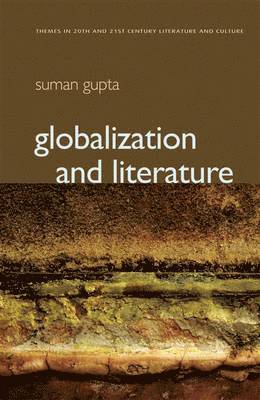
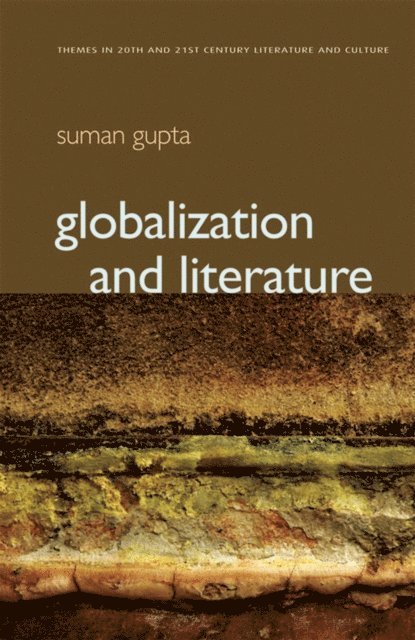
Suman Gupta argues that, while literature has registered globalization processes in relevant ways, there has been a missed articulation between globalization studies and literary studies. Examples are given of some of the ways in which this slippage is now being addressed and may be taken forward, taking up such themes as the manner in which anti-globalization protests and world cities have figured in literary works; the ways in which theories of postmodernism and postcolonialism, familiar in literary studies, have diverged from and converged with globalization studies; and how industries to do with the circulation of literature are becoming globalized.
This book is intended for university-level students and teachers, researchers, and other informed readers with an interest in the above issues, and serves as both a survey of the field and an intervention within it.
2 515 kr
Skickas inom 10-15 vardagar
2 270 kr
Skickas inom 10-15 vardagar
601 kr
Skickas inom 10-15 vardagar
814 kr
Läs direkt efter köp
814 kr
Läs direkt efter köp