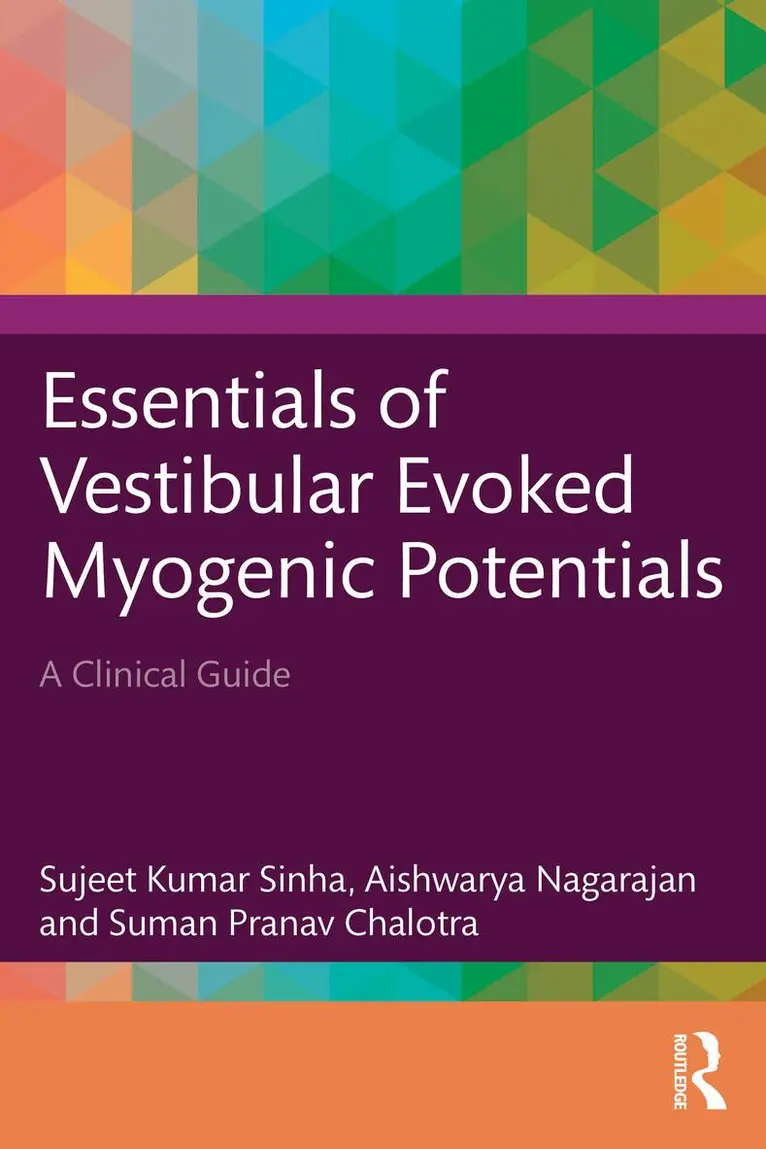
This accessible guide introduces Vestibular Evoked Myogenic Potentials (VEMPs)—essential tests for diagnosing balance disorders affecting the inner ear.Documenting basic anatomy to step-by-step procedures to bridge the gap between theory and practical application, this guidebook equips its readers to implement VEMPs in clinical practice confidently. The volume provides clear recording protocols and interpretation guidelines covering all three VEMP types: cervical, ocular, and the newer masseter VEMPs. It also presents an extensive collection of real patient case studies with actual test results and straightforward explanations.Written for healthcare professionals and students, this book transforms complex concepts into practical knowledge. It will appeal to audiologists, ENT specialists, neurologists, and physical therapists specialising in vestibular rehabilitation who seek to enhance their diagnostic understanding of balance disorders. Graduate students in audiology, medicine, and neuroscience programs will also find this an invaluable resource for understanding the clinical applications of vestibular testing in their future practice.
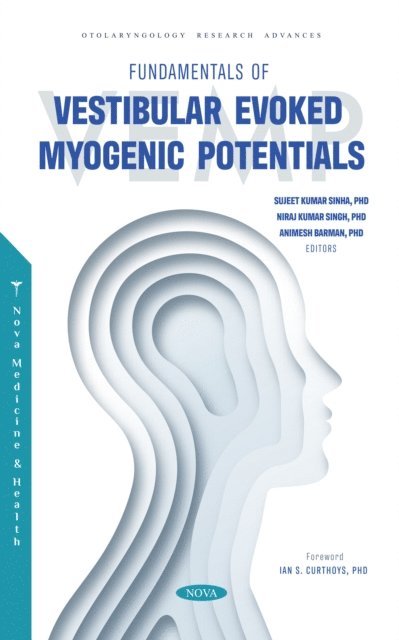
Vestibular-evoked myogenic potentials(VEMPs) are essential in assessing the otolith function in individuals with various vestibular disorders. There are three types of vestibular evoked myogenic potentials: cervical vestibular evoked myogenic potentials, ocular vestibular evoked myogenic potentials, and masseter vestibular evoked myogenic potentials are recorded in various clinical settings. The book Fundamentals of Vestibular Evoked Myogenic Potentials covers all the information related to all three types of VEMPs. The book has eighteen chapters containing information on recording, factors affecting and applications of VEMPs in various vestibular pathologies such as Meniere’s disease, Labyrinthitis, BPPV, NIHL, vestibular neuritis, third window syndrome, congenital sensorineural hearing loss, ototoxicity, vestibular Schwannoma and diseases of the central nervous system.
This handbook is a collection of authoritative information in the new and expanding field of polymer tribology. It brings together various research topics in the field of polymer tribology in a single volume, and provides relevant data in polymer tribology for research and industrial applications.The book's chapters are written by active, world-renowned researchers in the field. Subjects covered in this book range from the fundamentals of polymer tribology to highly applied topics such as machine element design (bearing and gears), hip prosthetic and microsystems applications.Readers in the field of tribology, in general, and polymer tribology, in particular, will find it very useful as it covers nearly all aspects of polymer tribology. Academics creating new courses based on polymer tribology will also find this book's comprehensive coverage valuable. Researchers will find this book a ready source of the state-of-the-art in the field of polymer tribology.
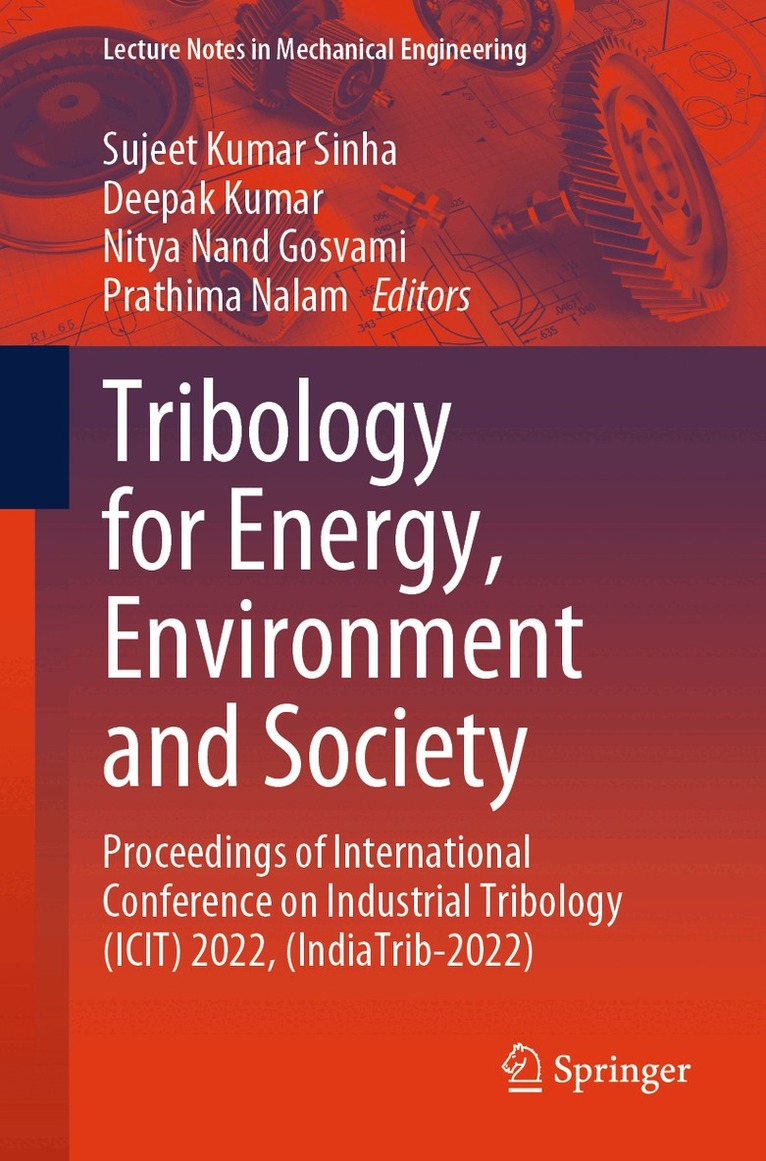
This book comprises the select proceedings of the 11th International Conference on Industrial Tribology (ICIT), IndiaTrib-2022, jointly organized by the Indian Institute of Technology Delhi, India, and the Tribology Society of India. It covers recent developments in the broad field of tribology. Apart from the traditional fields in tribology, this book also covers many new emerging fields such as artificial intelligence and machine learning applications in tribology, bio-tribology, 3D printing, etc. This book is highly useful for researchers and professionals in the field of tribology, mechanical engineering, production engineering, aerospace engineering, nuclear engineering, and engineering materials.
Vestibular-evoked myogenic potentials(VEMPs) are essential in assessing the otolith function in individuals with various vestibular disorders. There are three types of vestibular evoked myogenic potentials: cervical vestibular evoked myogenic potentials, ocular vestibular evoked myogenic potentials, and masseter vestibular evoked myogenic potentials are recorded in various clinical settings. The book Fundamentals of Vestibular Evoked Myogenic Potentials covers all the information related to all three types of VEMPs. The book has eighteen chapters containing information on recording, factors affecting and applications of VEMPs in various vestibular pathologies such as Meniere’s disease, Labyrinthitis, BPPV, NIHL, vestibular neuritis, third window syndrome, congenital sensorineural hearing loss, ototoxicity, vestibular Schwannoma and diseases of the central nervous system.