An autistic science journalist investigates empathy tests, nervous laughter and the damaging myth that autism means not caring.What does it mean to be told you have almost no empathy - when your life has been shaped by feeling too much?At sixty, Sue Nelson received an autism diagnosis that redefined her past: the sensory overload; relentless masking; social misunderstandings; anxiety; and involuntary laughter at news of a dog's death. Then came a devastating assessment reducing her empathy to a score of six out of eighty.In Laughing at a Dead Dog, Nelson investigates the science, history and human cost of the autistic 'empathy deficit' myth. Drawing on her own life, interviews with autistic people, clinicians, neuroscientists and advocates, she challenges stereotypes and asks what empathy tests actually measure - and what they miss. She explores alexithymia, stimming, gender bias, genetic research and the startling possibility of hyper-empathy.She also considers the practical cost of being misunderstood: shame after diagnosis; burnout; difficulties in healthcare; and the pressure to perform social behaviour in the 'right' way.Clear-eyed, moving and very funny, this is essential reading for anyone navigating adult diagnosis or seeking a more humane account of neurodivergence.
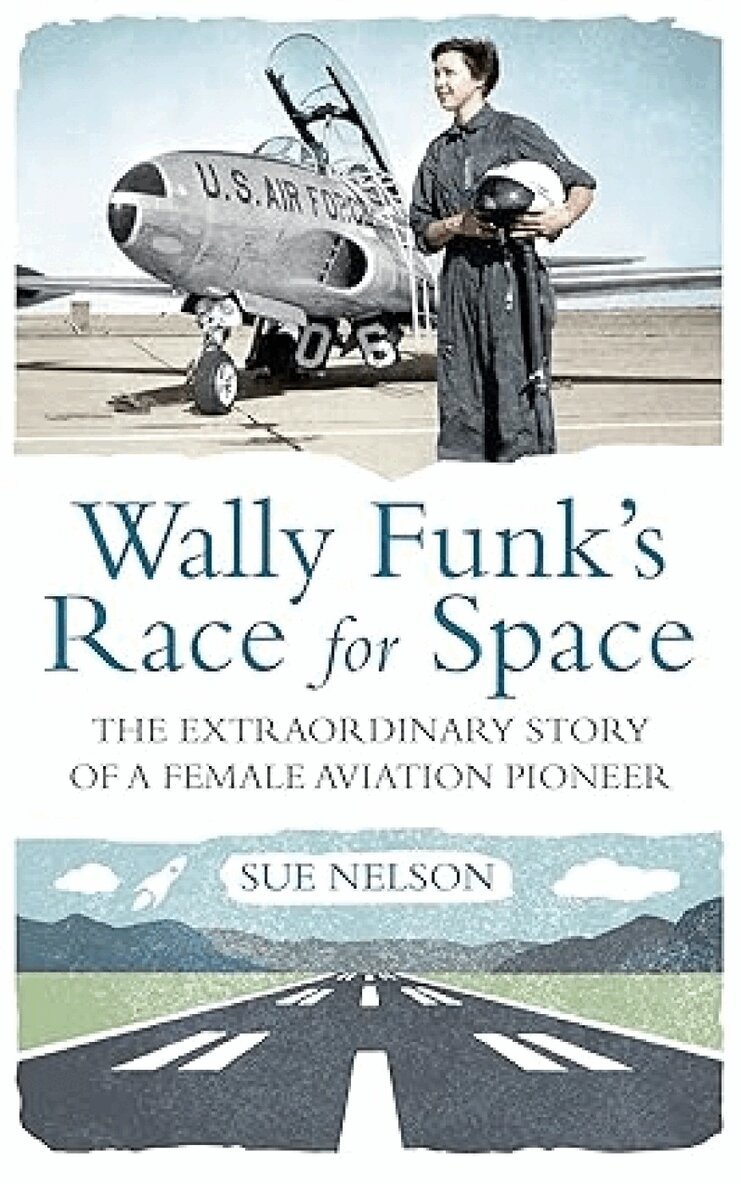
In 1961, Wally Funk was the youngest of thirteen American female pilots in the Woman in Space programme. Her mission was to become one of the first women astronauts. But a combination of politics and prejudice meant the programme was abruptly cancelled. Neither Wally nor the other pilots ever made it into space. Now approaching eighty, Wally is joined by fellow space enthusiast Sue Nelson as she races to make her giant leap before it’s too late. They travel across the United States and Europe – taking in NASA’s mission control in Houston and Spaceport America in New Mexico, where Wally’s ride into space awaits – meeting with female astronauts and trailblazers along the way. Touching on the Space Race and women’s achievements in aviation, this is the remarkable story of a courageous pioneer who could have been the first woman in space.