Inbunden, Engelska, 2015
1 544 kr
Skickas inom 10-15 vardagar
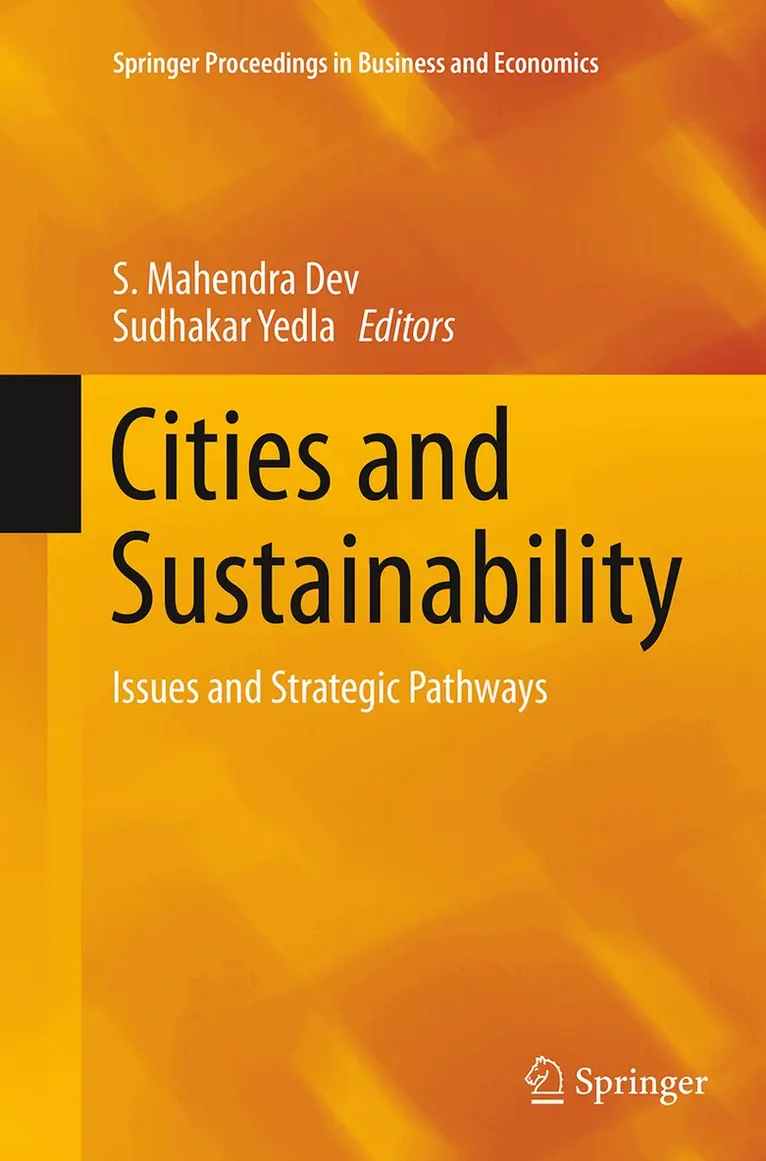
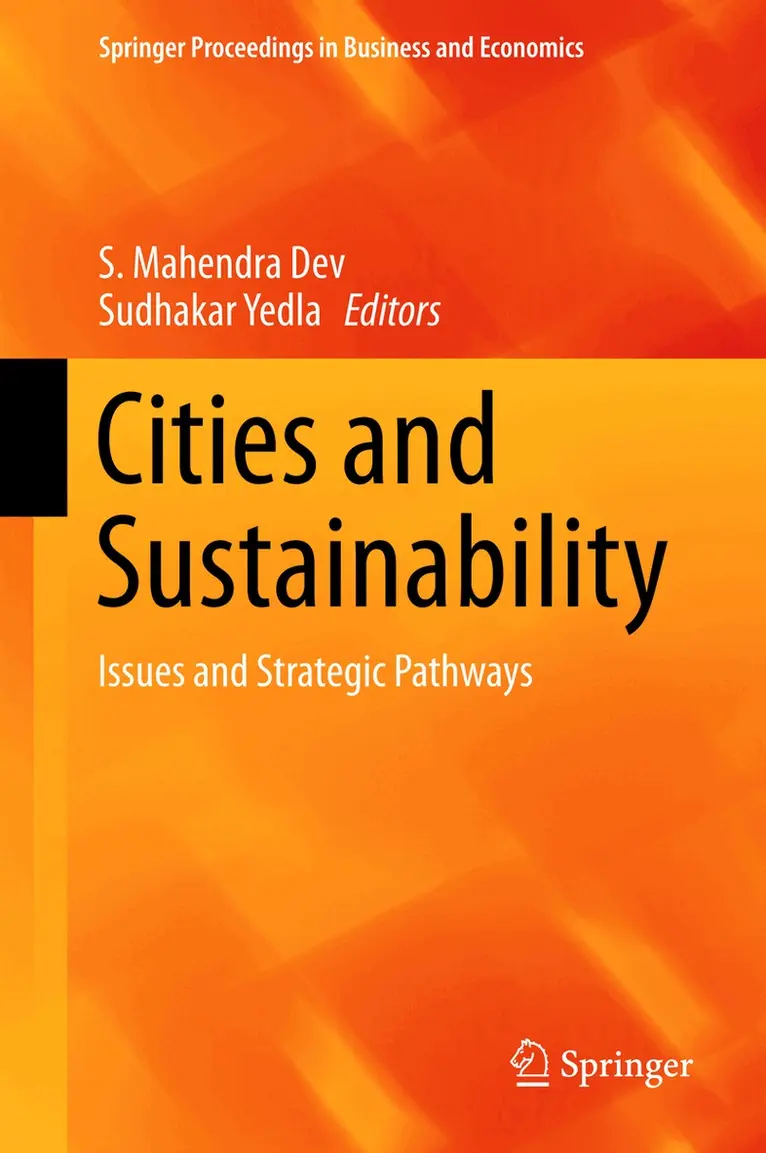
The book addresses the sustainability of cities in the context of sustainability science and its application to the city boundary. In doing so it investigates all the components of a city on the basis of sustainability criteria. To achieve sustainability it is essential to adopt an integrated strategy that reflects all sectors within the city boundary and also address the four key normative concepts: the right to develop for all sections, social inclusion, convergence in living standards and shared responsibility and opportunities among sectors and sections. In this book, the individual chapters examine the nodes of sustainability of a city and thus essentially present a large canvas wherein all sustainability-relevant issues are interwoven. This integrative approach is at the heart of the book and offers an extensive, innovative framework for future research on cities and sustainability alike. The book also includes selected case studies that add to the reading and comprehension valueof the concepts presented, ensuring a blend of theory and practical case studies to help readers better comprehend the principle of sustainability and its application.