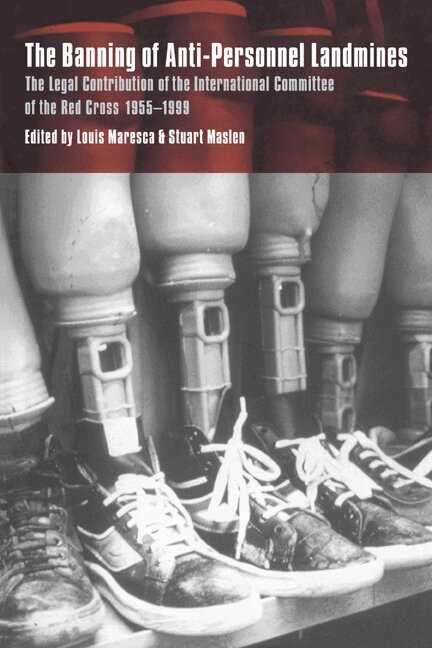
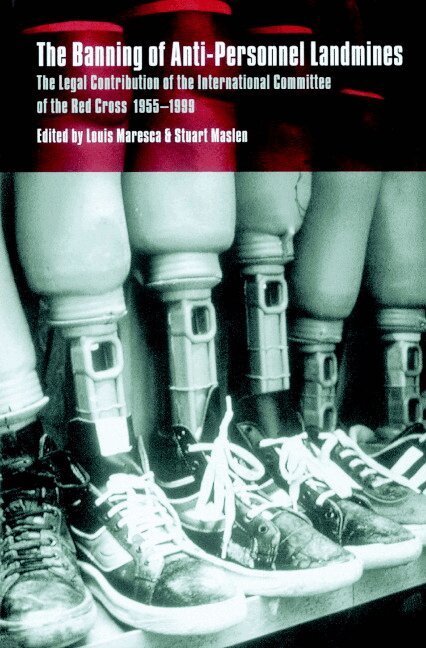
The International Committee of the Red Cross has played a key role in the effort to ban anti-personnel landmines and in offering aid to victims of war and internal armed violence. This book provides an overview of the work of the ICRC in this area from 1955 through 1999, and gives additional commentary on general issues of the methods and means of warfare. It contains International Committee of the Red Cross position papers, working papers, and speeches made by its representatives to the international meetings convened to address the mines issue, including the 1995-96 Review Conference of the 1980 Convention on Certain Conventional Weapons and the diplomatic meeting which adopted the Ottawa treaty banning anti-personnel mines. These documents provide critical insights into the development of international humanitarian law on this issue, and will form a basis for discussions on landmines and other conventional weapons.
The International Committee of the Red Cross has played a key role in the effort to ban anti-personnel landmines and in offering aid to victims of war and internal armed violence. This book provides an overview of the work of the ICRC in this area from 1955 through 1999, and gives additional commentary on general issues of the methods and means of warfare. It contains International Committee of the Red Cross position papers, working papers, and speeches made by its representatives to the international meetings convened to address the mines issue, including the 1995-96 Review Conference of the 1980 Convention on Certain Conventional Weapons and the diplomatic meeting which adopted the Ottawa treaty banning anti-personnel mines. These documents provide critical insights into the development of international humanitarian law on this issue, and will form a basis for discussions on landmines and other conventional weapons.
Anti-Personnel Mines under Humanitarian Law: A View From the Vanishing Point considers in depth the various customary and conventional legal regimes applicable to the use of anti-personnel mines. All involved with the global effort to control and eliminate anti-personnel mines as well as the policy-makers who are concerned about the devastation resulting from the widespread deployment of these arbitrary weapons need to familiarize themselves with the information presented in this timely volume. Published under the Transnational Publishers imprint.
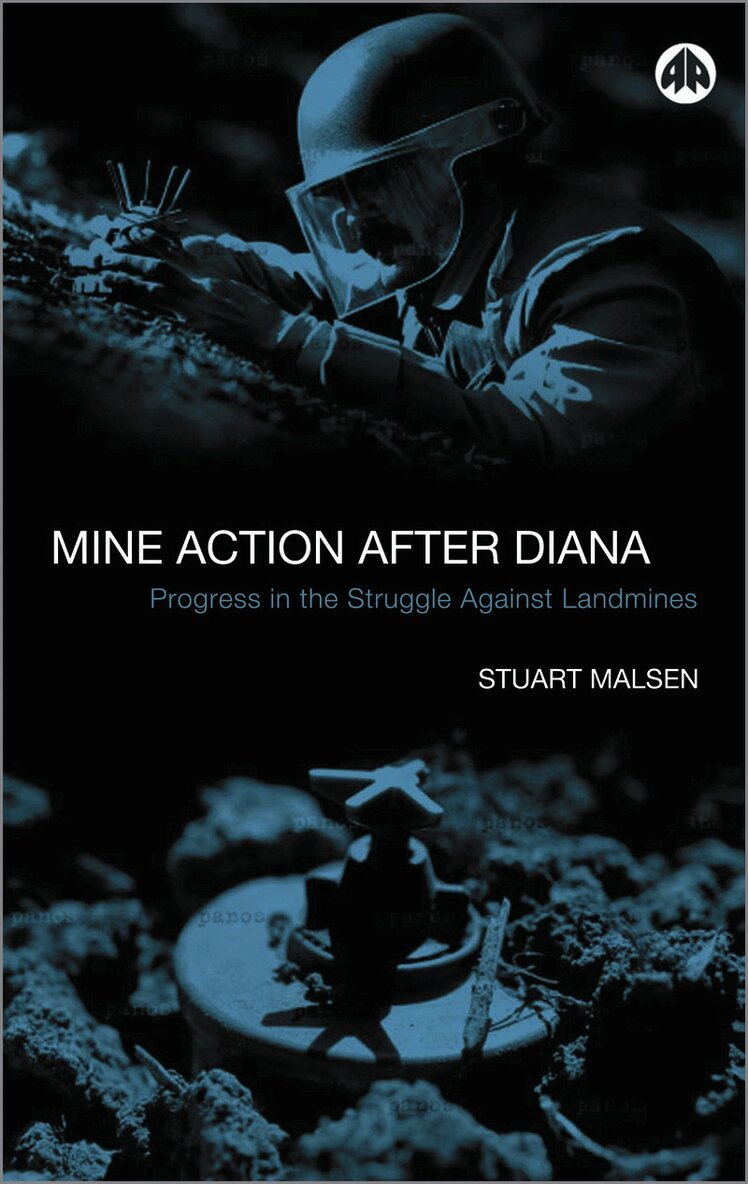
In 1997, many countries came together to pledge $500 million over five years to 'mine action' programmes to tackle the destruction caused by landmines. Is the world a safer place as a result of the ban? Has international mine action been a success? What lessons have been learnt along the way? What are the challenges for the future? In short, what is the true extent of Princess Diana's legacy?Stuart Maslen assesses the effectiveness of mine awareness, mine clearance operations, victim assistance, international law and stockpile destruction. He outlines the global threat that mines present and the evolution of the mine action programme worldwide.