1 355 kr
Skickas inom 10-15 vardagar
1 355 kr
Skickas inom 10-15 vardagar
988 kr
Skickas inom 10-15 vardagar
2 761 kr
Skickas inom 10-15 vardagar
472 kr
Skickas inom 7-10 vardagar
344 kr
Skickas inom 7-10 vardagar
424 kr
Skickas inom 7-10 vardagar
439 kr
Skickas inom 7-10 vardagar
296 kr
Skickas inom 7-10 vardagar
316 kr
Skickas inom 7-10 vardagar
424 kr
Skickas inom 7-10 vardagar
286 kr
Skickas inom 7-10 vardagar
2 602 kr
Skickas inom 10-15 vardagar
1 118 kr
Läs direkt efter köp
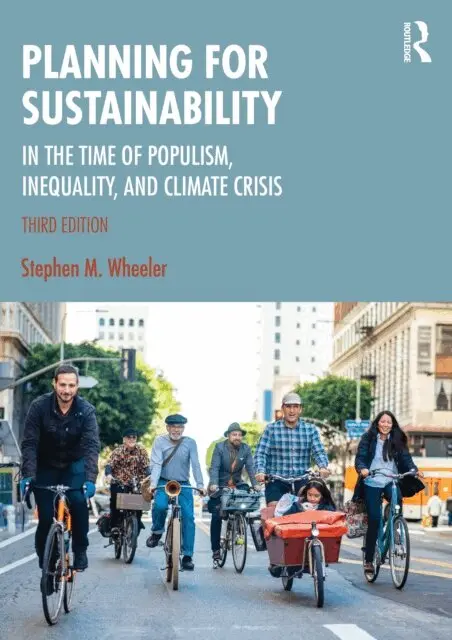
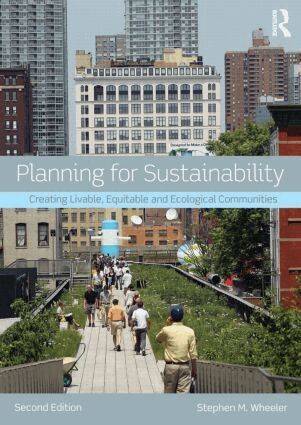
How can humanity sustain itself and thrive on a small planet? This challenge grows ever more urgent as the climate crisis deepens and as right-wing populism and high levels of inequality prevent action.
Planning for Sustainability presents a wide-ranging, intellectually well-grounded, and accessible introduction to the concept of sustainability planning. The text explores topics such as how more livable cities and towns might be created, how greenhouse gas emissions might be curtailed, how social inequities might be reduced, how local ecosystems can be restored, and how more sustainable forms of economic development can be brought about.
More than simply a third edition, this book has been extensively rewritten to provide a timely rethinking of the nature of sustainability planning, issues central to it, and scales of application. There is a new focus on system change in order for other forms of progress to come about. This edition also includes expanded material on climate action, housing, social equity, capitalism, democracy, the Sustainable Development Goals, and the developing world.
This book considers in turn each scale of planning - international, national, regional, municipal, neighborhood, and site and building - and illustrates how sustainability action at different scales interrelates. This comprehensive volume lays out a hopeful and constructive view of the future in a time of growing challenge. It will be essential reading for students of urban planning, urban development, and similar fields and practitioners.
1 593 kr
Läs direkt efter köp
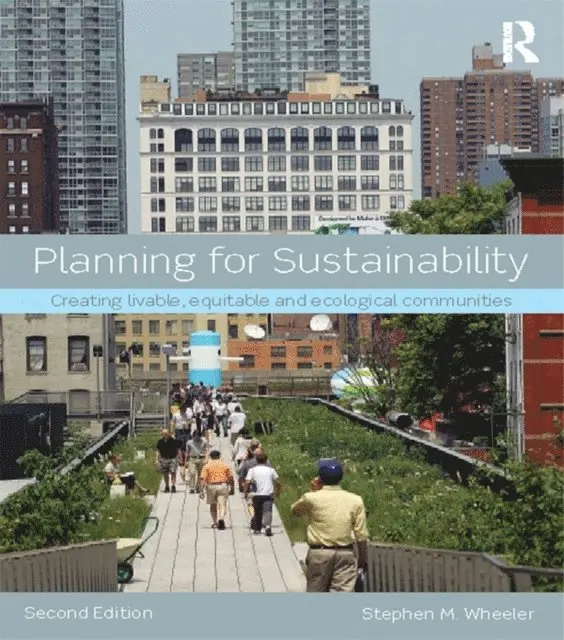
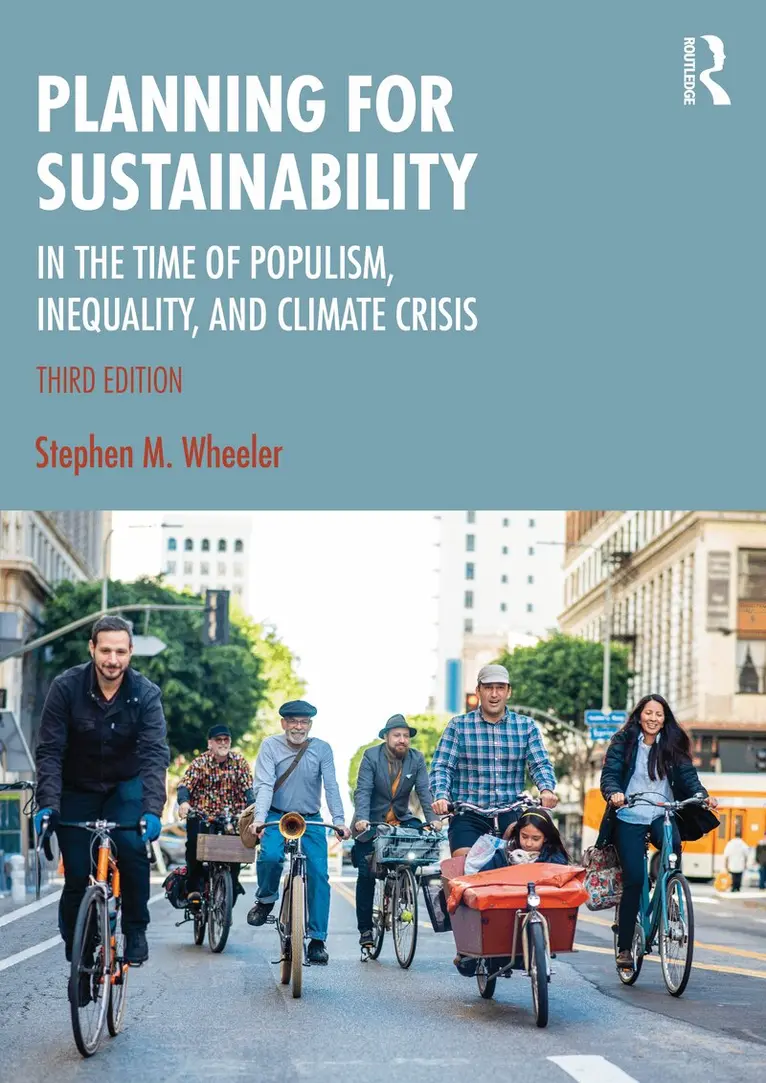
How can human communities sustain a long-term existence on a small planet? This challenge grows ever more urgent as the threat of global warming increases.
Planning for Sustainability presents a wide-ranging, intellectually well-grounded and accessible introduction to the concept of planning for more sustainable and livable communities. The text explores topics such as how more compact and walkable cities and towns might be created, how local ecosystems can be restored, how social inequalities might be reduced, how greenhouse gas emissions might be lowered, and how more sustainable forms of economic development can be brought about.
The second edition has been extensively revised and updated throughout, including an improved structure with chapters now organized under three sections: the nature of sustainable planning, issues central to sustainable planning, and scales of sustainable planning. New material includes greater discussion of climate change, urban food systems, the relationships between public health and the urban environment, and international development.
Building on past schools of planning theory, Planning for Sustainability lays out a sustainability planning framework that pays special attention to the rapidly evolving institutions and power structures of a globalizing world. By considering in turn each scale of planning—international, national, regional, municipal, neighborhood, and site and building—the book illustrates how sustainability initiatives at different levels can interrelate. Only by weaving together planning initiatives and institutions at different scales, and by integrating efforts across disciplines, can we move towards long-term human and ecological well-being.
1 593 kr
Läs direkt efter köp
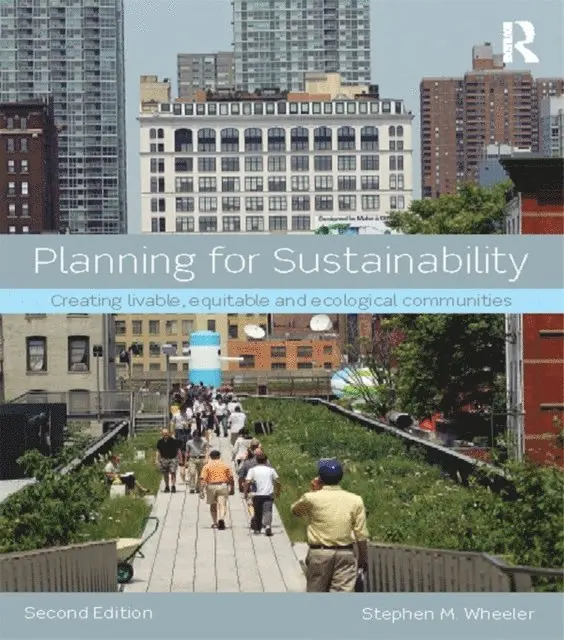
How can human communities sustain a long-term existence on a small planet? This challenge grows ever more urgent as the threat of global warming increases.
Planning for Sustainability presents a wide-ranging, intellectually well-grounded and accessible introduction to the concept of planning for more sustainable and livable communities. The text explores topics such as how more compact and walkable cities and towns might be created, how local ecosystems can be restored, how social inequalities might be reduced, how greenhouse gas emissions might be lowered, and how more sustainable forms of economic development can be brought about.
The second edition has been extensively revised and updated throughout, including an improved structure with chapters now organized under three sections: the nature of sustainable planning, issues central to sustainable planning, and scales of sustainable planning. New material includes greater discussion of climate change, urban food systems, the relationships between public health and the urban environment, and international development.
Building on past schools of planning theory, Planning for Sustainability lays out a sustainability planning framework that pays special attention to the rapidly evolving institutions and power structures of a globalizing world. By considering in turn each scale of planning—international, national, regional, municipal, neighborhood, and site and building—the book illustrates how sustainability initiatives at different levels can interrelate. Only by weaving together planning initiatives and institutions at different scales, and by integrating efforts across disciplines, can we move towards long-term human and ecological well-being.
328 kr
Skickas inom 7-10 vardagar
267 kr
Skickas inom 3-6 vardagar
592 kr
Skickas inom 3-6 vardagar
265 kr
Skickas inom 3-6 vardagar
250 kr
Skickas inom 3-6 vardagar
252 kr
Skickas inom 3-6 vardagar
238 kr
Skickas inom 3-6 vardagar
250 kr
Skickas inom 3-6 vardagar
250 kr
Skickas inom 3-6 vardagar
257 kr
Skickas inom 3-6 vardagar
250 kr
Skickas inom 3-6 vardagar
482 kr
Skickas inom 7-10 vardagar
483 kr
Skickas inom 7-10 vardagar
2 759 kr
Skickas inom 7-10 vardagar
Der spätantike Dichter Claudian erlebt seit über dreißig Jahren eine anhaltende Renaissance des Interesses an seinem Werk. So lässt sich eine gewisse Rehabilitation des Künstlers Claudian konstatieren, seine Stellung innerhalb der Entwicklung der lateinischen Dichtung aber ist dennoch bisher keiner kritischen Würdigung unterzogen worden. Der vorliegende Band präsentiert die Ergebnisse der ersten Claudian-Tagung überhaupt. In neuen Beiträgen von Gelehrten wie Franca Ela Consolino, Manfred Fuhrmann, Siegmar Döpp, Isabella Gualandri, Jacqueline Long und Peter Lebrecht Schmidt, aber auch einer Reihe jüngerer Claudian-Forscher werden das literatur- und geistesgeschichtliche Umfeld, Themen und Motive, Ästhetik, Überlieferung und Rezeption der Werke Claudians behandelt. So entsteht ein Eindruck nicht nur von der Einheit eines Gesamtwerks, in dem politische und mythologische Epik, Epigramme und Elegien einander ergänzen und beleuchten, sondern auch von der Einheit Claudians mit seiner Epoche und von der Einheitlichkeit eines Claudian-Bildes, das durch die Forschung der vergangenen Jahrzehnte an Kontur gewonnen hat.