
Inbunden, Engelska, 2027
1 148 kr
Kommande
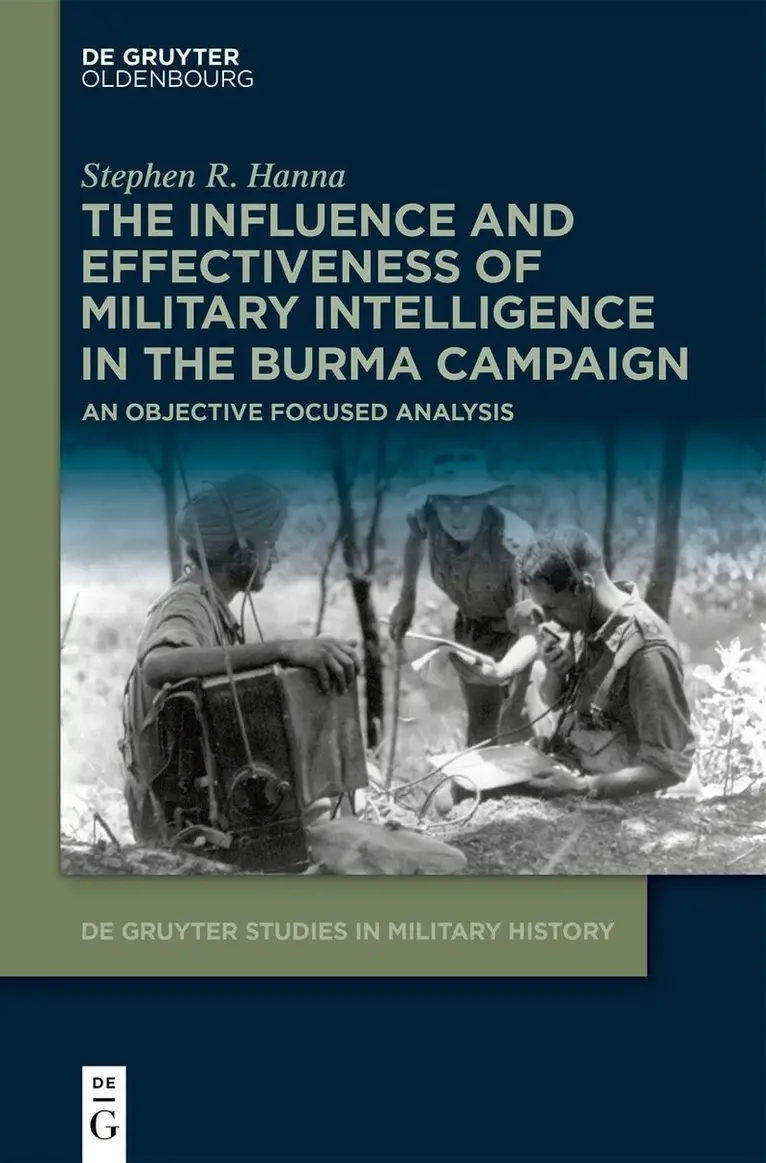
Military intelligence has eluded both a consistent definition and system of analysis despite the growing body of intelligence literature. This work seeks to undertake a holistic analysis of military intelligence performance in war using the Burma Theatre of World War II as a case study. A definition is proposed alongside an original evaluative framework which divides the broad ambit of military intelligence into four areas as the basis for a qualitative analysis of primary documentation and existing literature. The framework moves away from the organisation-focused paradigm and uses the objectives of military intelligence as the basis for analysis. This approach allows for an assessment of intelligence performance to be based on tangible battlefield influence irrespective of the source of tasking, collection, analysis, and dissemination and thus creates a broader context for estimations of effectiveness. The findings add to established scholarship on British-Indian and Japanese intelligence but also highlight the influence and interplay of the conceptual, cultural, and material weaknesses that influenced the conflict and remain underexplored in the existing literature. The thesis utilises Japanese sources translated for the first time to explore the Imperial Japanese Army’s conceptions of intelligence and its limited but effective use through intelligence-driven action and development in Burma. It is argued that the logistic isolation of Burma, combined with institutional and cultural issues within the IJA, limited the development and performance of military intelligence by the Burma Area Army. Conversely, British-Indian successes were the result of iterative changes influenced by a more expansive conception of the value of military intelligence and extensive absorption of frontline experience and integration of intelligence activities with warfighting. This research adds to the literature on intelligence in war and the Burma Theatre and proposes that wider application of the framework presented would create a stronger and more consistent corpus of military intelligence analysis.