The dot-com revolution has brought many advances before unimagined. Of them all, it may be said that none have surpassed e-government in attracting a significant number of researchers and practitioners from around the world. However, the question remains whether everyone is ready to join the e-government movement, or if some are just blindly following the latest trend. Digital Solutions for Contemporary Democracy and Government touches on several key issues and challenges surrounding the recent e-government boom and offers practical solutions from those who have been a part of implementing e-government programs internationally. Due to its breadth of discussion on a variety of topics relating to the intersection of technology with politics, democracy, and government, this authoritative book is a valuable reference source for professionals, researchers, and students in the field of e-government, information management, or knowledge management.
The dot-com revolution has brought many advances before unimagined. Of them all, it may be said that none have surpassed e-government in attracting a significant number of researchers and practitioners from around the world. However, the question remains whether everyone is ready to join the e-government movement, or if some are just blindly following the latest trend. Digital Solutions for Contemporary Democracy and Government touches on several key issues and challenges surrounding the recent e-government boom and offers practical solutions from those who have been a part of implementing e-government programs internationally. Due to its breadth of discussion on a variety of topics relating to the intersection of technology with politics, democracy, and government, this authoritative book is a valuable reference source for professionals, researchers, and students in the field of e-government, information management, or knowledge management.
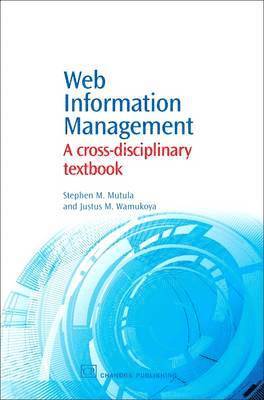
This is a cross-disciplinary text book on web-based information management for students, faculty and practitioners (in business, industry and government). The Web has emerged as a universal space of information, occasioning proliferation of electronic publications. Though efforts have been made in developing tools and methods such as search engines, metadata, portals, subject directories and subject gateways aimed at enhancing the organization of and accessibility to information on the web, more remains to be done. The book addresses gaps in the existing web-based tools and methods for information management.- Cross disciplinary e.g. information science, information systems, computer science, business and records management- Addresses topical issues in web information management such as content management, e-records readiness, e-government, portals and intranets, open source software, emerging technologies-WiMax, Bluetooth, etc.- Targets audience in tertiary education, government, business and industry
This is a cross-disciplinary text book on web-based information management for students, faculty and practitioners (in business, industry and government). The Web has emerged as a universal space of information, occasioning proliferation of electronic publications. Though efforts have been made in developing tools and methods such as search engines, metadata, portals, subject directories and subject gateways aimed at enhancing the organization of and accessibility to information on the web, more remains to be done. The book addresses gaps in the existing web-based tools and methods for information management.
This is a cross-disciplinary text book on web-based information management for students, faculty and practitioners (in business, industry and government). The Web has emerged as a universal space of information, occasioning proliferation of electronic publications. Though efforts have been made in developing tools and methods such as search engines, metadata, portals, subject directories and subject gateways aimed at enhancing the organization of and accessibility to information on the web, more remains to be done. The book addresses gaps in the existing web-based tools and methods for information management.Cross disciplinary e.g. information science, information systems, computer science, business and records managementAddresses topical issues in web information management such as content management, e-records readiness, e-government, portals and intranets, open source software, emerging technologies-WiMax, Bluetooth, etc.Targets audience in tertiary education, government, business and industry