495 kr
Läs direkt efter köp
495 kr
Läs direkt efter köp
583 kr
Läs direkt efter köp
2 085 kr
Skickas inom 5-8 vardagar
1 482 kr
Läs direkt efter köp
1 482 kr
Läs direkt efter köp
858 kr
Skickas inom 7-10 vardagar
924 kr
Skickas inom 7-10 vardagar
960 kr
Skickas inom 7-10 vardagar
2 306 kr
Skickas inom 7-10 vardagar
457 kr
Läs direkt efter köp
457 kr
Läs direkt efter köp
2 758 kr
Skickas inom 7-10 vardagar
587 kr
Läs direkt efter köp
652 kr
Skickas inom 7-10 vardagar
549 kr
Skickas inom 5-8 vardagar
492 kr
Läs direkt efter köp
2 497 kr
Skickas inom 10-15 vardagar
687 kr
Skickas inom 10-15 vardagar
637 kr
Skickas inom 10-15 vardagar
2 526 kr
Skickas inom 10-15 vardagar
1 655 kr
Skickas inom 10-15 vardagar
448 kr
Skickas inom 10-15 vardagar
808 kr
Läs direkt efter köp
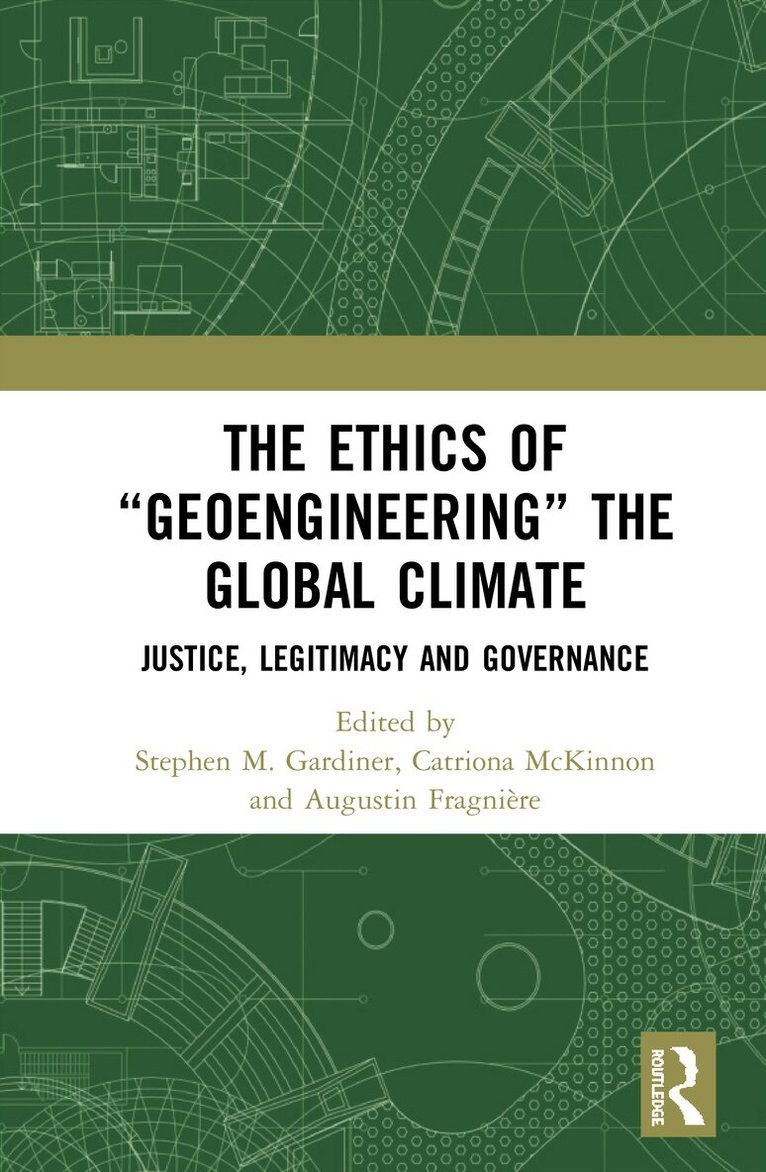
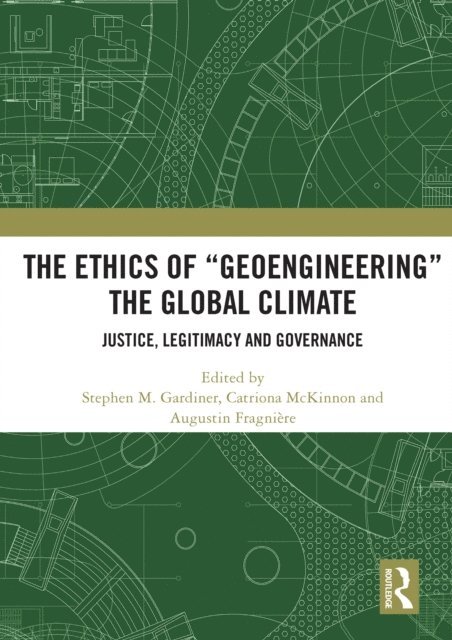
In the face of limited time and escalating impacts, some scientists and politicians are talking about attempting "grand technological interventions" into the Earth’s basic physical and biological systems ("geoengineering") to combat global warming. Early ideas include spraying particles into the stratosphere to block some incoming sunlight, or "enhancing" natural biological systems to withdraw carbon dioxide from the atmosphere at a higher rate. Such technologies are highly speculative and scientific development of them has barely begun.
Nevertheless, it is widely recognized that geoengineering raises critical questions about who will control planetary interventions, and what responsibilities they will have. Central to these questions are issues of justice and political legitimacy. For instance, while some claim that climate risks are so severe that geoengineering must be attempted, others insist that the current global order is so unjust that interventions are highly likely to be illegitimate and exacerbate injustice. Such concerns are rarely discussed in the policy arena in any depth, or with academic rigor. Hence, this book gathers contributions from leading voices and rising stars in political philosophy to respond. It is essential reading for anyone puzzled about how geoengineering might promote or thwart the ends of justice in a dramatically changing world.
The chapters in this book were originally published in the journals: Ethics, Policy & the Environment and Critical Review of International Social and Political Philosophy.
814 kr
Läs direkt efter köp
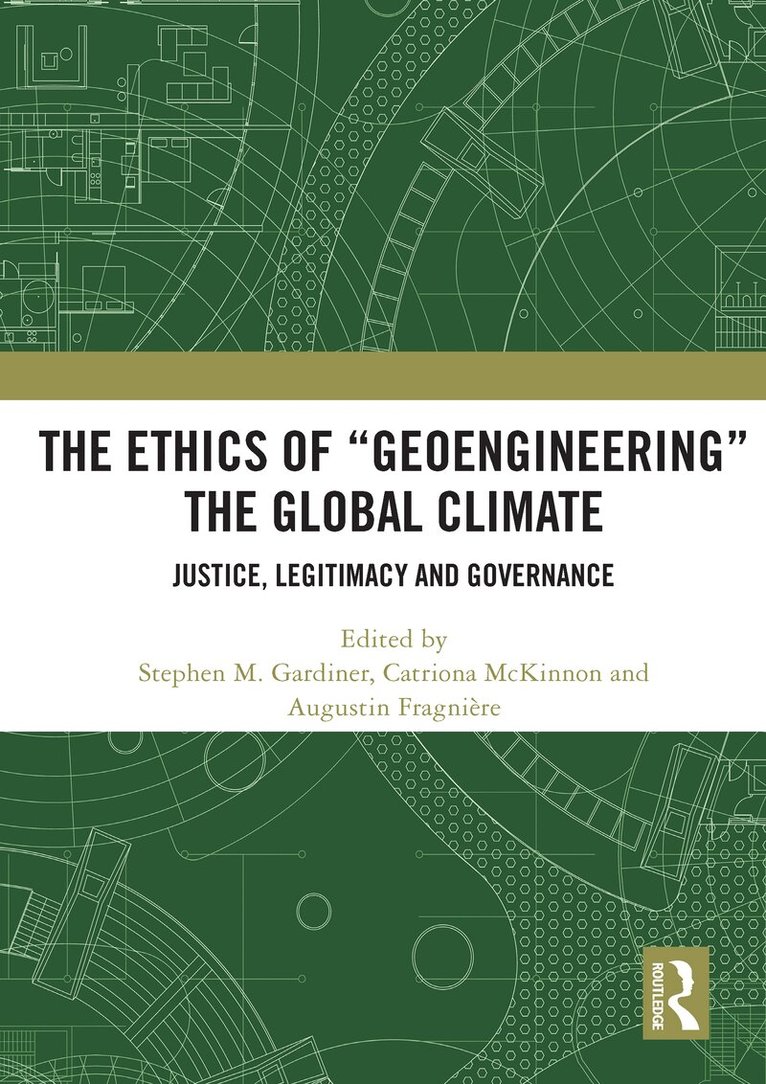
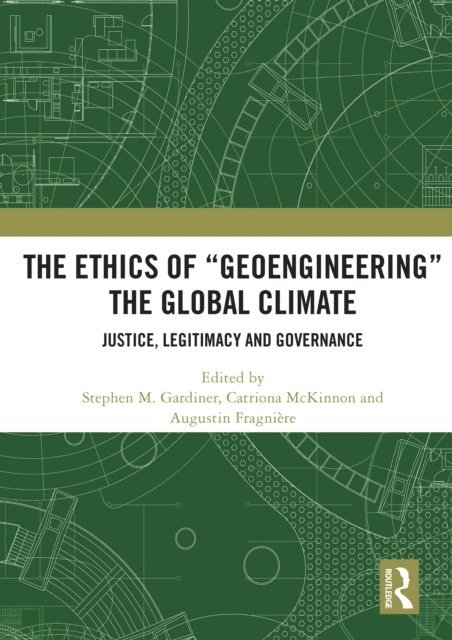
In the face of limited time and escalating impacts, some scientists and politicians are talking about attempting "grand technological interventions" into the Earth’s basic physical and biological systems ("geoengineering") to combat global warming. Early ideas include spraying particles into the stratosphere to block some incoming sunlight, or "enhancing" natural biological systems to withdraw carbon dioxide from the atmosphere at a higher rate. Such technologies are highly speculative and scientific development of them has barely begun.
Nevertheless, it is widely recognized that geoengineering raises critical questions about who will control planetary interventions, and what responsibilities they will have. Central to these questions are issues of justice and political legitimacy. For instance, while some claim that climate risks are so severe that geoengineering must be attempted, others insist that the current global order is so unjust that interventions are highly likely to be illegitimate and exacerbate injustice. Such concerns are rarely discussed in the policy arena in any depth, or with academic rigor. Hence, this book gathers contributions from leading voices and rising stars in political philosophy to respond. It is essential reading for anyone puzzled about how geoengineering might promote or thwart the ends of justice in a dramatically changing world.
The chapters in this book were originally published in the journals: Ethics, Policy & the Environment and Critical Review of International Social and Political Philosophy.
729 kr
Läs direkt efter köp
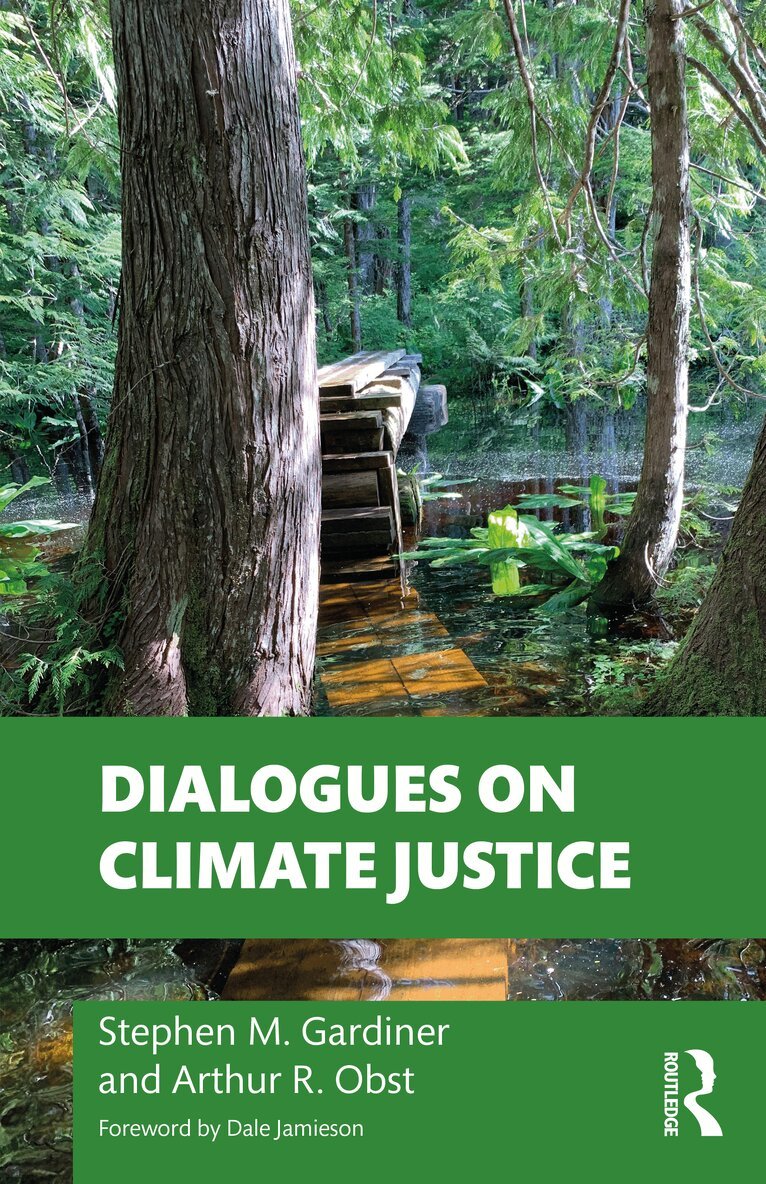
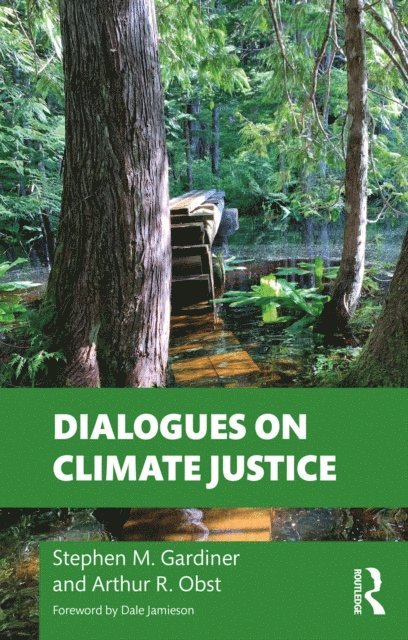
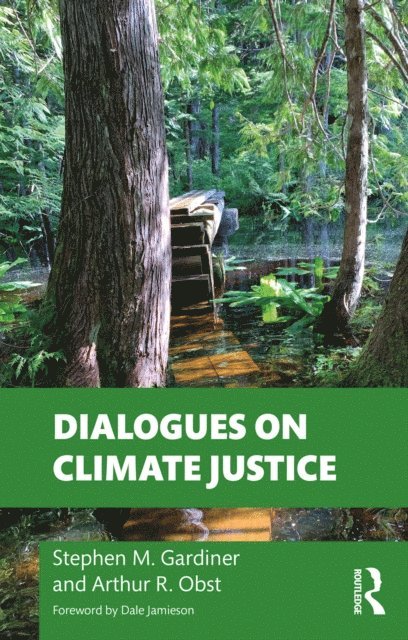
Written both for general readers and college students, Dialogues on Climate Justice provides an engaging philosophical introduction to climate justice, and should be of interest to anyone wanting to think seriously about the climate crisis.
The story follows the life and conversations of Hope, a fictional protagonist whose life is shaped by a terrifyingly real problem: climate change. From the election of Donald Trump in 2016 until the 2060s, the book documents Hope’s discussions with a diverse cast of characters. As she ages, her conversations move from establishing the nature of the problem, to engaging with climate skepticism, to exploring her own climate responsibilities, through managing contentious international negotiations, to considering big technological fixes, and finally, as an older woman, to reflecting with her granddaughter on what one generation owes another. Following a philosophical tradition established by Plato more than two thousand years ago, these dialogues are not only philosophically substantive and carefully argued, but also distinctly human. The differing perspectives on display mirror those involved in real-world climate dialogues going on today.
Key Features:
Written in an engaging dialogue form, which includes characterization, clear exchanges of ideas, and a compelling story arc Clearly organized to allow readers both in-depth consideration and rapid overviews of various topics Memorable examples that enable and encourage discussion inside and outside the classroom An Introduction to the book aimed at instructors, which includes helpful instructions for teaching the book and engaging student assignments745 kr
Läs direkt efter köp
Written both for general readers and college students, Dialogues on Climate Justice provides an engaging philosophical introduction to climate justice, and should be of interest to anyone wanting to think seriously about the climate crisis.
The story follows the life and conversations of Hope, a fictional protagonist whose life is shaped by a terrifyingly real problem: climate change. From the election of Donald Trump in 2016 until the 2060s, the book documents Hope’s discussions with a diverse cast of characters. As she ages, her conversations move from establishing the nature of the problem, to engaging with climate skepticism, to exploring her own climate responsibilities, through managing contentious international negotiations, to considering big technological fixes, and finally, as an older woman, to reflecting with her granddaughter on what one generation owes another. Following a philosophical tradition established by Plato more than two thousand years ago, these dialogues are not only philosophically substantive and carefully argued, but also distinctly human. The differing perspectives on display mirror those involved in real-world climate dialogues going on today.
Key Features:
Written in an engaging dialogue form, which includes characterization, clear exchanges of ideas, and a compelling story arc Clearly organized to allow readers both in-depth consideration and rapid overviews of various topics Memorable examples that enable and encourage discussion inside and outside the classroom An Introduction to the book aimed at instructors, which includes helpful instructions for teaching the book and engaging student assignments