2 601 kr
Skickas inom 10-15 vardagar
2 601 kr
Skickas inom 10-15 vardagar
565 kr
Skickas inom 7-10 vardagar
1 628 kr
Skickas inom 7-10 vardagar
692 kr
Skickas inom 10-15 vardagar
692 kr
Skickas inom 10-15 vardagar
855 kr
Läs direkt efter köp
877 kr
Läs direkt efter köp
743 kr
Skickas inom 10-15 vardagar
2 114 kr
Skickas inom 10-15 vardagar
814 kr
Läs direkt efter köp
Posthumanism represents a significant new research direction both for International Relations and the social sciences. It emerges from questions about inter-species relations which challenge dominant perceptions of what it means to be human. Rather than seeing the human species as ‘in nature’ posthumanist thinking considers the species as ‘of nature’. The work of posthumanist thinkers has sought to dispute accepted notions of what it means to be human, raising profound questions about our relations with the rest of nature. The volume commences with an overview of the influence thinkers have had on the development of posthumanist thinking.
Key ideas in International Relations are interrogated and reconceptualised and specific case studies are presented with a focus on inter-species relations. The work allows for a consideration of the limits of the posthumanist move and provides space for critics to argue that such an approach opens the discipline up to a biological determinism, and that a focus on inter-human relations should mark the boundaries of the discipline. The essays collected in this volume provide an overview of contributions from posthumanist thinkers with the particular intention of providing a succinct introduction to the area and should appeal to scholars and students in Politics, IR and philosophy.
808 kr
Läs direkt efter köp
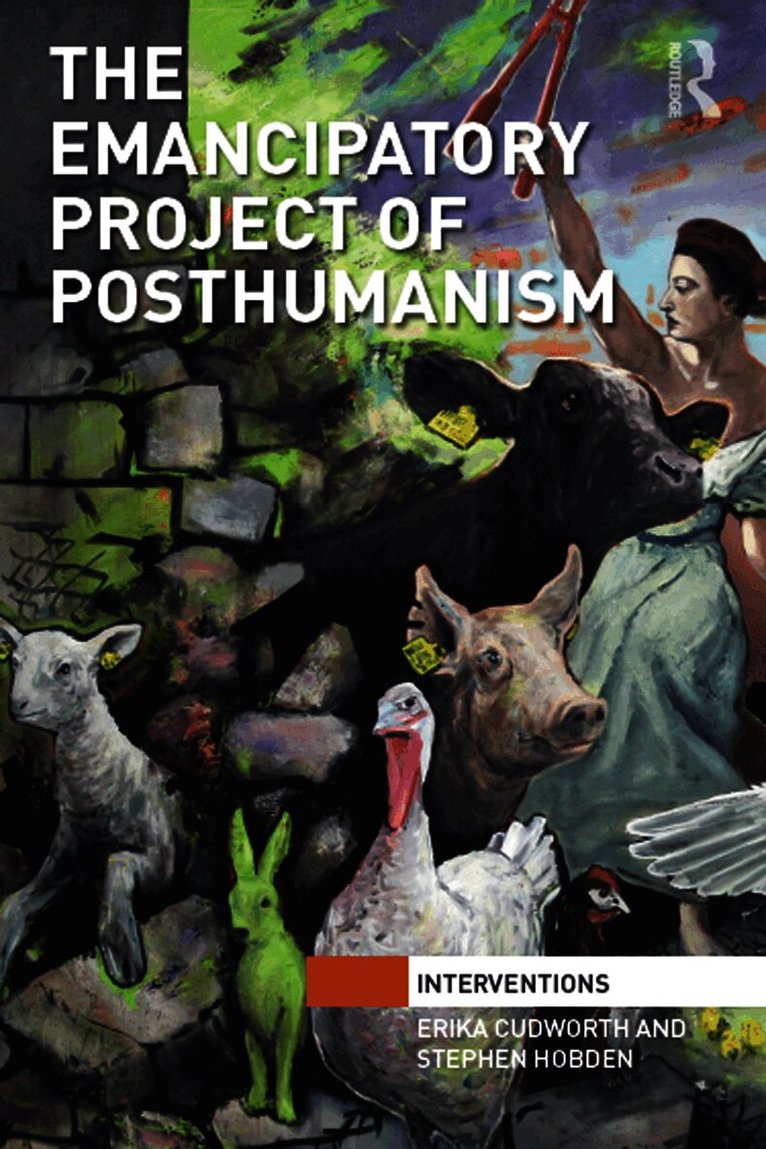
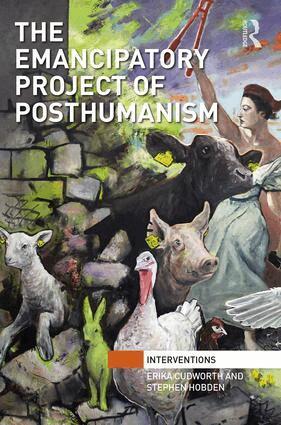
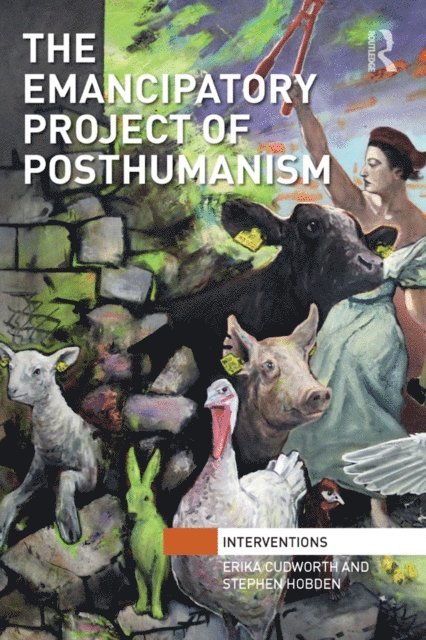
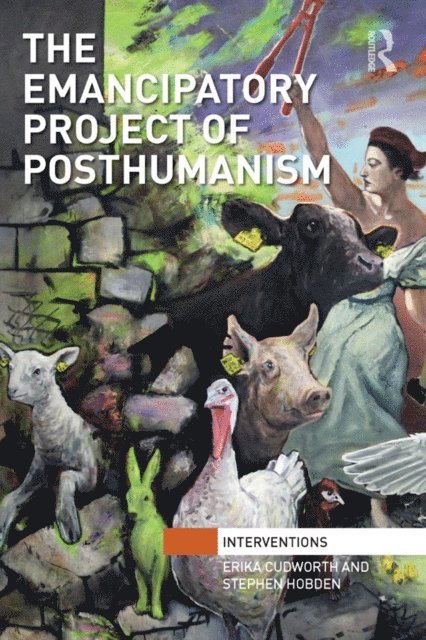
This is the first book to make the argument for an emancipatory project from within a posthuman framework. Responding to critics, Cudworth and Hobden argue that while some posthumanisms may be less critical, it is possible to develop a political programme from a posthuman perspective.
Cudworth and Hobden develop such issues by addressing the following questions: How have ideas about emancipation been developed, and does the notion of emancipation still hold relevance for the contemporary world order? Is it possible to have a non-Utopian form of emancipation? What are the implications of differing posthuman/new materialist viewpoints for an emancipatory project? In a world typified by complexity, how is it possible to pursue political projects? The chapters consider various interpretations of the term ‘emancipation’, looking at work that has appeared within the posthumanist framework such as Bruno Latour, William Connolly, and Jane Bennett.
The authors develop their own account of posthumanism, demonstrating how it avoids the problems that have been found within this framework, and considering the possibilities for emancipatory projects and public policy. It will be of great interest to postgraduates and scholars of International Relations, Political Theory, Environmental Studies, and Sociology.
2 515 kr
Skickas inom 10-15 vardagar
1 218 kr
Skickas inom 7-10 vardagar