653 kr
Skickas inom 10-15 vardagar
653 kr
Skickas inom 10-15 vardagar
802 kr
Skickas inom 10-15 vardagar
2 534 kr
Skickas inom 10-15 vardagar
2 914 kr
Skickas inom 10-15 vardagar
936 kr
Läs direkt efter köp
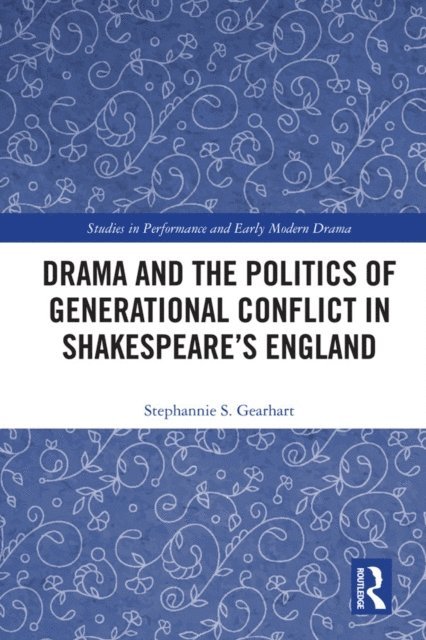
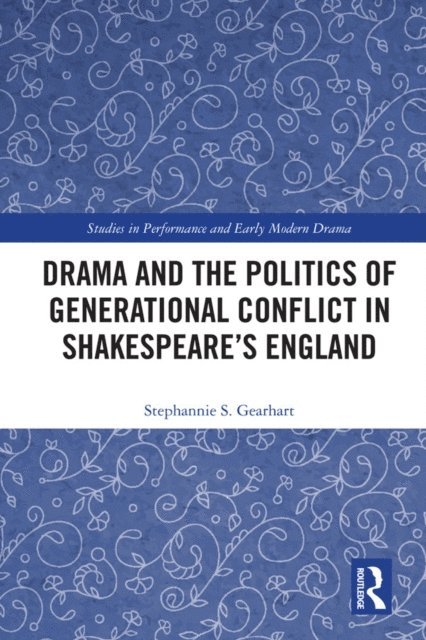
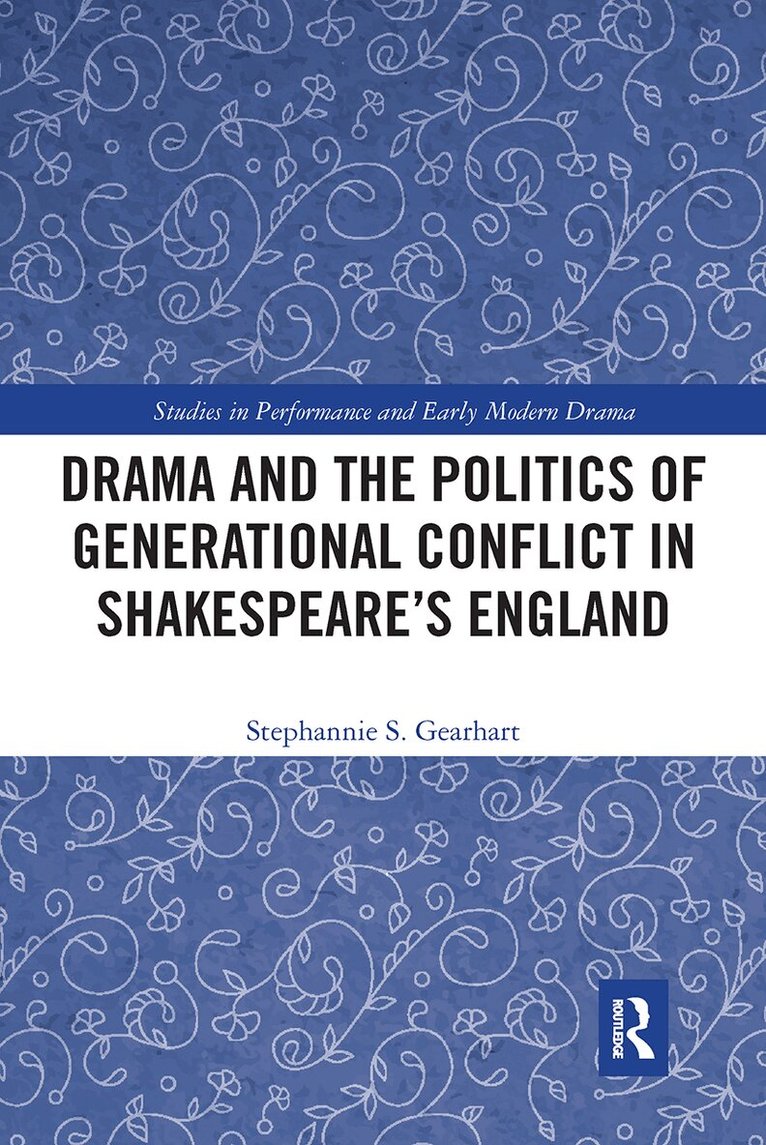
Drama and the Politics of Generational Conflict in Shakespeare’s England examines the intersection between art and culture and explains how ideas about age circulated in early modern England. Stephannie Gearhart illustrates how a variety of texts – including drama by Shakespeare, Jonson, and Middleton – placed elders’ and youths’ voices in dialogue with one another to construct the period’s ideology of age and shape elder-youth relations.
741 kr
Läs direkt efter köp
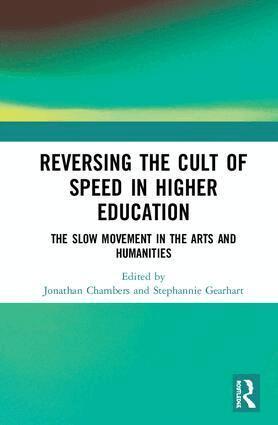
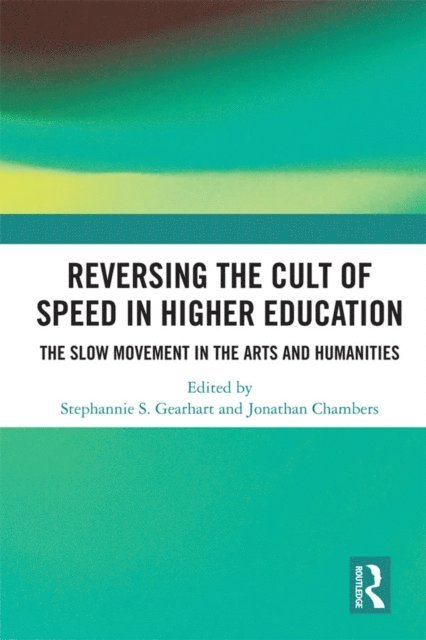
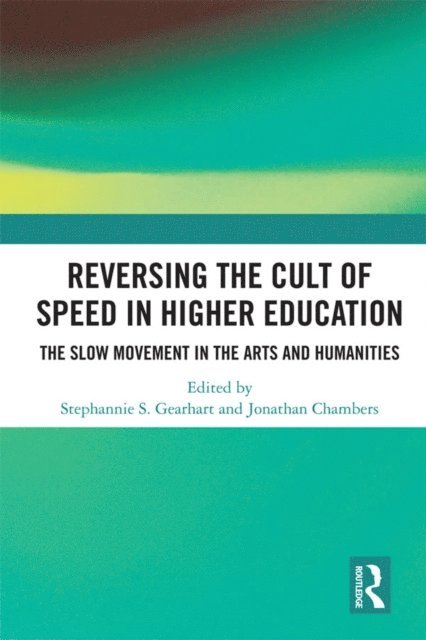
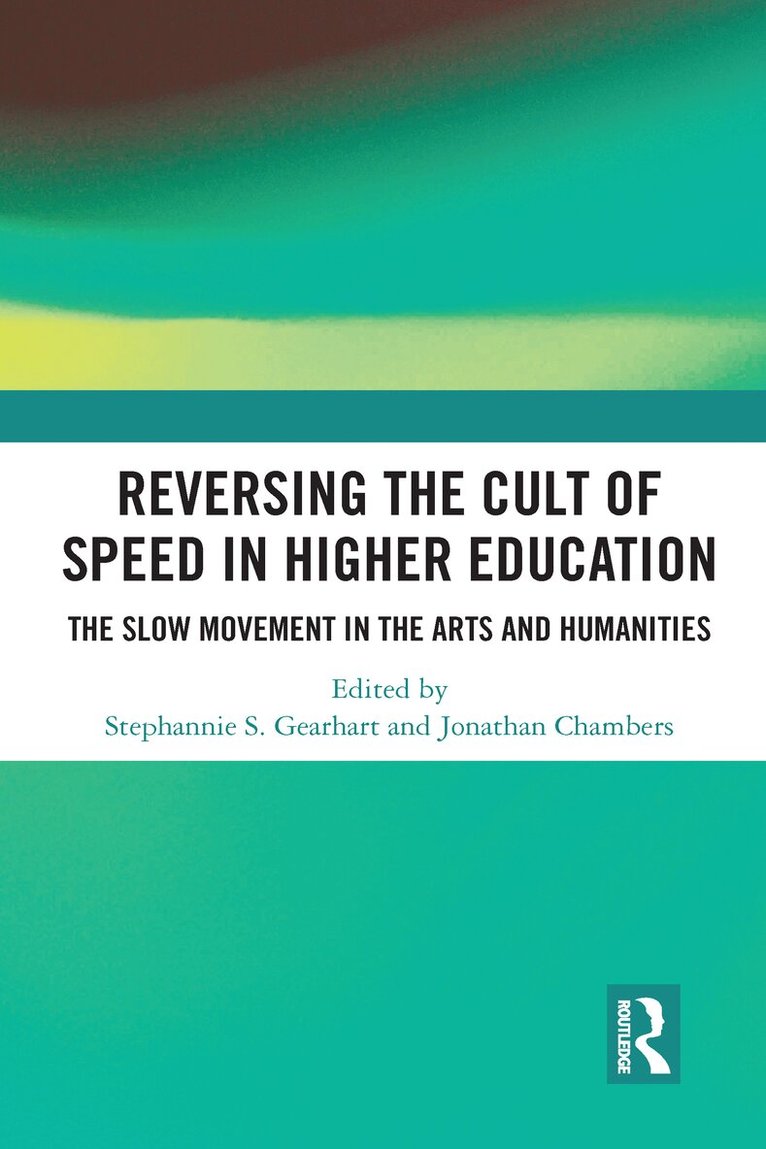
A collection of essays written by arts and humanities scholars across disciplines, this book argues that higher education has been compromised by its uncritical acceptance of our culture’s standards of productivity, busyness, and speed. Inspired by the Slow Movement, contributors explain how and why university culture has come to value productivity over contemplation and rapidity over slowness. Chapter authors argue that the arts and humanities offer a cogent critique of fast culture in higher education, and reframe the discussion of the value of their fields by emphasizing the dialectic between speed and slowness.
741 kr
Läs direkt efter köp
A collection of essays written by arts and humanities scholars across disciplines, this book argues that higher education has been compromised by its uncritical acceptance of our culture’s standards of productivity, busyness, and speed. Inspired by the Slow Movement, contributors explain how and why university culture has come to value productivity over contemplation and rapidity over slowness. Chapter authors argue that the arts and humanities offer a cogent critique of fast culture in higher education, and reframe the discussion of the value of their fields by emphasizing the dialectic between speed and slowness.