2 455 kr
Skickas inom 10-15 vardagar
2 455 kr
Skickas inom 10-15 vardagar
519 kr
Skickas inom 10-15 vardagar
2 455 kr
Skickas inom 10-15 vardagar
533 kr
Skickas inom 10-15 vardagar
619 kr
Läs direkt efter köp
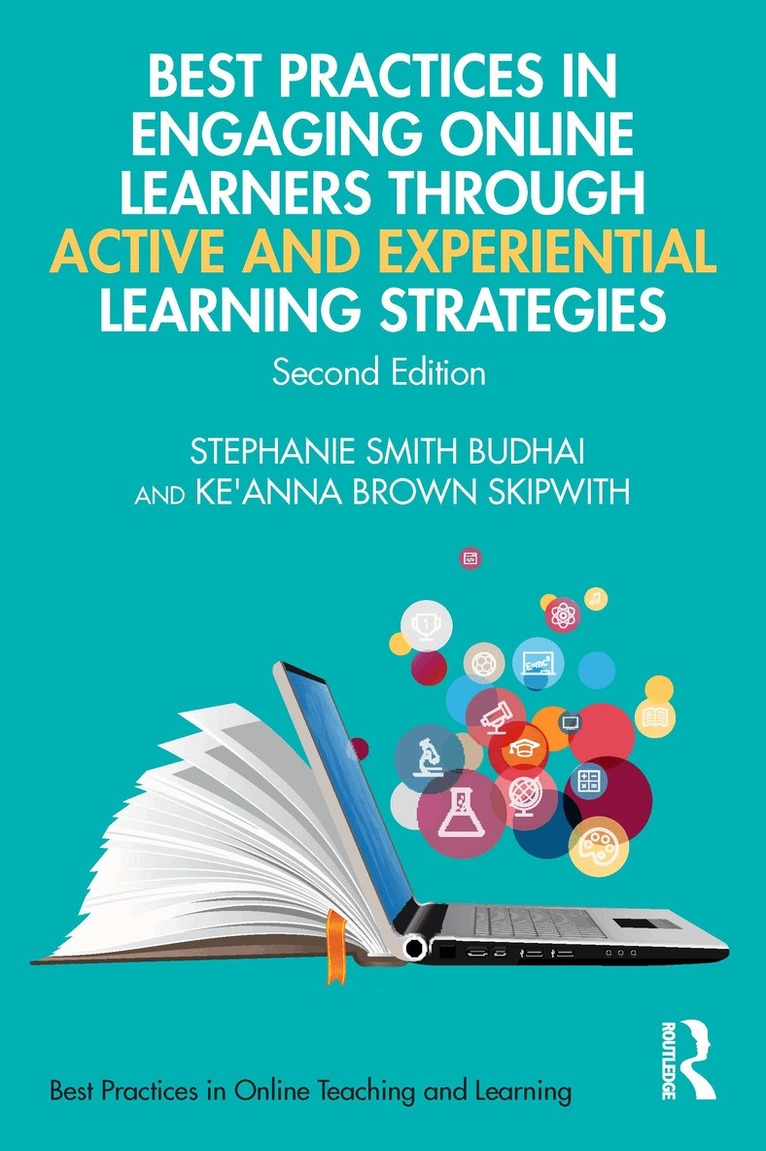
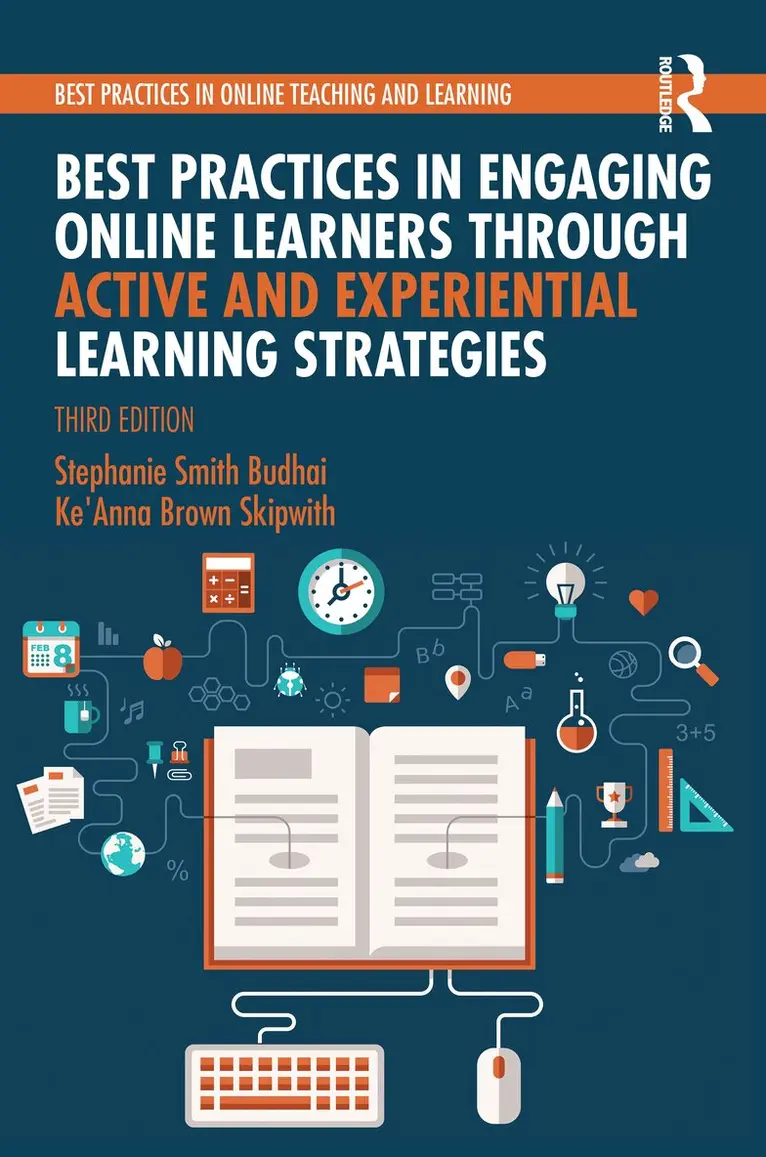
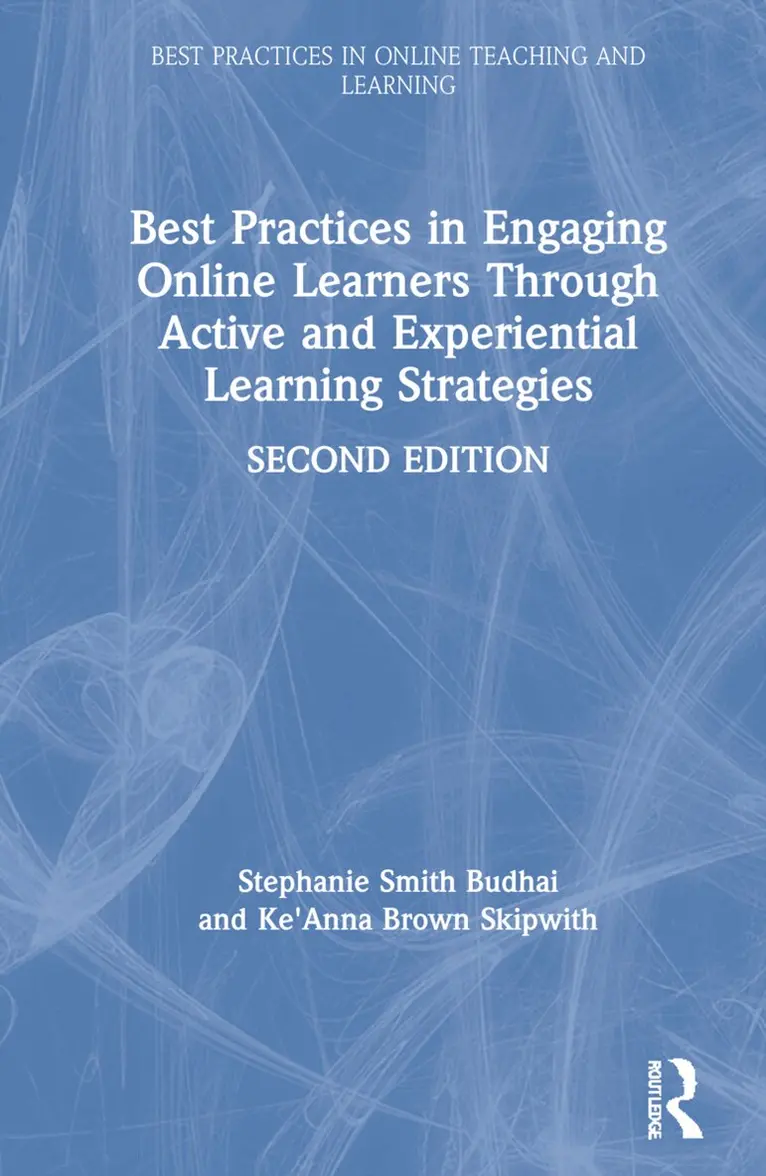
Best Practices in Engaging Online Learners Through Active and Experiential Learning Strategies, Second Edition, is a practical guide for all instructors, instructional designers, and online learning administrators designing, developing, teaching, and leading online, hybrid and blended learning courses and programs, who seek to provide supportive, engaging, and interactive learner experiences. This book explores the integration of active and experiential learning approaches and activities including simulations, gamification, social media integration, project-based learning, scenario-based learning, virtual tours, and online micro-credentialing as they relate to the development of authentic skill-building, communication, problem-solving, and critical-thinking in learners. New and emerging learning technologies of virtual and augmented reality along with artificial intelligence are included in this updated edition with examples of how instructors can actively use them in online courses to engage learners in experiential experiences. Readers will find guidelines for the development of participatory and peer-learning, competency-based learning, field-based experiences, clinical experiences, and service-learning opportunities in the online classroom. In addition, the authors provide effective learning strategies, discipline-specific examples, templates, and additional resources that align learner engagement with assessment practices and course outcomes.
602 kr
Läs direkt efter köp
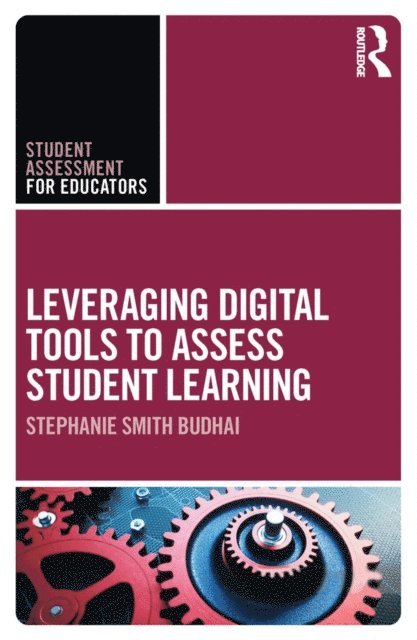
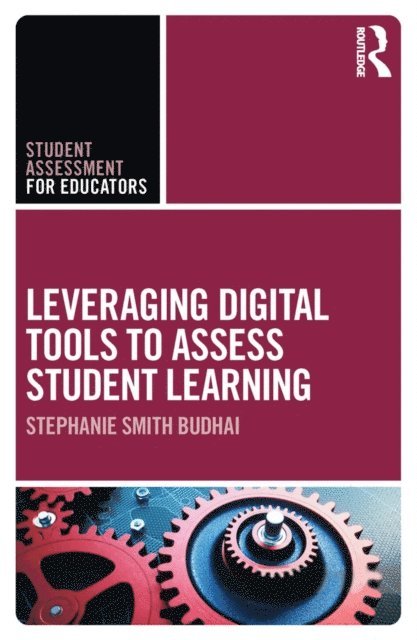
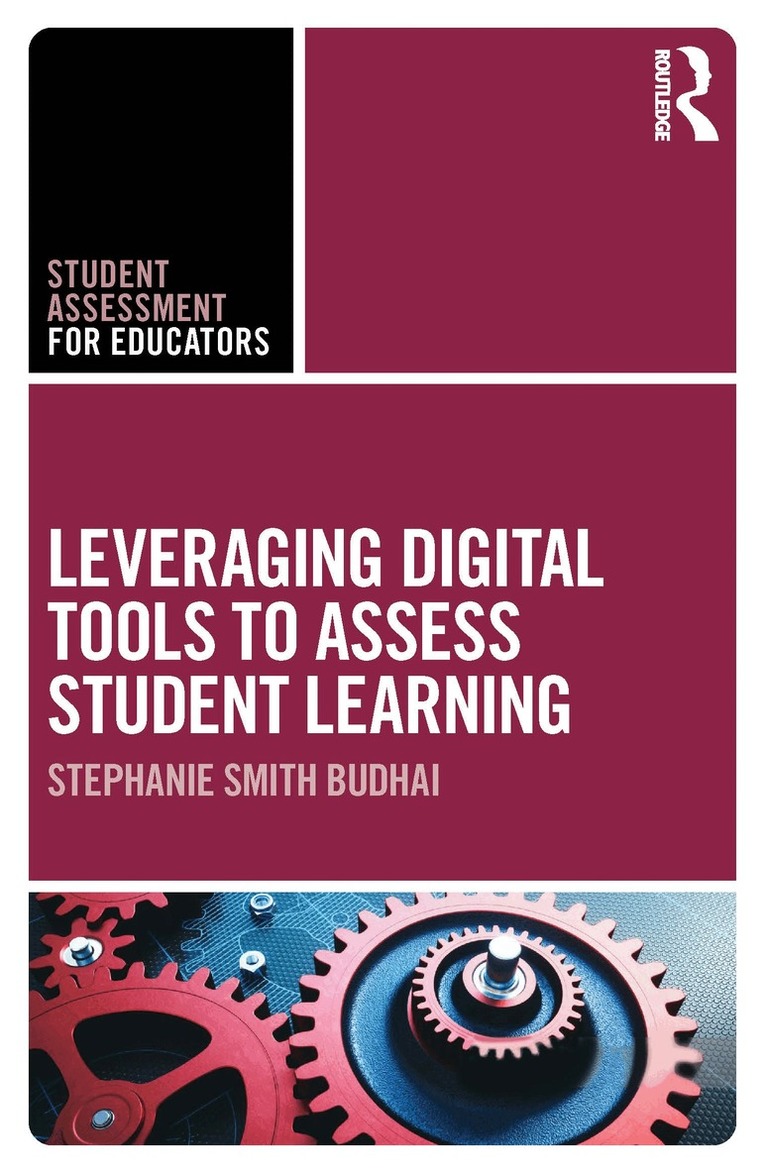
Leveraging Digital Tools to Assess Student Learning provides a practical approach to using technology to collect, interpret, and curate assessment data in K-12 in-person, online, hybrid, and dual learning environments. Digital media, emerging learning technologies, and handheld devices play larger roles than ever in students’ 21st-century educational experiences. Digital tools, meanwhile, can also transform assessment practices for teachers, allowing more efficient means of identifying gaps and modifying instruction to maximize student learning. Situating assessment practices in today’s networked, flexible, and virtual classrooms, this book reframes polling and quizzing, social media and memes, and multimedia platforms as digital learning tools for engaging, interactive, and meaningful formative, summative, open-ended, peer and self-paced assessments. The final chapter discusses technology’s role in organizing, evaluating, and disseminating assessment data to students, their families, and administrators.
602 kr
Läs direkt efter köp
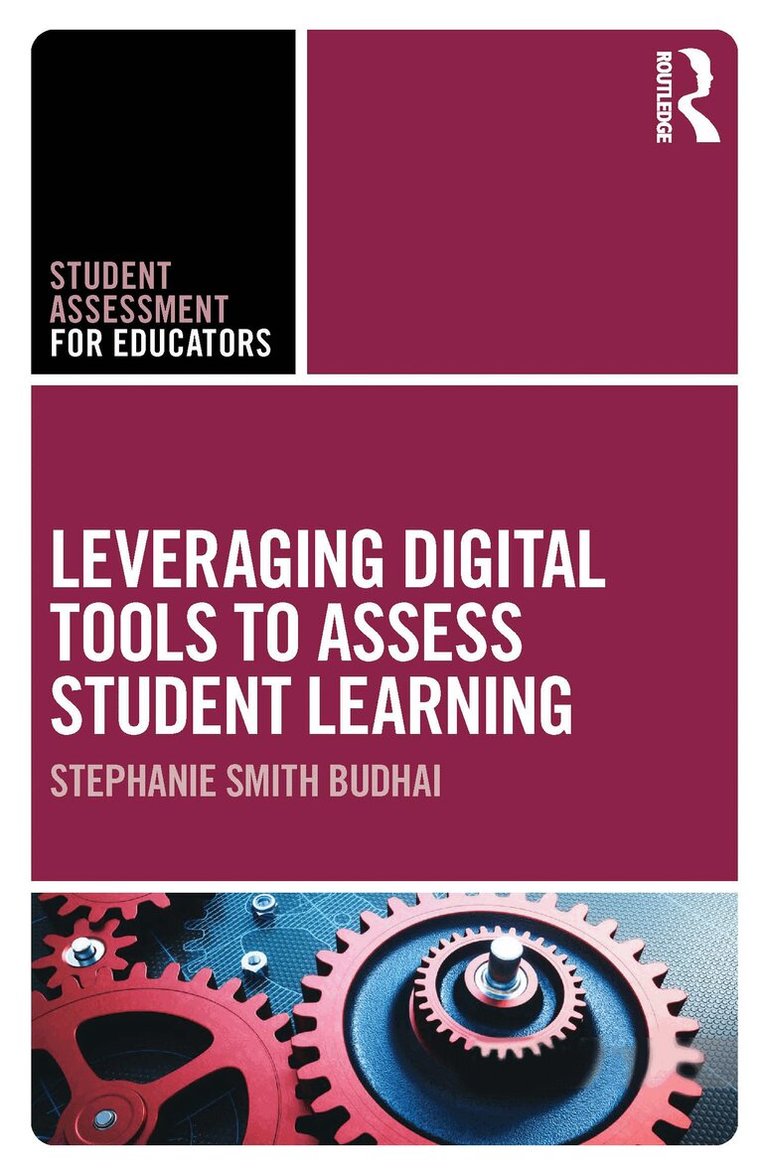
Leveraging Digital Tools to Assess Student Learning provides a practical approach to using technology to collect, interpret, and curate assessment data in K-12 in-person, online, hybrid, and dual learning environments. Digital media, emerging learning technologies, and handheld devices play larger roles than ever in students’ 21st-century educational experiences. Digital tools, meanwhile, can also transform assessment practices for teachers, allowing more efficient means of identifying gaps and modifying instruction to maximize student learning. Situating assessment practices in today’s networked, flexible, and virtual classrooms, this book reframes polling and quizzing, social media and memes, and multimedia platforms as digital learning tools for engaging, interactive, and meaningful formative, summative, open-ended, peer and self-paced assessments. The final chapter discusses technology’s role in organizing, evaluating, and disseminating assessment data to students, their families, and administrators.
2 421 kr
Kommande
566 kr
Kommande
423 kr
Skickas
175 kr
Skickas inom 7-10 vardagar
390 kr
Skickas inom 7-10 vardagar
347 kr
Skickas inom 7-10 vardagar